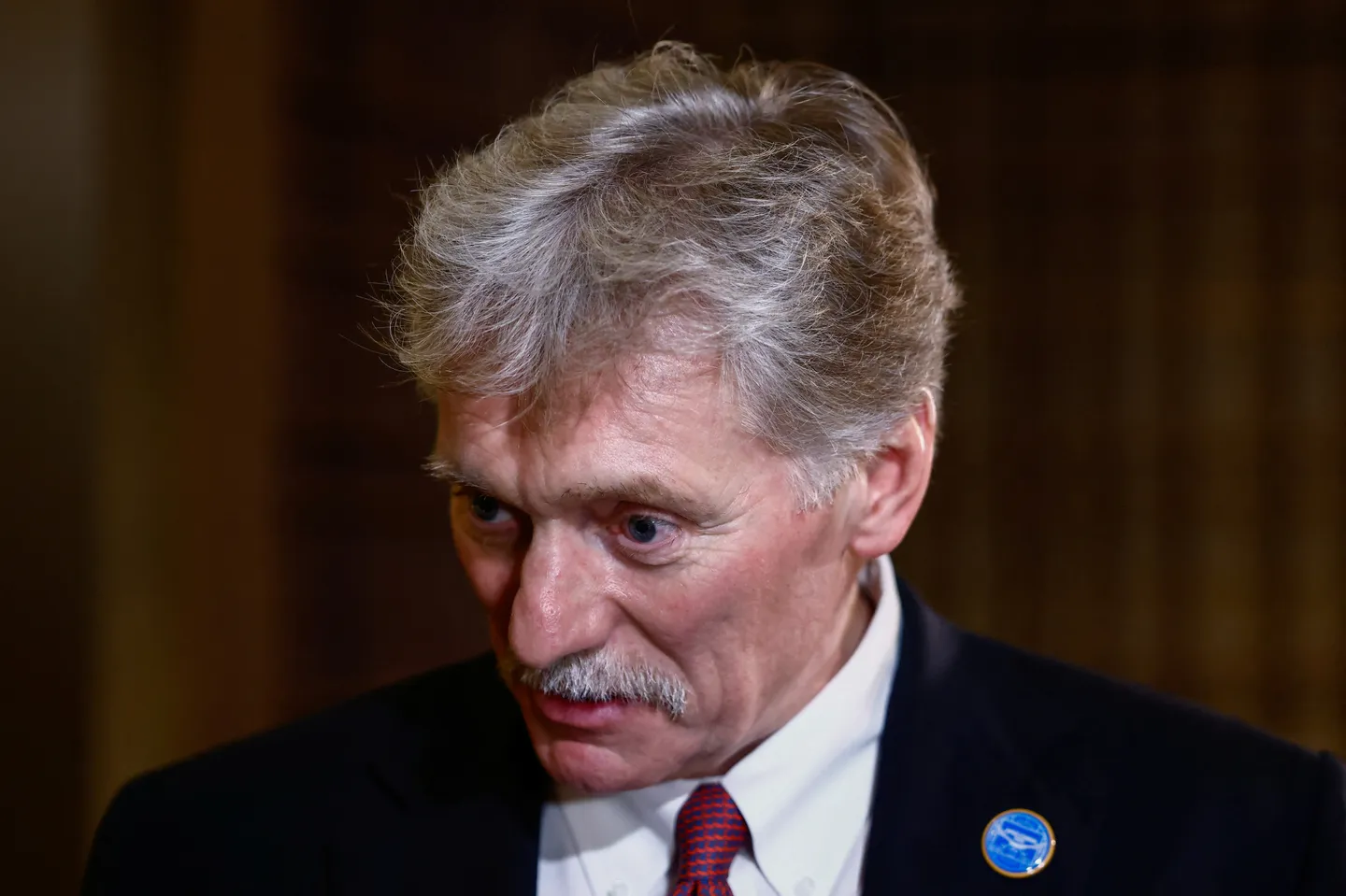
Kremlin spokesperson Dmitry Peskov has described Ukraine's operation against a Russian naval ship off the coast of Libya, as well as Kiev's attacks on Russian cargo vessels in the Baltic Sea, as a "very dangerous trend."
Commenting at a press briefing on Monday in Moscow on Ukrainian President Volodymyr Zelenskyy's announcement that Ukrainian forces sank the Russian corvette Merkury off the Libyan coast, Peskov said the Kremlin had taken note of his statement.
"The defence ministry is dealing with this matter, and information will also be provided through the defence Ministry if deemed appropriate," he said.
Peskov added that Russia continued its military operation in Ukraine in response to attacks.
"Our military personnel continue to carry out large-scale, comprehensive strikes on military infrastructure in Ukraine on a daily basis. This practice has very painful consequences for the Kiev regime," he said, adding that Russia would continue this course in line with recent statements by President Vladimir Putin.
Zelenskyy said on US social media platform X that Ukrainian naval drones had sunk the Merkury and struck a cargo ship, and that a military helicopter was also destroyed.
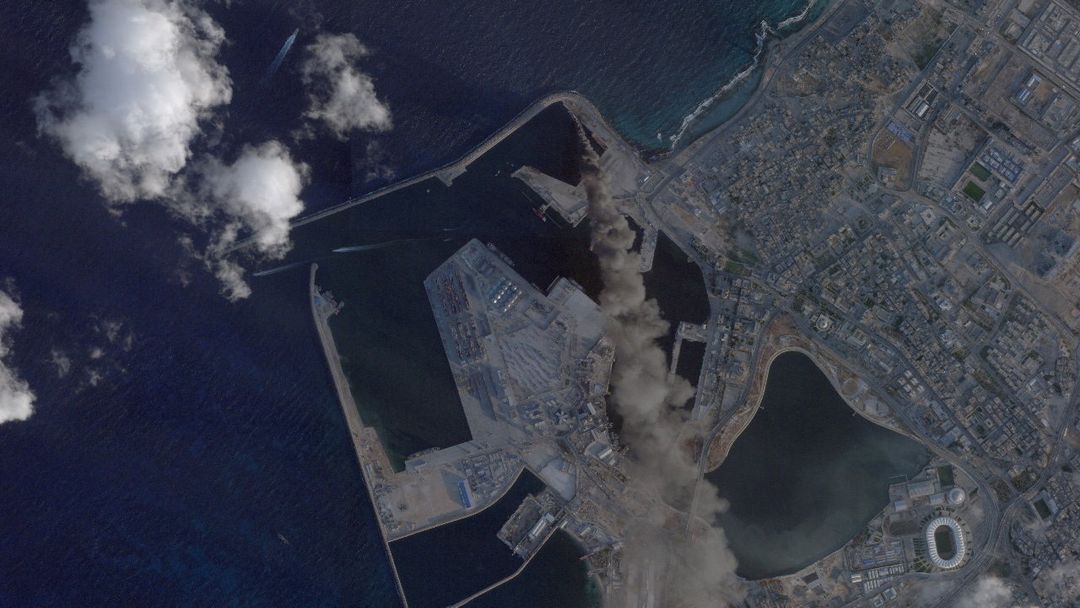
The corvette was previously reported to have been struck in a suspected sea drone attack while docked at the port of Benghazi in eastern Libya.
Local authorities said the attack had caused an explosion and fire, severely damaging the vessel and injuring at least 10 Russian and Libyan crew members.
Libya's eastern-based administration said the ship had stopped for refuelling and supplies while returning to Russia, adding that a joint investigation with Moscow had been launched.
Fears of regional escalation
The UN mission in Libya has also expressed "serious concern" over the attacks, calling for "an immediate, independent and transparent investigation".
"Libya cannot afford, and must not become a battleground for foreign conflicts," the UNSMIL wrote on X.
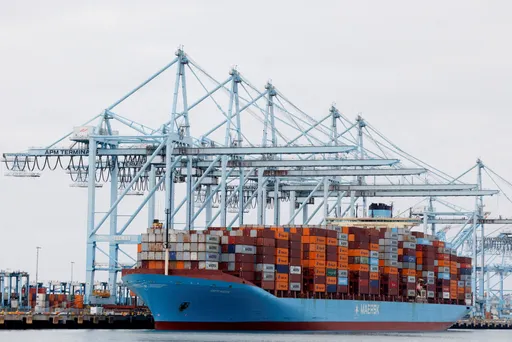
Meanwhile, Germany has also warned against an escalation in the Baltic Sea region after an alleged Ukrainian drone strike on a Russian cargo ship in the Gulf of Finland.
“We are also monitoring the attacks on Russian ships in the Gulf of Finland in the Baltic Sea. There, too, we are seeing an increase in military activity. We have no interest in seeing an escalation in the Baltic Sea region. Stability and security in this region are of the utmost importance to us,” government spokesperson Stefan Kornelius told a press briefing in Berlin.
Asked whether the German side had told the Ukrainians that they shouldn’t allow the conflict to spread geographically, Kornelius said: “We’ve expressed our concern about stability, and we want to leave it at that.”
Moscow to assess Europe's readiness for peace
Asked about a new round of talks on the Ukrainian settlement with the participation of the EU representatives, Peskov said Russia intends to initiate contacts with European countries to determine whether they are prepared to contribute to peace in Ukraine rather than prolong the conflict.
"We intend to initiate communication with the Europeans to understand how ready they are to contribute to peace efforts and to what extent their position corresponds to the objective of establishing a track for a peaceful settlement," he noted.
The official added that Moscow wanted to determine whether the so-called "Coalition of the Willing" was a coalition seeking peace or one seeking to continue the war.
Turning to the situation in the Ukrainian city of Kostiantynivka, Peskov said Moscow's position on a proposed joint humanitarian operation had not changed, adding that Russia had received no response from Kiev.
He said the initiative remained relevant, claiming that statements by Zelenskyy and other Ukrainian officials suggested Kiev was unwilling to pursue such an arrangement.
Peskov argued that Russian forces were continuing efforts to help evacuate civilians from the area.
Regarding the frozen Russian assets and their potential use in Europe, he said both the immobilisation of the funds and the use of income generated by them are illegal.
"We will use all legal means available to defend our rights," he said.
Peskov added that Moscow was aware that the managing organisation, Euroclear, considered the seizure of the frozen Russian funds by European countries legally impossible.
The official also praised Belgian Prime Minister Bart De Wever for "a firm and balanced position," noting his warnings about the potential legal consequences for those involved in decisions to confiscate and use the assets.
"If this ever happens, we will pursue all those involved in accordance with the law," he said.
Asked about German media reports claiming that Russia was preparing to launch a satellite carrying a nuclear weapon into orbit before the end of the year, Peskov said he was unaware of them.
"We have not seen these reports," he said.
Several German media outlets had previously reported, citing Western intelligence and military assessments, that Russia was preparing to launch a satellite dubbed Sputnik-S carrying a nuclear weapon. The spacecraft had allegedly already been assembled and was being stored in Russia, according to the reports.
Addressing the issue of Russia-China economic cooperation, Peskov said energy cooperation remained a regular item on the agenda of the two countries, although the sector had become particularly sensitive.
"We are constantly working with our Chinese friends to expand this cooperation," he said.