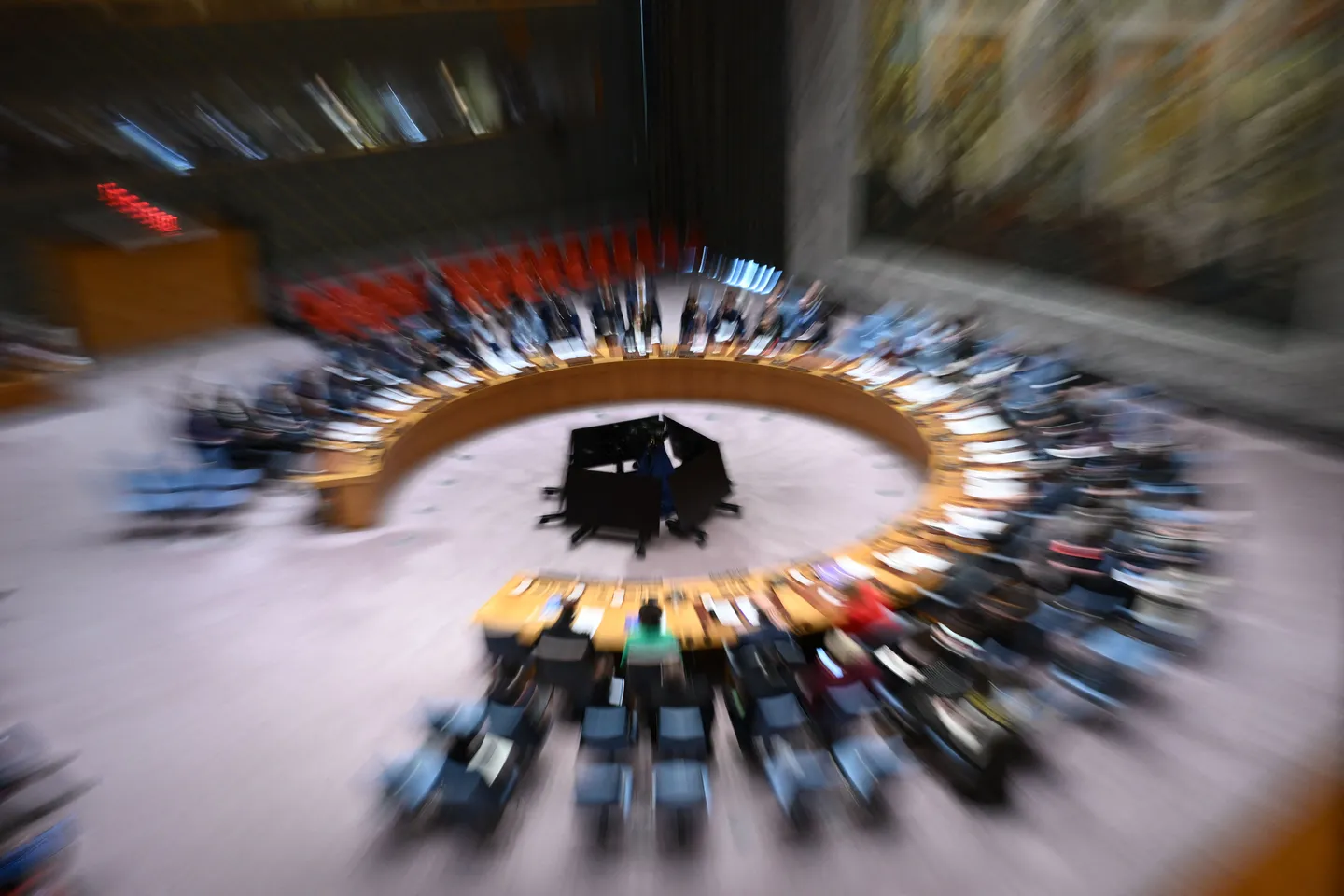
Russia and Ukraine have traded accusations at the UN Security Council over escalating attacks on Black Sea shipping and energy infrastructure as Moscow ruled out reviving a grain deal.
"I dwelt on this in detail to ensure that nobody here has any doubt about the fact that we will not accept any new grain deal, which in practice is nothing other than a scheme of Ukrainian food in exchange for Western weapons," Russia's representative told a UN Security Council briefing on Ukraine's energy infrastructure and Black Sea shipping on Monday.
The envoy said that under the previous grain arrangement, countries in need received only 3 percent of exported grain while up to 70 percent of Ukrainian agricultural products entered EU and Western markets.
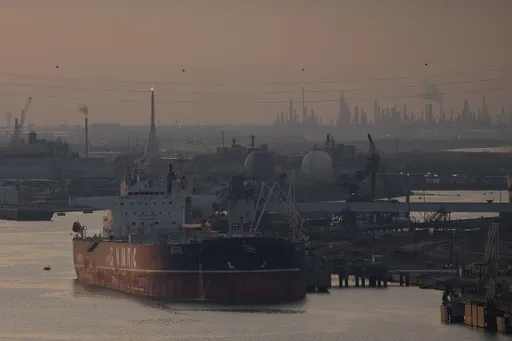
Accusing Ukrainian President Volodymyr Zelenskyy and the Ukrainian Armed Forces of "opening Pandora's box," Moscow said the Ukrainian military had targeted more than 200 commercial vessels across the Black, Azov, Caspian, Baltic and Mediterranean seas since July, killing or wounding 12 seafarers.
Defending its military campaign, Russia maintained that it strikes only military-logistical vessels and dual-purpose facilities, dismissing Western calls for an energy and maritime truce as a pretext to arm Ukraine while restricting Russian exports.
The envoy asserted that Russia supplies food to 160 countries as "one of the chief guarantors for global food security" and said it stands "ready to facilitate the replenishment of the possible grain deficit.”
Ukraine blames Russia
Ukraine's representative accused Russia of targeting civilian power grids since mid-July, damaging virtually every power plant nationwide alongside more than 800 units of energy equipment.
"Since mid-July, not a single day has passed without a Russian attack on Ukraine's energy system," he said.
November barrages shut down three thermal plants and plunged more than 850,000 people into darkness, the envoy said.
Ukraine noted that while the Zaporizhzhia Nuclear Power Plant lost off-site power for the 28th time, it receives far less attention than its implications for international peace and security, prompting calls for its urgent return to Kiev's control.
The Ukraine Energy Support Fund raised more than $2.6 billion from 41 donors, "but as we approach winter, air defence is our top priority. We need more Patriot systems, in particular PAC-3 interceptors," the envoy stressed.
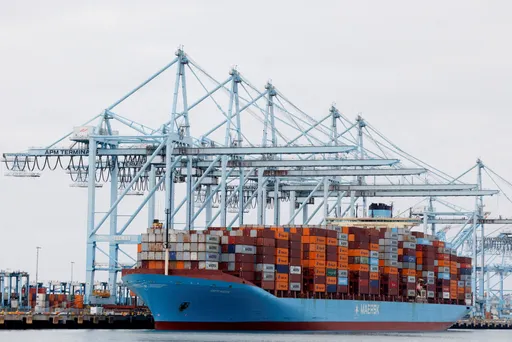
On maritime security, Kiev reported 89 attacks on civilian vessels between June and August, up from 25 in all of 2025.
Accusing Russia of looting grain via a "shadow grain fleet," the envoy said that "grain stolen from Ukrainian land must be seized, not bought."
Addressing the council, the US representative urged Russia and Ukraine to immediately stop striking energy grids, civilian ports, food distribution sites and commercial shipping.
"Food distribution sites must not be hit. Colleagues, the best way to protect food supplies on the Black Sea is for the war to end," the US envoy said, warning that ongoing attacks sink grain and fertiliser while endangering merchant sailors.
Finger-pointing
Washington highlighted progress with Kiev and European partners on four pillars: security guarantees, an EU membership path, a post-war prosperity plan, and post-settlement security arrangements, aimed at building on recent talks in Abu Dhabi toward a lasting peace.
At the close of the session, Russia's representative accused Kiev of "criminally expanding the scope and geography" of maritime attacks after two logistics vessels and an accompanying military boat were struck off the coast of Libya over the weekend.
Citing Zelenskyy's public acknowledgement of the strike alongside an earlier Mediterranean attack on the Arctic Metagaz carrier, the Russian envoy argued that the strikes proved the "terrorist nature of the Kiev regime".
Responding immediately before adjournment, Ukraine's representative dismissed Moscow's allegations as a "distortion and finger-pointing", declaring that "Russia chose to invade Ukraine. Russia continues its aggression, and Russia bears full responsibility for this war," before urging Moscow to withdraw its forces.