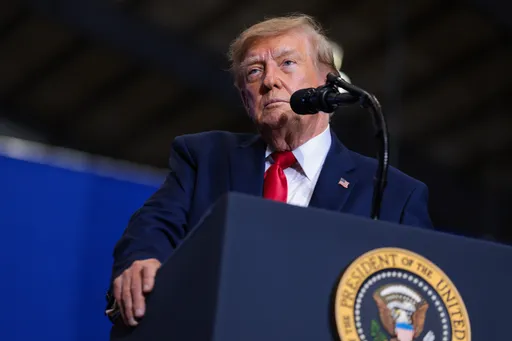
Japan's Prime Minister Sanae Takaichi will nominate US President Donald Trump for the Nobel Peace Prize, the White House said on Tuesday.
Trump has become increasingly focused on the Nobel since his return to power in January, saying that he has ended several conflicts around the world.
Trump was earlier nominated for the prize by several countries, including Pakistan, Azerbaijan and Cambodia.
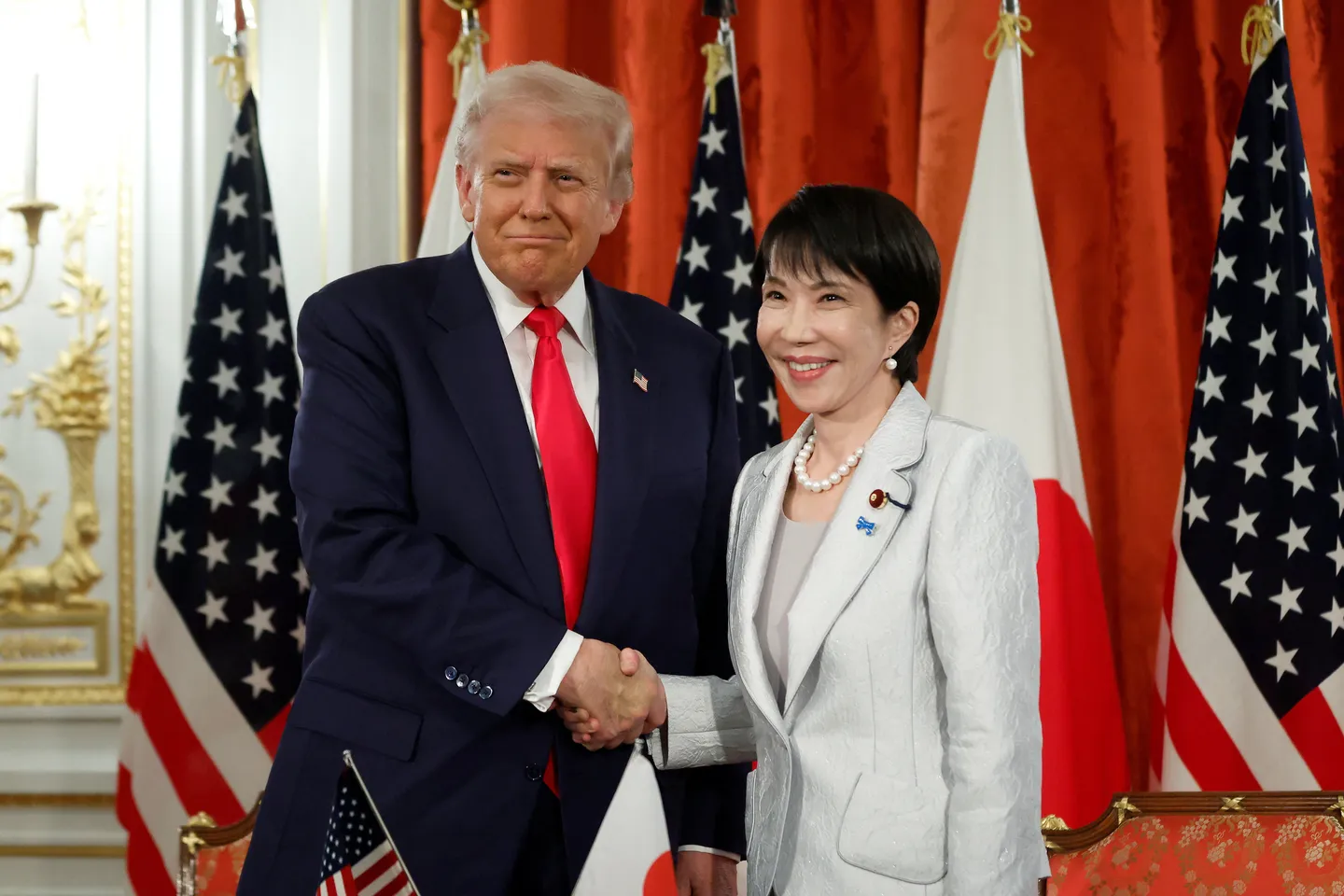
Takaichi met Trump on Tuesday morning in Tokyo, where they discussed economic and security matters.
"In such a short period of time, the world started to enjoy more peace," Takaichi told reporters on Tuesday.
"I myself was so impressed and inspired by you, Mr President," Takaichi added.
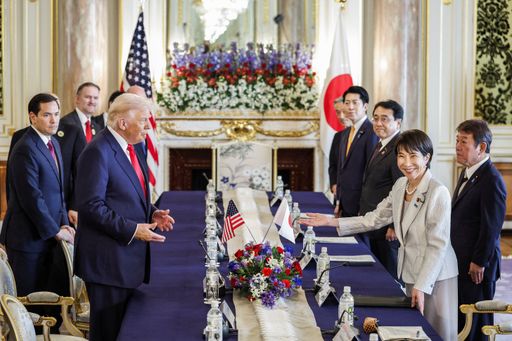
Bilateral ties to reach ‘unprecedented strength’ — Trump
Meanwhile, Trump stated on Tuesday that US-Japan relations will reach unprecedented strength after meeting with Takaichi in Tokyo.


"I have always had a great love of Japan and a great respect of Japan, and I will say that this will be a relationship that will be stronger than ever before," Trump said.
He pledged unwavering support to Tokyo, telling Takaichi the US will be there for "any question, any doubt, anything you want, any favours you need,” describing the two nations as allies "at the strongest level."
Trump also acknowledged that Japan is increasing its military capacity "very substantially," noting Washington has received "orders for a very large amount of new military equipment."
He said bilateral trade has reached historical levels as the two nations prepare to sign a new deal that is "very fair."
"I'd also like to congratulate you on being the first woman prime minister. That's a big deal," he said.
Takaichi said Tokyo “would like to realise a new golden age of the Japan-US alliance, where both Japan and the United States will become stronger and also more prosperous.”
The two countries “have developed the greatest alliance in the world, and together with you, Japan is ready to contribute towards peace and stability,” she added.
She also reiterated her stance on resorting to diplomacy “to protect Japan's own national interests” as well as expressing a readiness to advance further cooperation with Washington toward their “shared goal of achieving a free and open Indo-Pacific.”