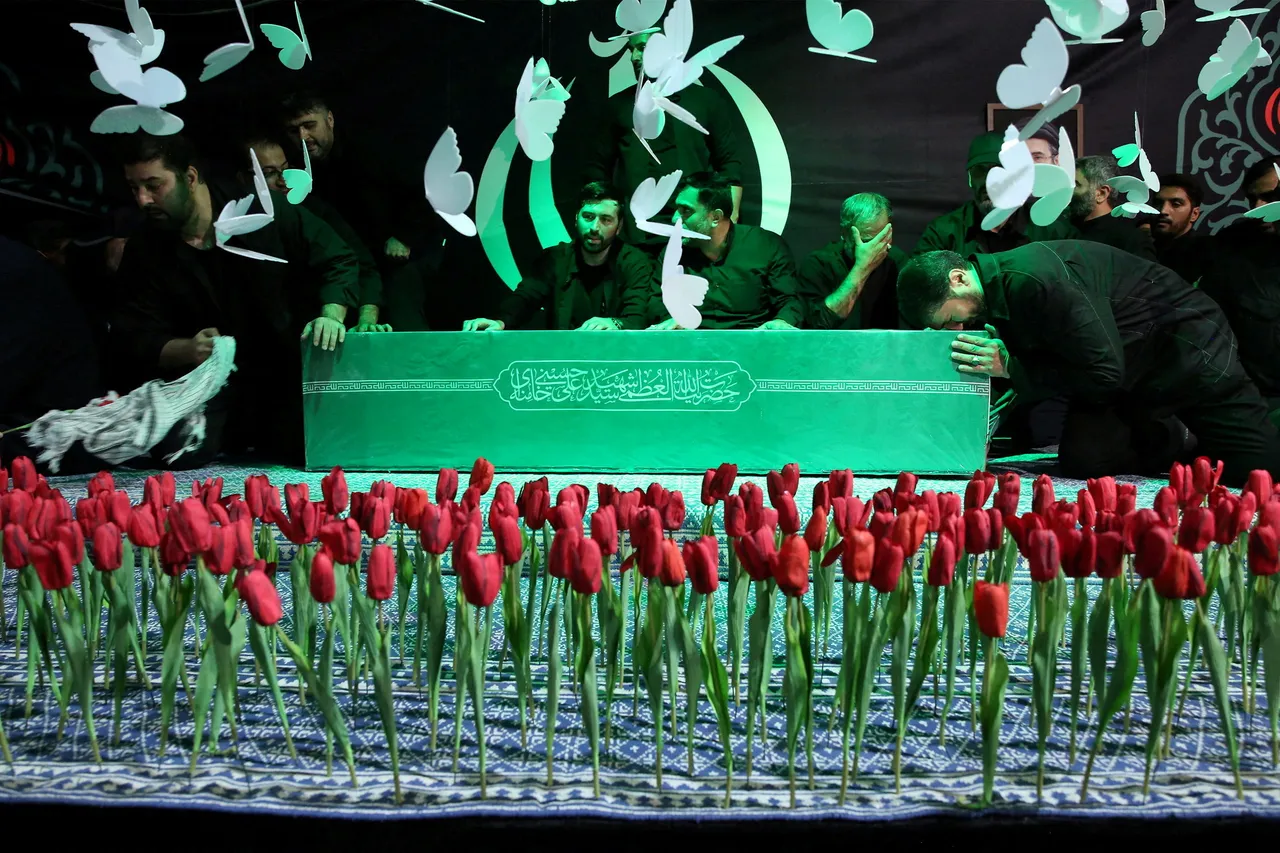
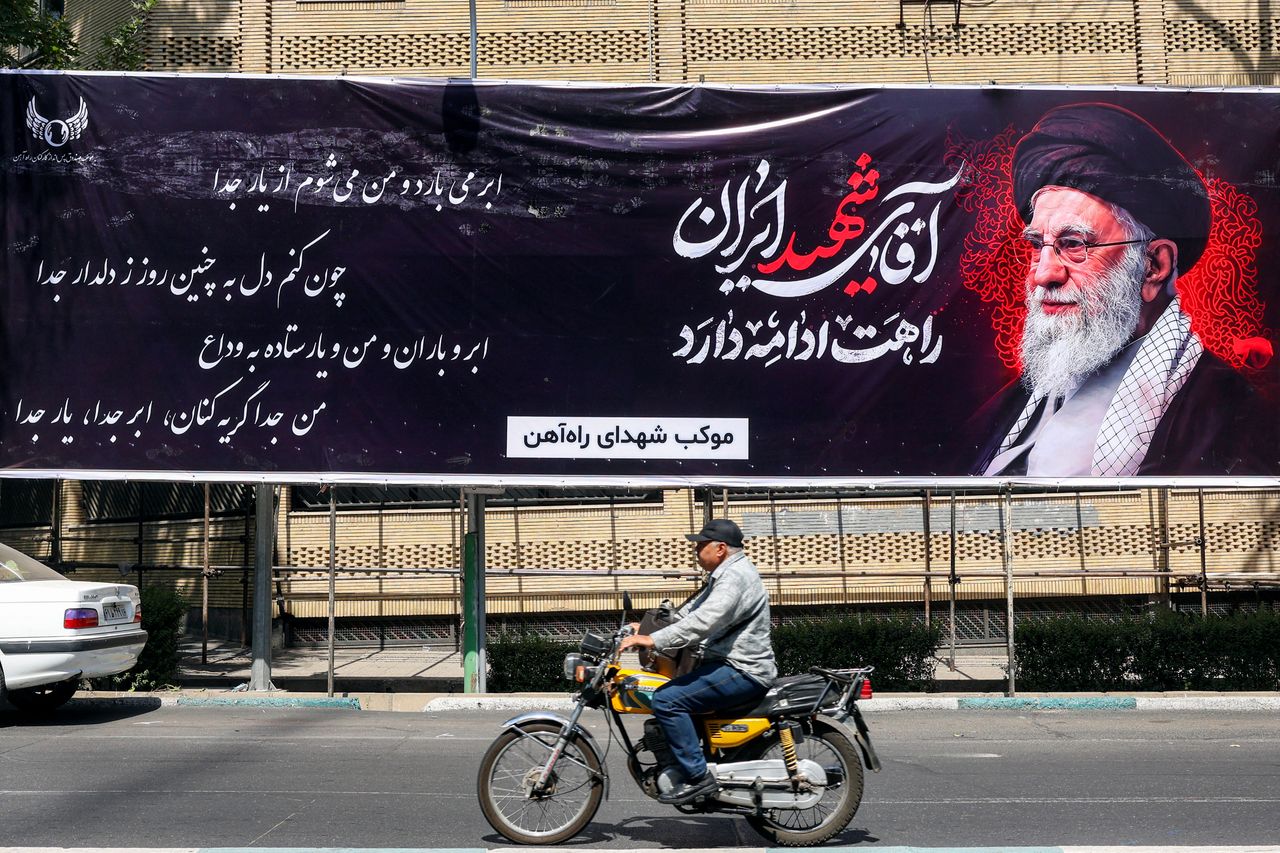
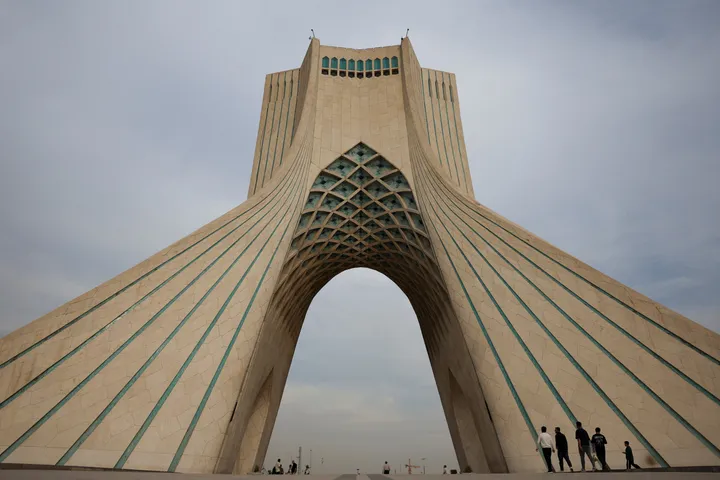
The coffin of the late Supreme Leader of Iran, Ali Khamenei, who was assassinated in a joint US-Israeli attack, has been brought to a farewell ceremony in the capital, Tehran, with international delegates set to participate in the ceremony.
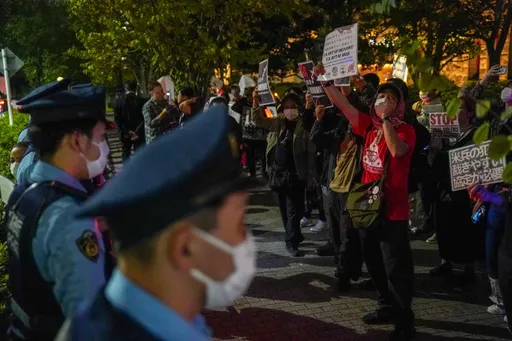
The ceremony on Friday is being attended by thousands of family members of those killed in US-Israeli war on Iran, who gathered to mourn near the site of the commemoration.
Khamenei was assassinated in a joint US-Israeli attack on Iran on February 28, an event that triggered weeks of war and heightened tensions across Middle East.
According to the announced funeral schedule, an official memorial ceremony for Khamenei will be held on Friday, with the participation of heads of state, senior officials and religious leaders.
Leaders, senior officials or representatives from more than 30 countries, including Russia, China, Pakistan, India, Tajikistan, Georgia and Cuba will attend the ceremony, Iranian media reported.
Pakistan, a key mediator in talks between the United States and Iran on ending the Middle East war, said its Prime Minister Shehbaz Sharif would be at the funeral in Tehran on Saturday.
China, Afghanistan and Iran's neighbours in the Caucasus region said they would also be sending representatives.
Photos published online by Iranian state media showed General Ahmad Vahidi attending a meeting about the funeral of Khamenei, 86, then sitting alongside his casket.
Vahidi, who leads Iran’s Revolutionary Guard Corps, has become a major player in formulating Iran’s tough stance in negotiating a possible permanent end to the war with the United States, experts say.
He is believed to be part of a small clique in direct contact with Iran’s new Supreme Leader Mojtaba Khamenei, who has not been seen publicly after being reportedly wounded in the February 28 US-Israeli attacks that killed his father, the elder Khamenei.
Vahidi himself has not been seen publicly since February 8, weeks before the war began.


'Another referendum'
Farewell ceremonies will continue in Tehran on July 4 and July 5, followed by the main funeral procession in the capital on July 6.
The funeral rites will then move to the holy city of Qom on July 7.
On July 8, ceremonies are scheduled in Iraq, including in Baghdad, Najaf and Karbala, where the body will be received by religious and political figures and taken to major Shia shrines.
The final funeral and burial ceremony is scheduled for July 9 at Imam Ali Reza shrine in the northeastern city of Mashhad, one of the holiest Shia sites.
"The large public turnout at the funeral procession of the martyred leader and the other martyrs will, in effect, be another referendum for the Islamic Republic," Qom Friday prayer leader Ayatollah Mohammad Saidi declared to state media.
The ceremonies are expected to draw between 15 and 20 million mourners, according to officials, which would make it the biggest state funeral in the country's history.
Khamenei's assassination, and the succession of his son Mojtaba as Iran's third supreme leader, in a war with its greatest foes, mark an epochal moment in the last 47 years in Iran.
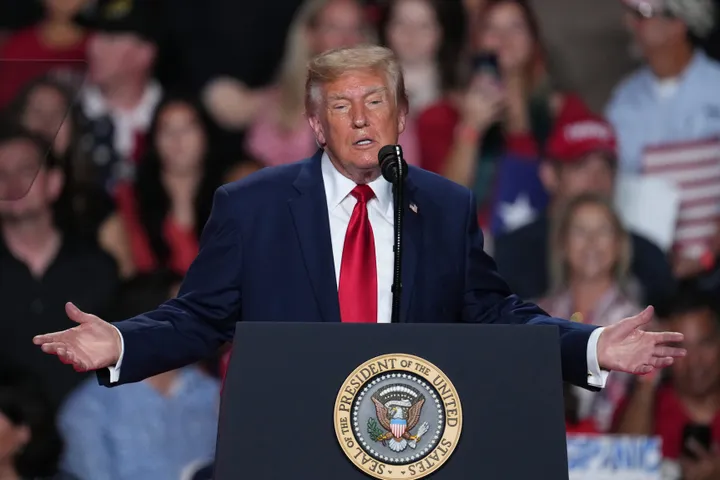
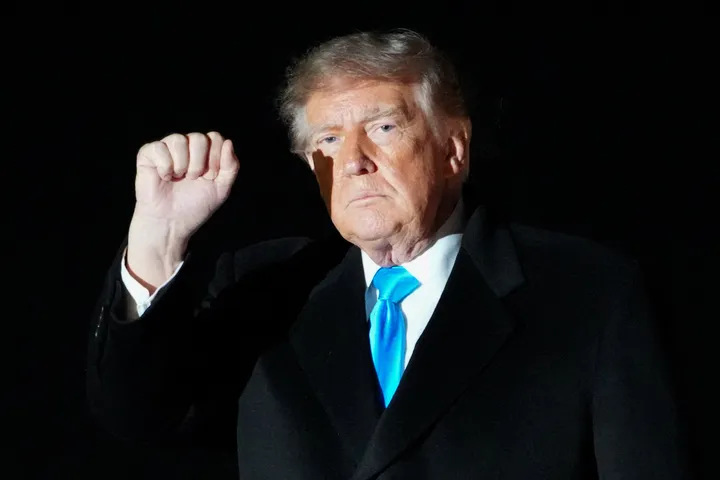
Meanwhile, Iran and the US concluded a round of indirect talks in Doha, mediators said on Thursday, as they kept up efforts to advance negotiations and lower tensions following recent exchanges of fire.
In June, Washington and Tehran agreed a memorandum of understanding, brokered by Pakistan and Qatar, which included a 60-day ceasefire pausing the war that broke out with US-Israeli attacks in late February, as well as the reopening of the blockaded Strait of Hormuz.
The 14-point deal also set a timeline for talks to permanently end the war and settle issues like arrangements for Hormuz, reconstruction funding for Iran and the future of Tehran’s nuclear programme.