Bulgaria adopted the euro on January 1, becoming the 21st member of the eurozone despite widespread public protests, deep political instability and growing concerns over rising prices.
The Balkan country joined the EU in 2007 and entered the eurozone's "waiting room" in 2020 alongside Croatia, which adopted the euro in 2023.
It has met all four Maastricht criteria required for euro adoption, including price stability, sound public finances, exchange rate stability and long-term interest rate convergence.
Brussels and Sofia view the move as a "historic milestone" that will strengthen Bulgaria's economic stability, boost trade and investment, and further anchor the country to the EU.
European Commission President Ursula von der Leyen argued that the euro would bring "more trade, more investment and quality jobs" to Bulgaria.
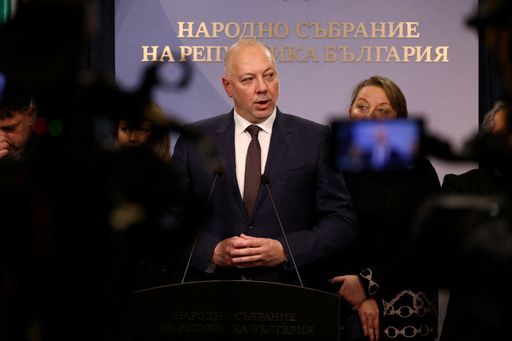
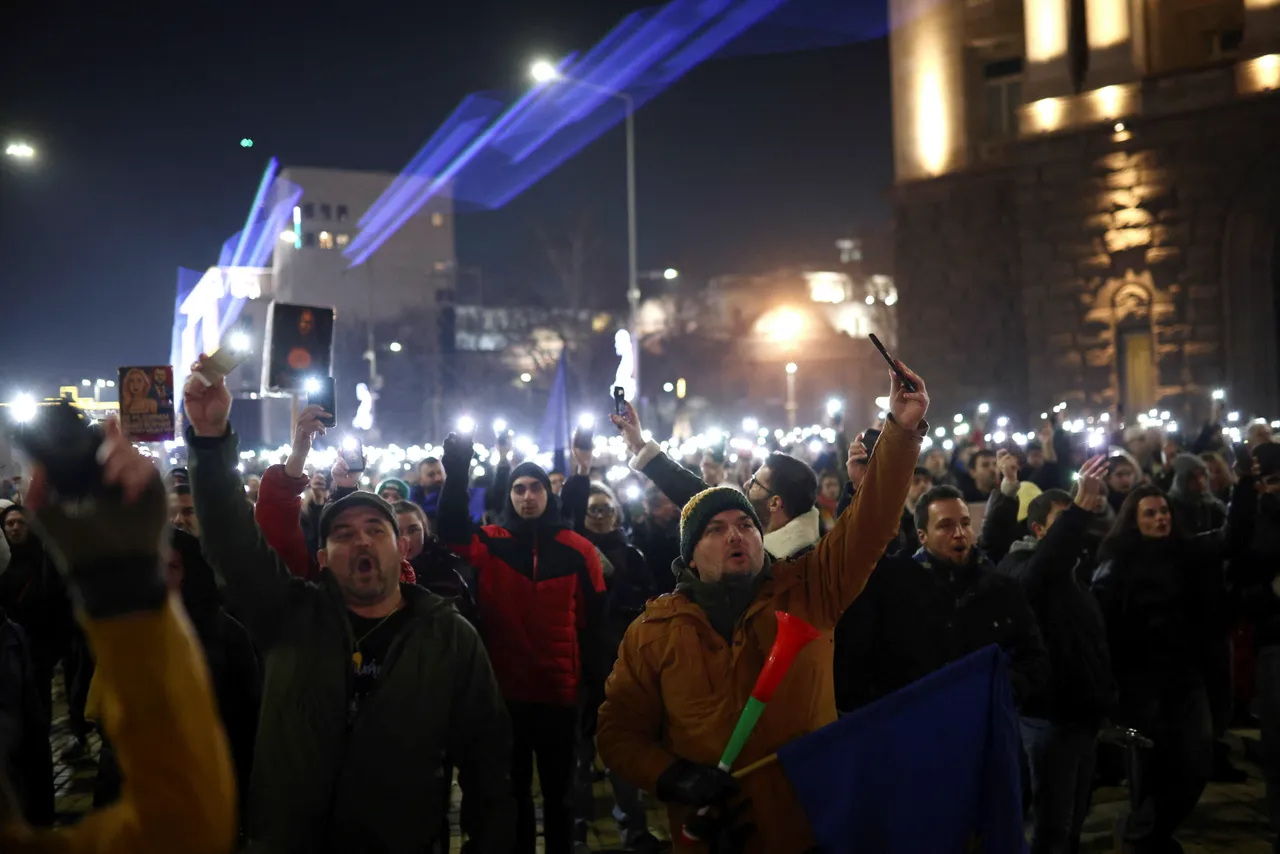
However, the transition comes amid a prolonged political crisis marked by seven parliamentary elections in four years, persistent allegations of corruption, and eroding public trust in state institutions.
Public opinion divided
Public opinion on the euro remains sharply divided. A recent Finance Ministry survey showed that 51 percent of Bulgarians support adopting the single currency, while 45 percent oppose it.



Opposition has been amplified by protests led by the far-right Revival Party, which has warned that euro adoption will "fuel inflation and erode national sovereignty." In June, lawmakers from the party blocked the parliamentary podium and scuffles broke out during debates on euro entry.
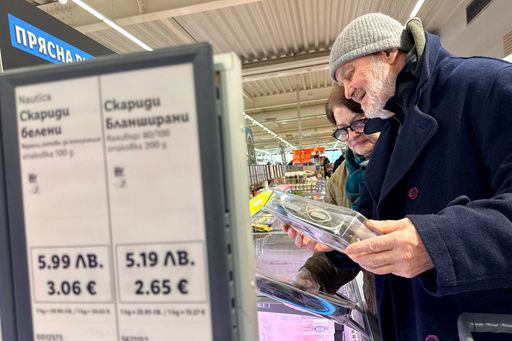
Fears of price hikes remain widespread, particularly among low-income households, rural communities and the elderly.
Rise in living costs
With an average monthly salary of around €1,250 ($1,467) and with Bulgaria ranking as the EU country with the lowest GDP per capita in 2024 —34 percent below the EU average — many Bulgarians worry they will struggle to absorb any rise in living costs.
EU institutions said there is no evidence that euro adoption causes lasting inflation and have pledged strict safeguards, including dual price displays and tighter oversight, to prevent unjustified price hikes.
Supporters argue that joining the eurozone will lower borrowing costs, improve Bulgaria's credit rating and benefit key sectors such as tourism, which accounts for around 8 percent of GDP.
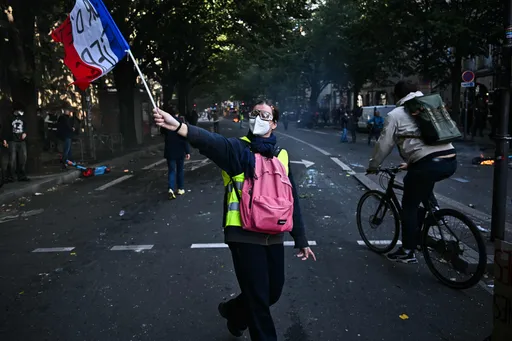
Still, analysts warn that continued political instability could undermine the expected economic gains. In December, Prime Minister Rosen Zhelyazkov's government resigned after weeks of mass anti-corruption protests. New elections are expected in early 2026.