Government ministers from around the world are preparing for a fraught final stretch of negotiations at the UN climate summit, as countries dig into the most contentious issues in a bid to secure a deal that signals global resolve amid rising assertiveness from developing nations.
"The time for performative diplomacy has now passed. Now is the time to roll up our sleeves, come together and get the job done," UN climate chief Simon Stiell told delegations as the second week of COP30 opened in the Amazon city of Belem.
Brazilian President Luiz Inacio Lula da Silva is expected to arrive on Wednesday to help rally consensus ahead of Friday’s concluding session.
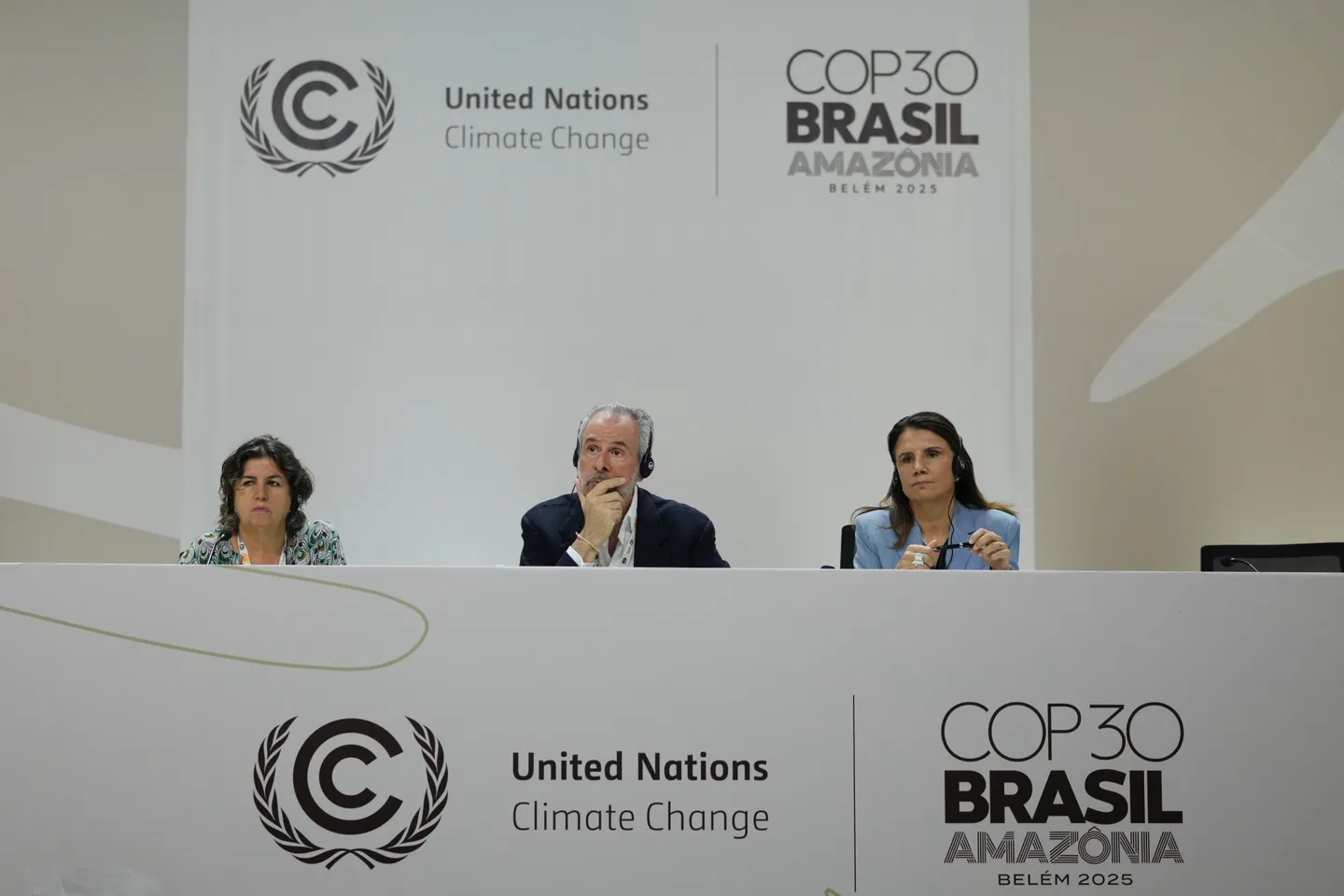
Asked whether any single issue was dominating the talks, COP30 President Andre Correa do Lago said: "Everything, everything. It’s very complicated."
New dynamics in climate diplomacy have seen China, India and other developing nations flex more muscle, while the European Union grapples with weakening support at home and the United States has skipped the summit altogether.




Finance, trade and emissions cuts
Over the past week, negotiators set out their differences on three core issues: climate finance, unilateral trade measures and planned emissions cuts, which fall far short of what is needed.
The Paris Agreement goal of limiting warming to 1.5°C above pre-industrial levels will be missed, with current trends pointing to at least 2.3°C.
"It is a must-have to be able to talk about how we close the gap going forward," said Norway’s climate minister Andreas Bjelland Eriksen.
A bloc of developing nations is pushing for a payment schedule to ensure wealthy countries honour pledges made at COP29 to provide $300 billion annually by 2035.
The US — absent from COP30 — has previously failed to meet commitments.