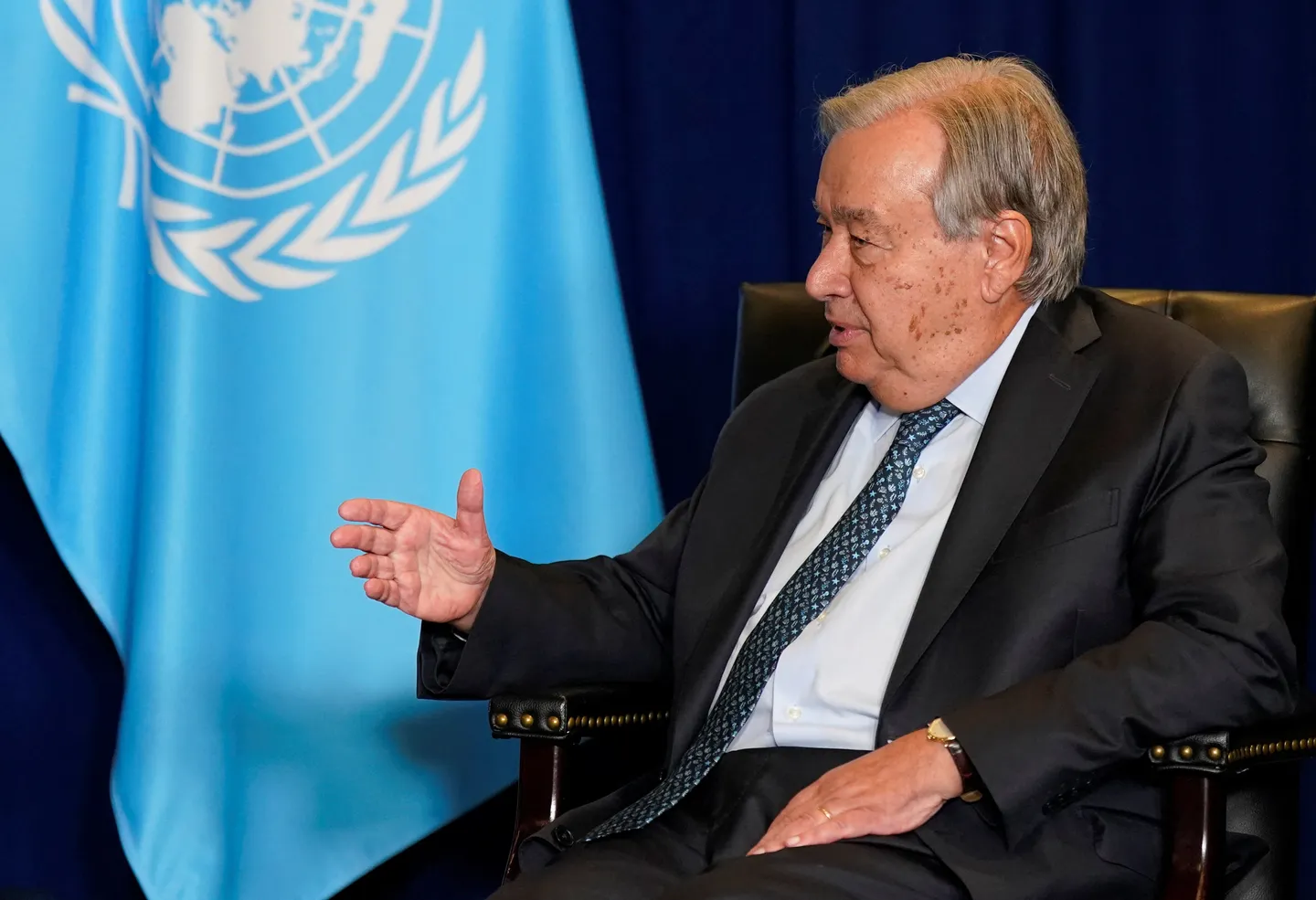
The United Nations Secretary-General, Antonio Guterres, has called for a fightback against climate disinformation ahead of next month's COP30 summit after US President Donald Trump branded the climate crisis the "greatest con job ever".
Guterres issued a robust defence of "clear-eyed" climate science and data, without which, he said, the world would never have understood the emergence of the "dangerous and existential threat of climate change," he told delegates on Wednesday at the UN World Meteorological Organization's extraordinary conference in Geneva to mark its 75th year.
"We must fight mis- and disinformation, online harassment, and greenwashing," Guterres said.
"Scientists and researchers should never fear telling the truth." Guterres's remarks will be seen in some quarters as a riposte to Trump's speech at the United Nations in New York last month, in which the US president championed fossil fuels and derided green technologies.
"Climate change is the greatest con job ever perpetrated on the world, in my opinion," said Trump.
"The carbon footprint is a hoax made up by people with evil intentions,” he said.
"We're getting rid of the falsely named renewables, by the way: they're a joke, they don't work, and they're too expensive," he added, about his administration's war on solar and wind power, bolstered by a new law that ends clean energy tax credits.
Early warning systems



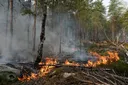
Guterres warned that global warming is pushing the planet to the brink and urged countries to implement disaster warning systems to protect people against extreme weather.
"Every one of the last ten years has been the hottest in history. Ocean heat is breaking records while decimating ecosystems. And no country is safe from fires, floods, storms and heatwaves," he told delegates.
Guterres urged countries to mobilise funding to enable a global system of surveillance, known as Early Warning Systems, to protect people from extreme weather.
"They give farmers the power to protect their crops and livestock. Enable families to evacuate safely. And protect entire communities from devastation," Guterres said.
Getting notice 24 hours before a hazardous event can reduce damage by up to 30 percent, he added.
In the past five decades, weather, water and climate-related hazards have killed more than 2 million people, with 90 percent of those deaths occurring in developing countries, the WMO said on Monday.