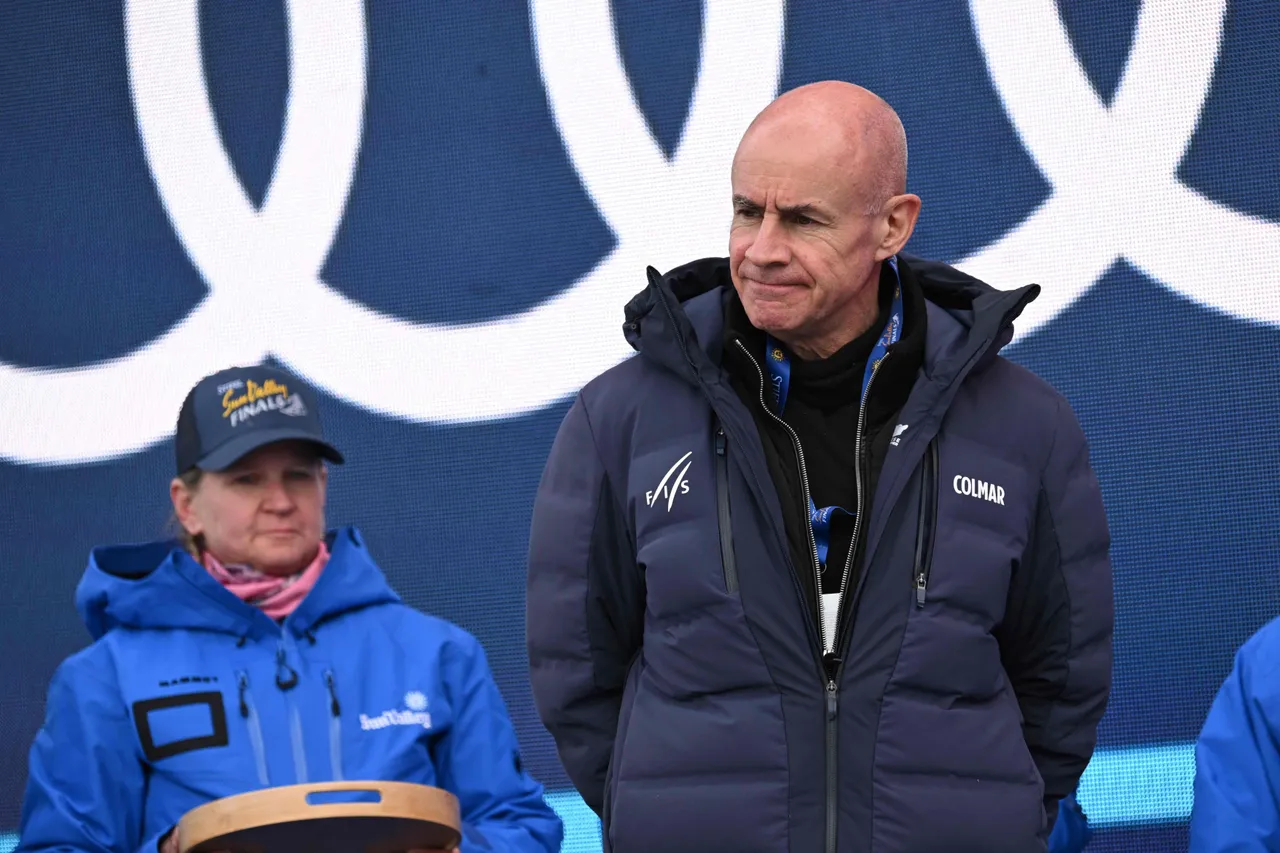
Less than two months before the Milan-Cortina Winter Olympics open, the president of the powerful International Ski and Snowboard Federation (FIS) has warned that the Games are entering a critical phase, with major lessons still to be learned.
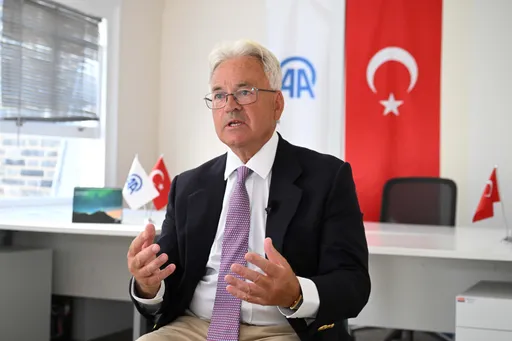
Johan Eliasch, who heads the federation responsible for more than half of all Winter Olympic events, told AFP that delivering the Games on time remains “a great challenge.”
“There are many, many lessons to be learned from these Games in terms of planning and execution and event delivery,” Eliasch said, acknowledging growing pressure on organisers as the February 6 opening ceremony approaches.
His comments echo concerns raised earlier this month by Andrea Varnier, CEO of the Milan-Cortina 2026 organising committee, who admitted there was still “a lot of finishing to do around the venues.”
Race against the clock — on and off the slopes
Organisers are not the only ones under time pressure. Three Russian and six Belarusian skiers are racing to qualify for the Games after the Court of Arbitration for Sport overturned a long-standing FIS ban imposed following Russia’s attack on Ukraine in February 2022.
If they qualify, the athletes will compete under a neutral flag, as Russian and Belarusian competitors did at the Paris Summer Olympics in 2024. Momentum toward reintegration grew last week when the International Olympic Committee urged sports bodies to fully reinstate athletes from both countries in junior competitions — including competing under their national flags and anthems.
Eliasch said he supports the recommendation, arguing that athletes should not be punished for geopolitical realities beyond their control.
“My position is you cannot be held accountable for where you are born,” he said, while cautioning that the debate has exposed deep ambiguities.





“The term politically neutral clearly means different things to different people, and the room for interpretation is too wide,” Eliasch added, calling for a clearer, more consistent definition of political neutrality across sport.
No to ‘summer sports on snow’
Eliasch also drew a firm line on the future shape of the Winter Olympics, opposing any expansion to include disciplines traditionally associated with summer sport.
His comments come as IOC President Kirsty Coventry’s working group studies the possible inclusion of events such as trail running or cyclocross at the 2030 Winter Games in France.
“We need to focus on making the existing product better, not adding complexity and cost,” Eliasch said. “Winter sports are on snow and ice. Running on snow is not really a sport.”
Respect for new IOC leadership
Despite losing the IOC presidency race to Coventry earlier this year, Eliasch struck a conciliatory tone, praising her leadership style since taking office.
“I have seen a change of style — more listening mode — and I think people feel this is refreshing,” he said, adding that Coventry is beginning to “stamp her mark” on the Olympic movement.
As Milan-Cortina counts down to opening night, Eliasch’s remarks underscore the fragile balance facing the Games — between logistics and legacy, politics and participation, and preserving the identity of winter sport itself.