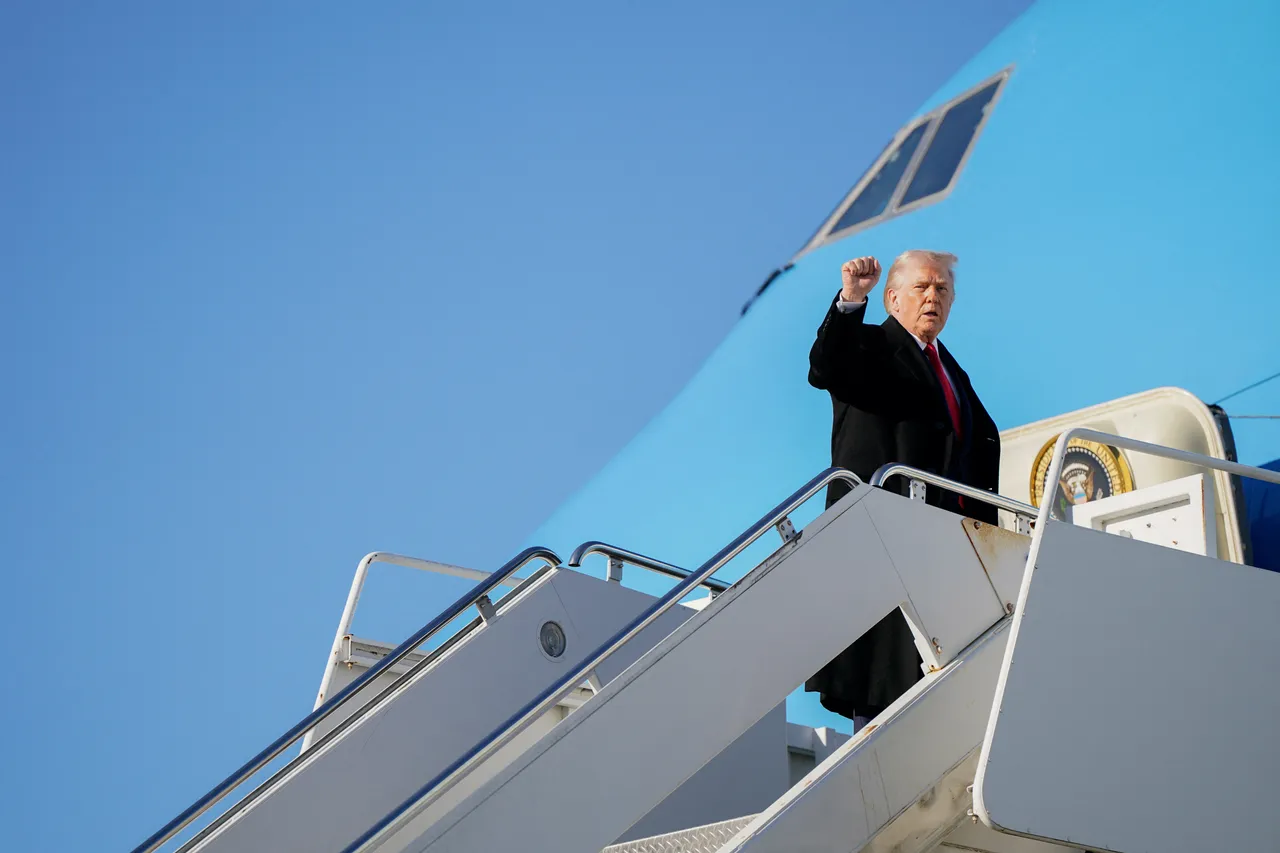
US President Donald Trump has said Iran has been "difficult" in nuclear negotiations and suggested that instilling "fear" may be necessary to resolve the standoff peacefully, as indirect talks between Washington and Tehran continue.
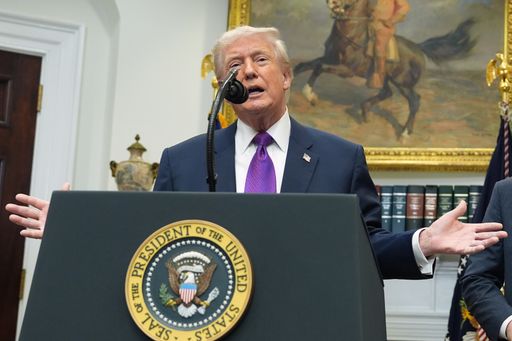
Speaking to active-duty soldiers at Fort Bragg in North Carolina on Friday, Trump said: "They've been difficult to make a deal."
"Sometimes you have to have fear. That's the only thing that really will get the situation taken care of," he added.
His remarks came after US officials confirmed that a second aircraft carrier was being deployed to the Middle East.
Trump said the move was intended to ensure the United States would be ready should negotiations fail.
Trump also said a change of government in Iran would be the "best thing that could happen."
"Seems like that would be the best thing that could happen," Trump said when a journalist asked if he wanted "regime change" in Iran.
"For 47 years, they've been talking and talking and talking. In the meantime, we've lost a lot of lives while they talk," he told reporters.
Diplomacy amid pressure
Earlier, he described the talks with Iran as ongoing but uncertain.

Last week, Oman facilitated discussions between the two sides.
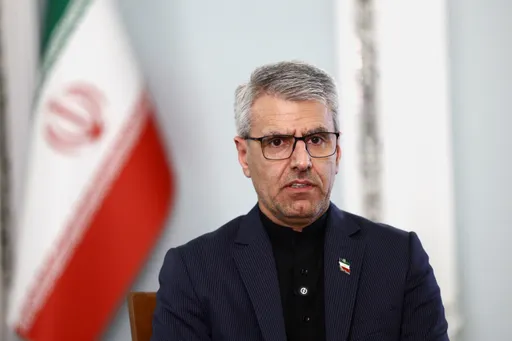
An Iranian foreign ministry spokesperson said the engagement allowed Tehran to gauge Washington's seriousness and showed enough common ground for diplomacy to continue.
The next round of talks has not yet been announced.
Trump also referenced last June's US bombing of Iranian nuclear sites during his address, framing it as part of a broader strategy of deterrence.
The visit to Fort Bragg included a meeting with special forces involved in the January 3 operation that abducted Venezuelan President Nicolas Maduro.
Trump praised the troops and linked their actions to what he described as America's strength abroad.
His speech, however, also included overt political remarks.
Trump criticised his Democratic opponents and warned that they would weaken the military if they won control of Congress in November's elections.
The president's comments reflect the administration's attempt to balance diplomacy with pressure, maintaining negotiations with Tehran while signalling that military options remain on the table.