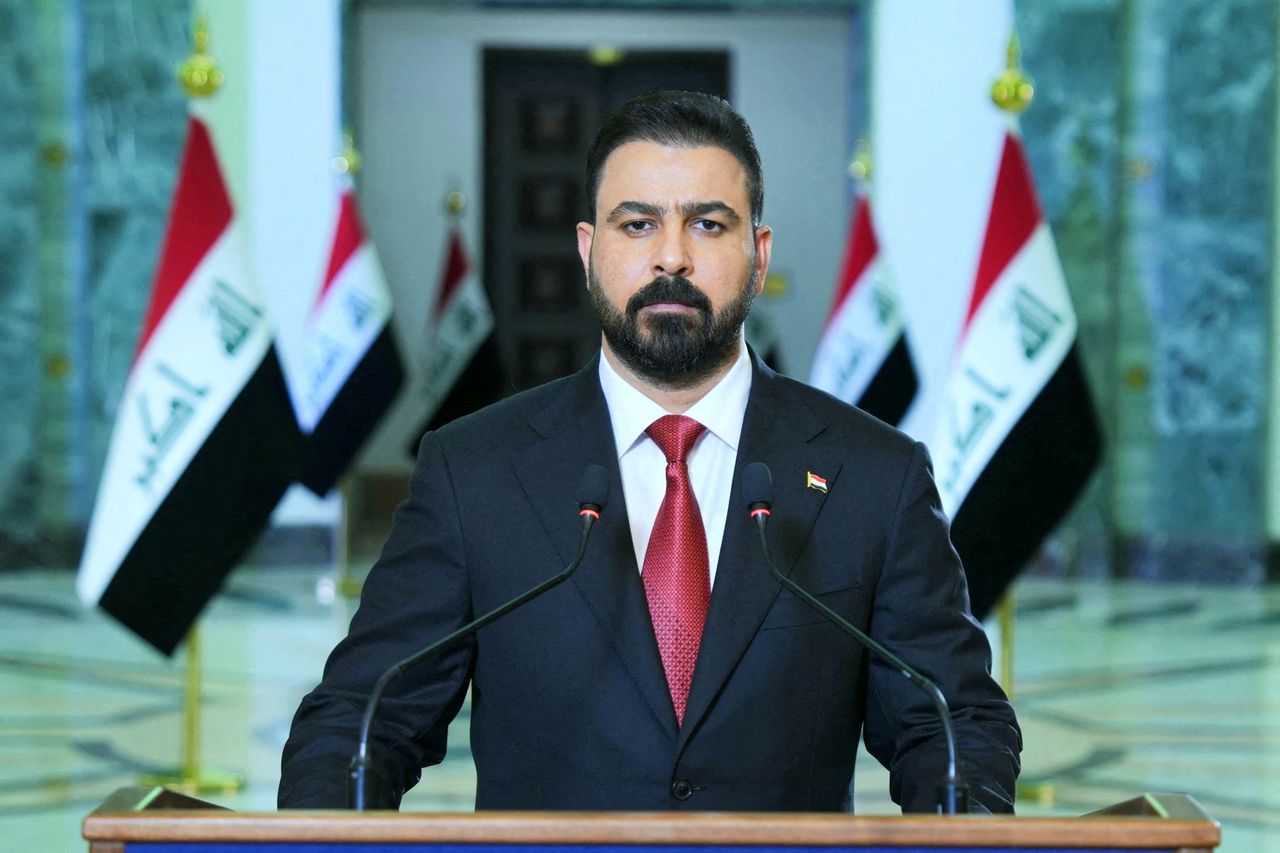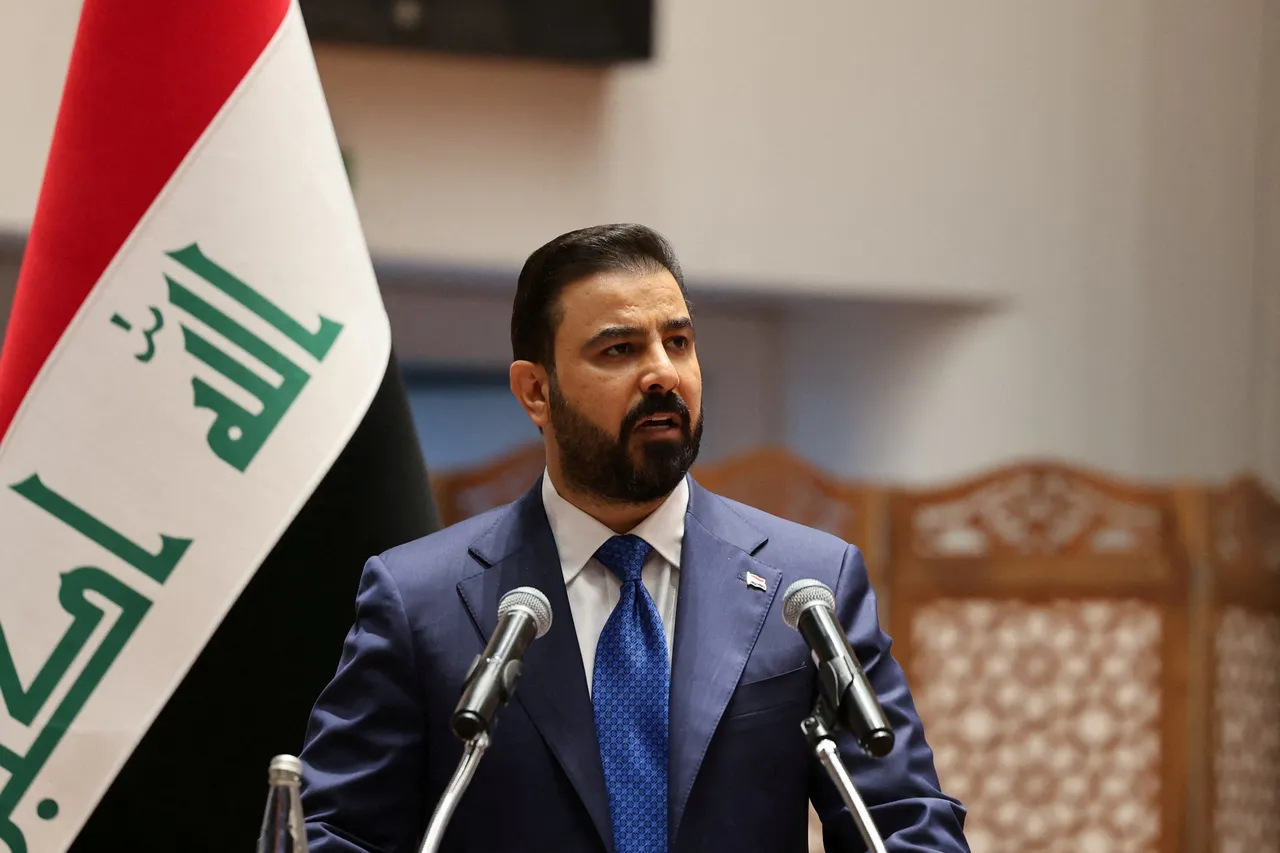
Iraqi Prime Minister Ali Al Zaidi has said there is “no evidence” that attacks against Gulf countries originated from Iraqi territory, while reaffirming that Baghdad will not allow its land to be used to target neighbouring states.
In an interview with a London-based newspaper published on Monday evening, Zaidi discussed a host of issues, including restricting weapons to state control, combating corruption, economic reforms and Iraq's foreign relations.
He said all security force commanders had been instructed to prevent any attempt to use Iraqi territory to launch attacks against neighbouring countries.
“We will not accept dictates from outside our borders, neither from the East nor the West. Iraq's decision belongs to its people,” he said.
Zaidi stressed that Iraq seeks to build strong relations with the international community and neighbouring countries.
“After visiting the United States, we have working visits scheduled to Türkiye, Saudi Arabia and Iran,” he said.
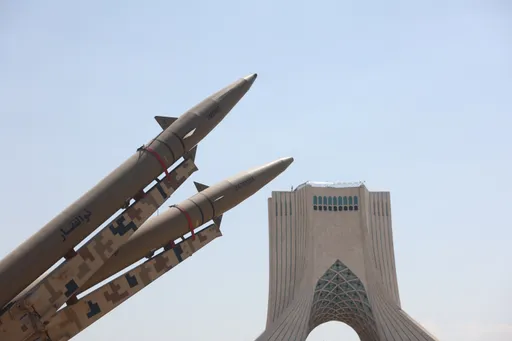
Regional tensions escalated when the US and Israel launched attacks against Tehran in February, killing more than 3,000 people, according to Iranian officials.
Tehran retaliated with drone and missile attacks targeting Israel and Gulf countries hosting US bases.
Several Gulf states also came under attacks that they say were launched by Iran-backed armed factions in Iraq.
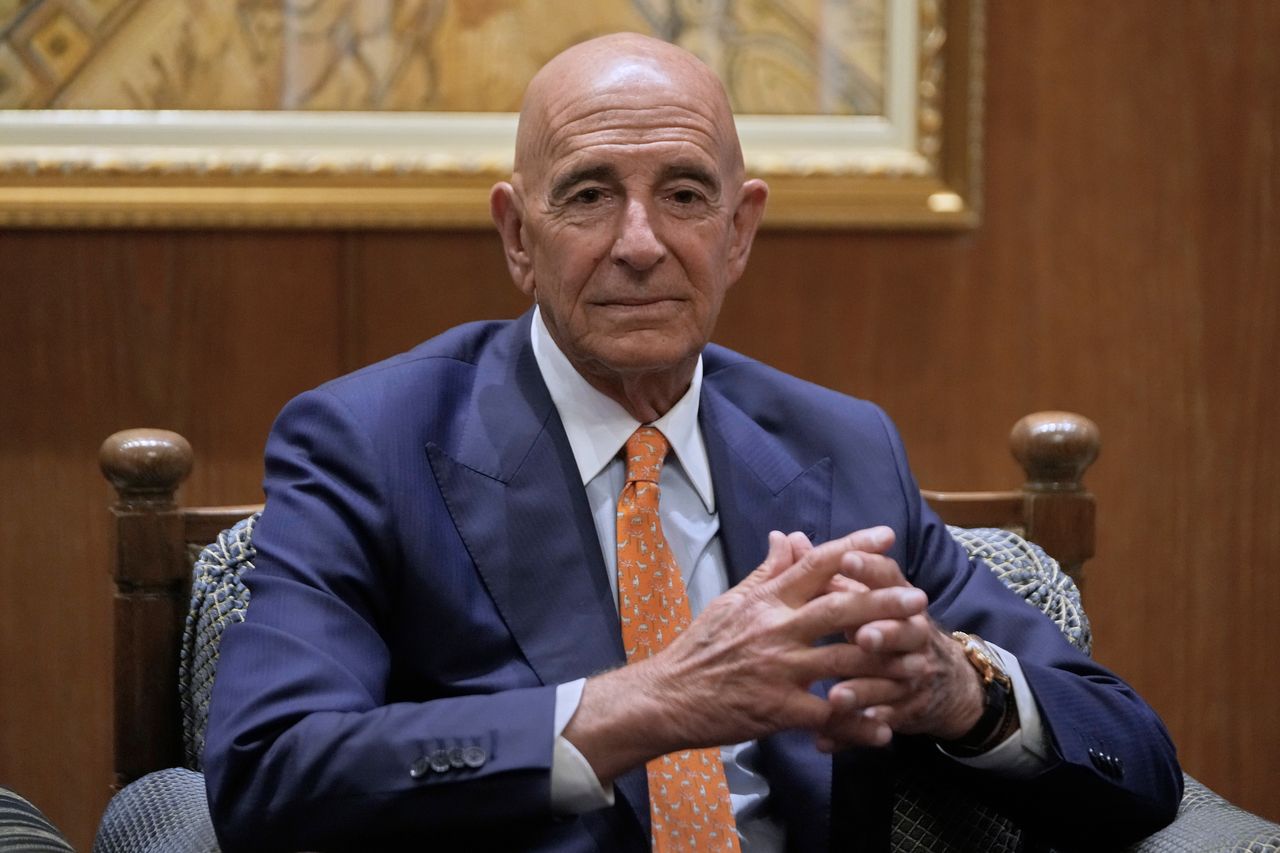
Monopoly of weapons
Zaidi said Iraq will hold a national conference later this year to reinforce the state monopoly on weapons.
“There is no place for weapons outside the state, and we will not accept the existence of a state within a state,” he said.
He added that the government has already received weapons from Saraya Al Islam, Asaib Ahl Al Haq and Kataib Al Imam Ali armed groups.
“The most important step is not merely handing over weapons, but severing the link between the armed faction and the fighters under its command.
“We believe resistance is a necessity, not a profession. That necessity no longer exists, and we will not accept a state within a state,” he said.
Zaidi announced September 21st as a final deadline for armed factions to surrender their weapons to the authorities.
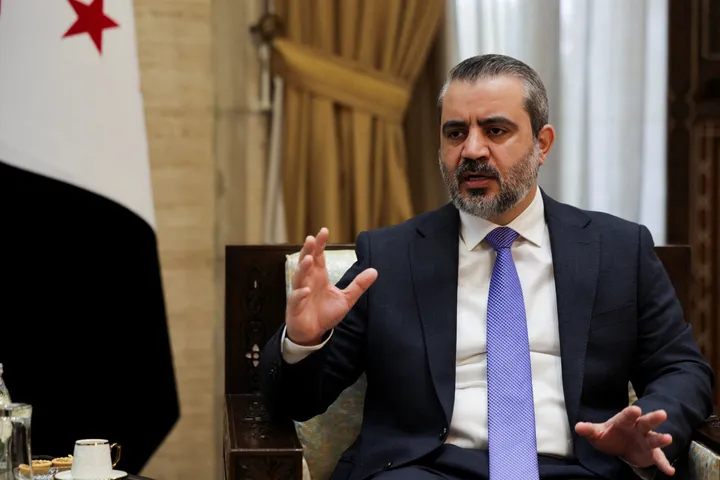


Government spokesman Haider Al Aboudi said on Monday that the deadline coincides with the withdrawal of the US-led international coalition forces from Iraq under an agreement reached two years ago.
On June 3, military spokesman Sabah Al Numan announced the formation of a committee tasked with ensuring that weapons remain exclusively under state control.
The issue of weapons outside state authority remains one of Iraq's most pressing security and political challenges, with some armed factions operating under the umbrella of the Popular Mobilization Forces (PMF) while others function independently.
The government says it aims to consolidate state authority over arms as part of broader efforts to strengthen domestic stability and shield Iraq from regional tensions.
Corruption fight
Zaidi described corruption as “a threat to the existence of the Iraqi state,” calling his government's campaign against corruption “irreversible.”
“There are people seeking to steal Iraq, not to serve it,” he said.
The premier said he had instructed the Finance Ministry to open a special account to recover embezzled Iraqi funds.
Zaidi also pledged not to draw a salary, accept gifts or “allow his hand to touch public money.”
He said he will not seek a second term in office or establish a political party after leaving office.
The Iraqi parliament approved Zaidi’s government in May. His constitutional term is four years.
On Sunday, Iraqi authorities announced the arrest of several officials and lawmakers accused of financial and administrative corruption following confessions by detained Deputy Oil Minister Adnan Al Jumaili.
Jumaili was arrested on June 2 over allegations of financial and administrative corruption and illegal contracts.
Iraq's Supreme Judicial Council later announced the seizure of about $23 million in cash and the confiscation of 70 properties and 21 luxury vehicles, in addition to about 3 kilograms (6.6 pounds) of gold jewellery.