 Sadiq S Bhat
Firefighters have battled multiple blazes across Europe as record-breaking heat combined with parched land fueled wildfires from England to France, days after the United Nations' weather agency warned that such extreme heat is becoming more frequent, more intense and longer-lasting.
What is happening
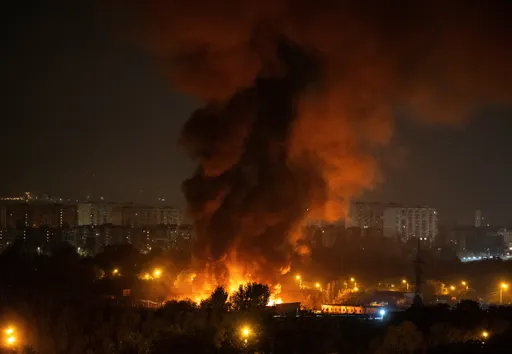
In central England, a large grass fire that broke out near a golf course in Stourbridge, in the West Midlands, destroyed dozens of homes, local MP Cat Eccles said.
Hundreds of firefighters were deployed, and the fire service said it handled thousands of emergency calls over a single night.
Chief fire officer Simon Tuhill called it "one of the most significant" incidents the region's fire service has ever dealt with.
A child and three firefighters were hospitalised, and six people were treated for smoke inhalation.
The fire came a day after London recorded its hottest day of the year at 38.1C, and as England endures its driest July since national records began in 1836.
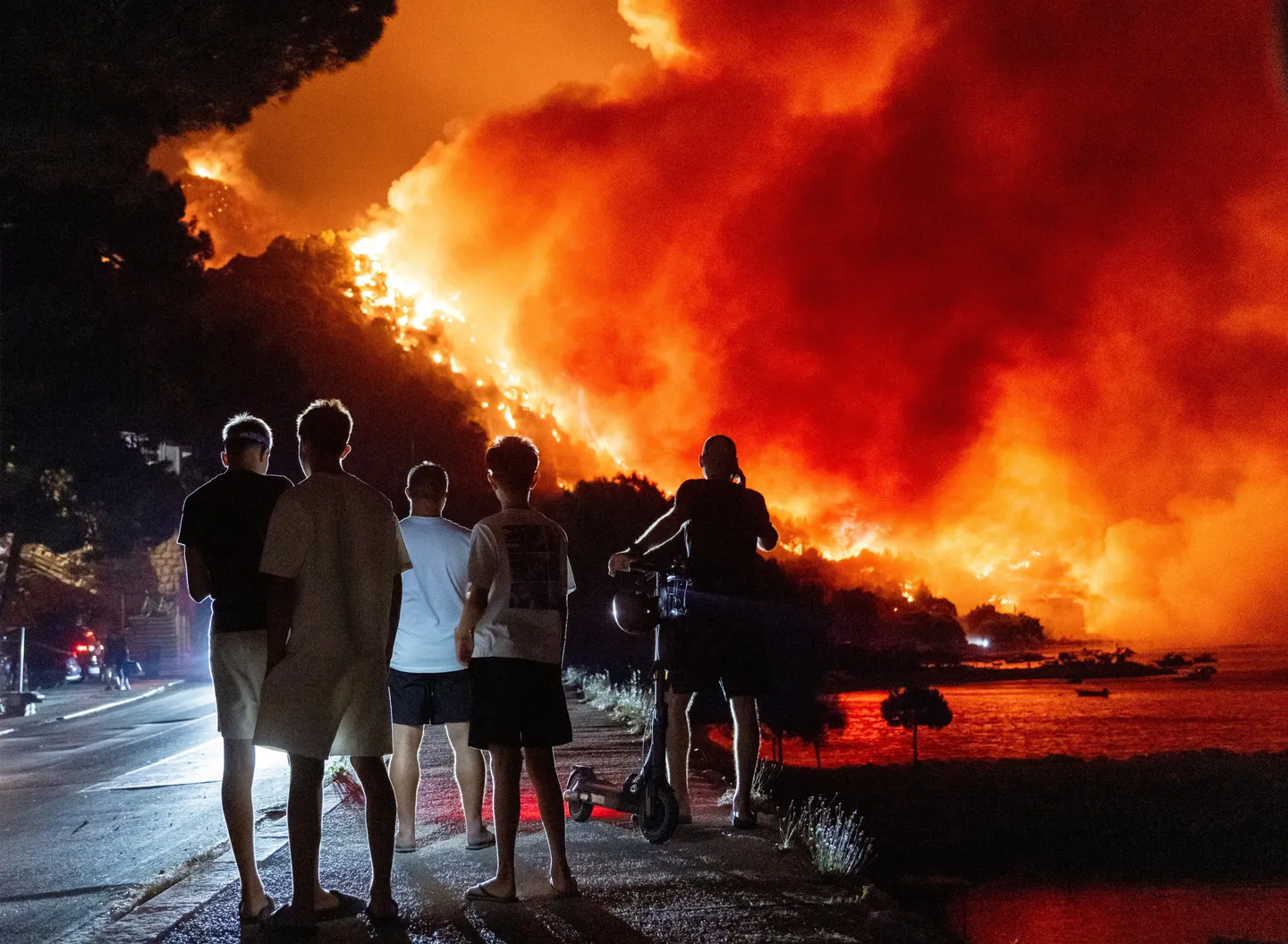
A wildfire that erupted late on Thursday near the holiday town of Omis in Croatia spread rapidly overnight, destroying everything in its wake and forcing thousands of residents and tourists to evacuate.
In France, a new fire broke out overnight in the Landes region on the southwest coast, forcing hundreds of people to evacuate the town of Luglon.
It is one of several fires burning across the country this week, including in the normally cooler regions of Brittany and the north.
A separate blaze near Bordeaux last month displaced roughly a quarter of a million people.
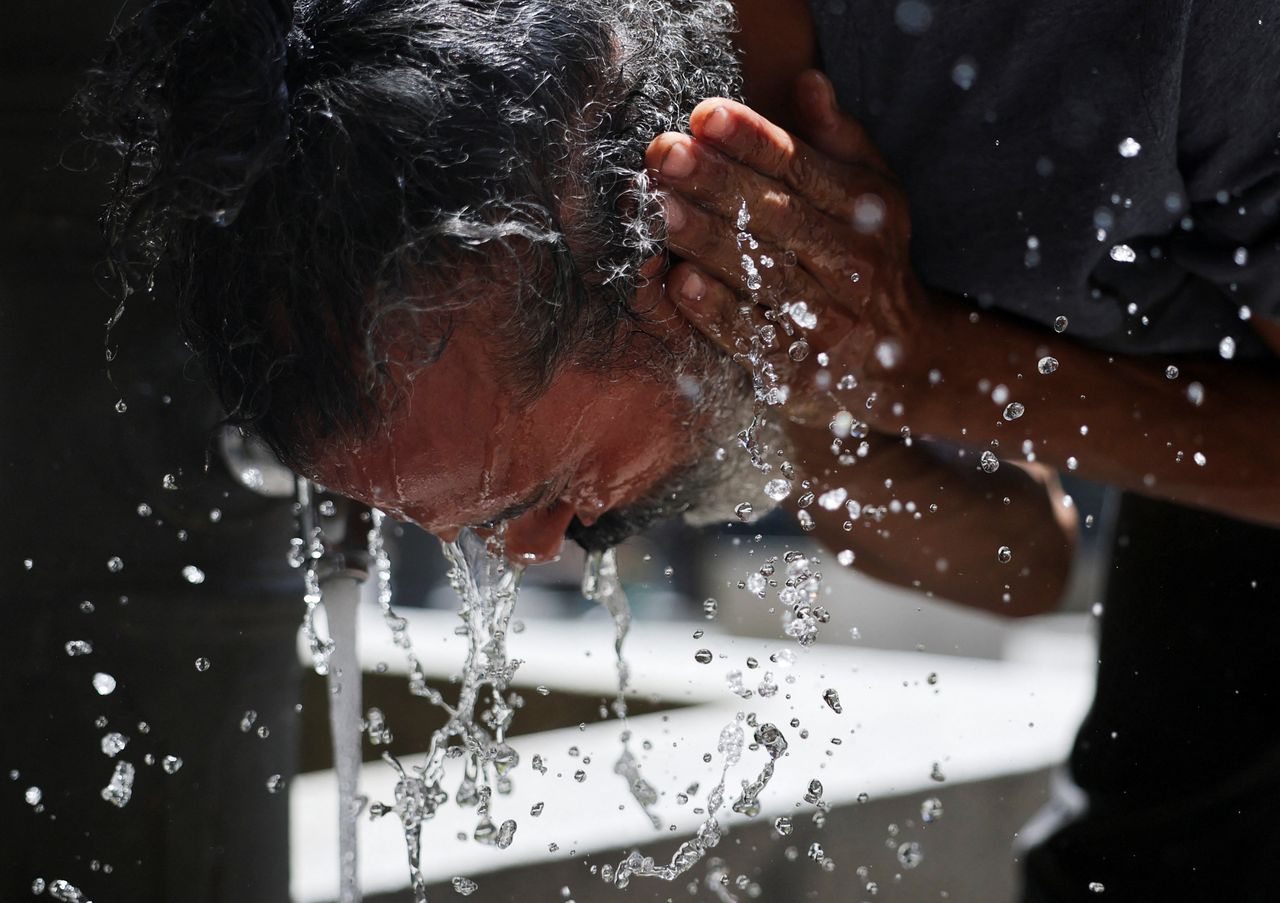
French authorities say the country is on track for its driest year on record, with temperatures reaching nearly 41C in the southwest and the Rhone Valley.
France has also shut down six nuclear reactors in recent days, citing extreme heat and drought, as well as jellyfish swarms drawn by unusually warm seas, clogging cooling-water intakes along the Channel coast.
While successive waves of blistering heat left the landscape bone-dry, extreme fire danger gripped vast regions from Germany and Poland into the Balkans, and flames raged across western and central Europe, devouring forests and forcing mass evacuations.
This week homes burned in England’s West Midlands and vast tracts smouldered in Spain, as exhausted firefighters battled an unforgiving season of fire and heat.
What the UN and EU are saying
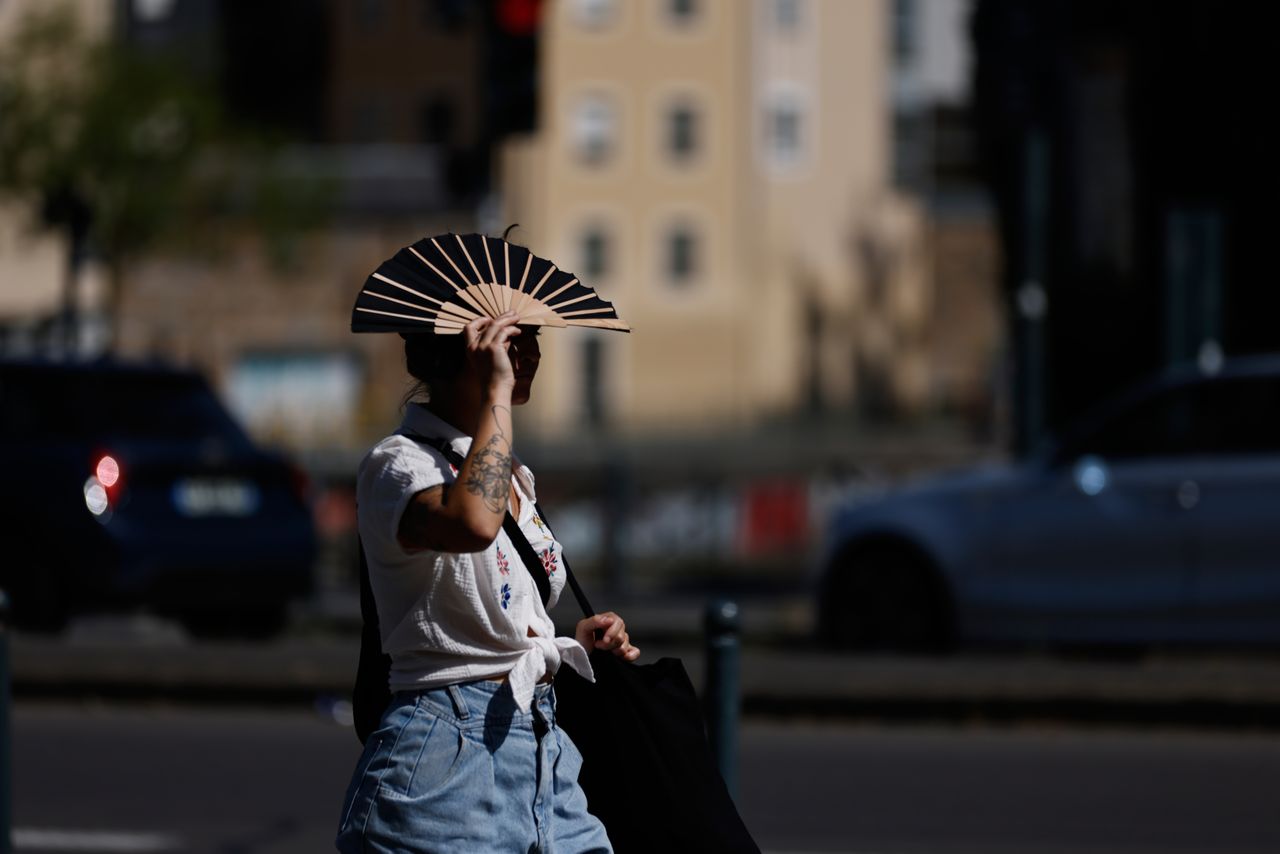
The World Meteorological Organisation, the UN's weather and climate agency, said this week that the pattern behind this summer is not a one-off.
John Kennedy, the WMO's head of climate information, told a briefing in Geneva that extreme heat is becoming "more frequent, more intense," lasting longer and covering far wider areas than in past decades.







European Union officials separately warned that pockets of "very extreme" wildfire danger were stretching across the continent this week, as national fire services in multiple countries requested reinforcements.
Why this is happening
Scientists and officials attribute the pattern to climate crisis, which is producing longer and more intense heatwaves across a continent that is warming faster than the global average.
Kennedy compared the current weather pattern to Europe's hot summer of 1976, saying the atmospheric set-up is similar, but the outcome is not: in 1976, the heat sat over a handful of isolated pockets in an otherwise cooler world.
Europe has warmed by roughly 2°C since then, meaning the same weather pattern now produces far higher temperatures over a much larger area.
Average daily maximum temperatures across England and Wales continued to hover above normal throughout July, according to Britain’s Met Office.
By early August, the UK had already recorded its highest-ever number of days above 30C, with several weeks of summer still to come.
As of Friday, millions of people across England and Wales are being sent an emergency alert warning of a very high risk of wildfires.
The alert is being issued on a rolling basis, with the UK government describing it as the most extensive use of the Emergency Alerts system so far.
The message will play a sound and vibrate for about 10 seconds, even if a mobile phone is set to silent. Some handsets may also automatically read the message aloud.
The alert warns: "There is a very high risk of wildfires nationally. Residents, landowners and visitors should not undertake any activity that could start a fire, including disposable barbeques, firepits, garden incinerators or fireworks."
What happens next
Officials point to infrastructure and preparedness gaps.
Much of northern and central Europe was built for cold, wet winters rather than extended heat, with limited air conditioning and drainage systems that are poorly suited to prolonged drought, leaving countries less equipped to handle the fire and heat risks now becoming routine.
Fire crews in Stourbridge are monitoring for flare-ups over the weekend.
In France, temperatures were forecast to remain near 41C as officials cautioned that fire risk would remain elevated given how dry the ground has become.
Germany's Robert Koch Institute reported this week that heat-related deaths nationwide have already surpassed the total recorded for all of 2018, with an estimated 12,500 deaths since the start of the year.
Belgium and the Netherlands both had their hottest days of the summer on Friday, with temperatures reaching 37C in Brussels and Amsterdam, underscoring that the immediate danger extends well beyond the areas currently on fire.
Europe’s summer holiday season is not ending. But increasingly, the question is no longer where to spend it, but where it remains safe to do so.