The UN's beleaguered agency for Palestinian refugees said Wednesday that a "dire" financial crisis had this week forced it to fire hundreds of Palestinian staff who had left the territory.
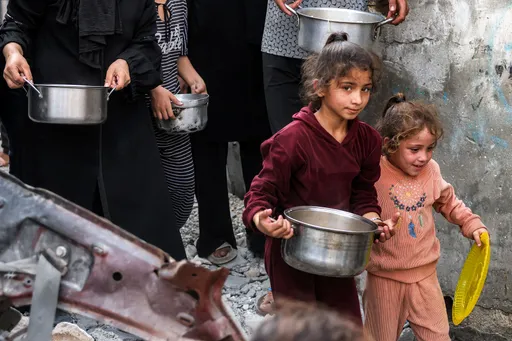
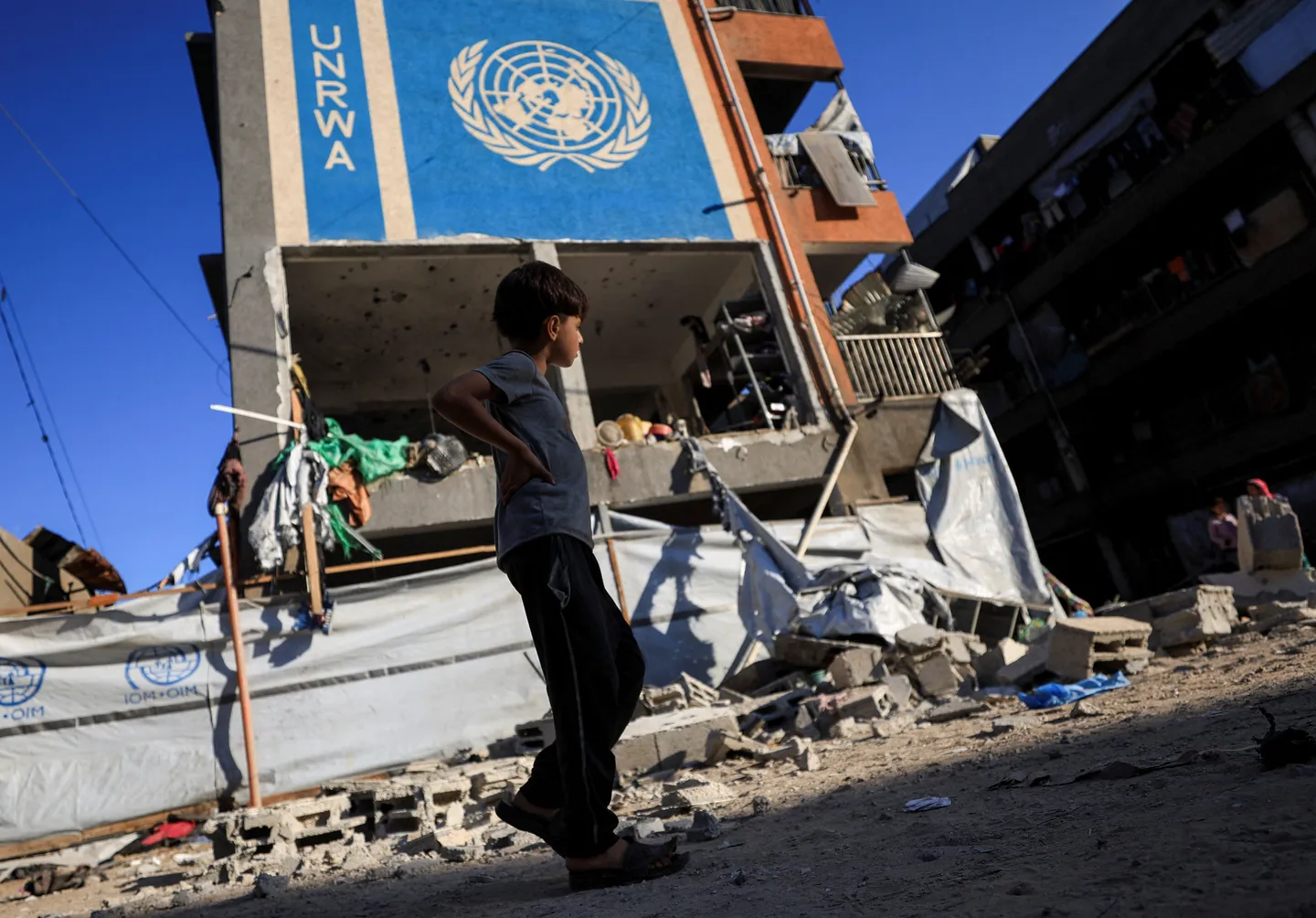
For more than seven decades, the United Nations Relief and Works Agency for Palestine Refugees has provided aid and assistance to Palestinian refugees across Gaza, the occupied West Bank, Lebanon, Jordan and Syria.
But the agency has seen the voluntary contributions it relies on dwindle as it has become the focus of increasingly harsh Israeli criticism and attacks, causing what the spokesperson called an "unprecedented financial crisis".
While the work UNRWA was mandated to do cost around $880 million in 2025, the agency received only around $570 million in contributions, the spokesperson said.
"As things stand, we expect a substantial shortfall in 2026," they added.
All of the staff affected by this week's announcement had originally worked in Gaza, but had managed to leave early in the war started on October 7, 2023.
Most had been unable to carry out their duties remotely since leaving Gaza, but had remained on UNRWA's payroll until last March, when they were placed on exceptional unpaid leave, the spokesperson said.
"The affected staff have been without pay for over 10 months, and it is impossible to foresee when or if they could resume their duties due to circumstances entirely beyond UNRWA’s control," the spokesperson said.
"Recognising that UNRWA's financial situation remains dire, the agency took a decision which at least allows them to access financial resources rapidly, including separation indemnities."
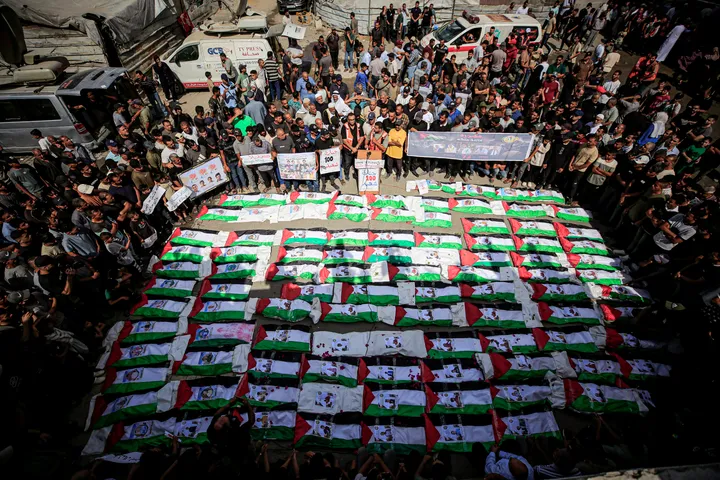
The spokesperson stressed that UNRWA, which has seen more than 300 of its employees killed in Gaza since the start of the war, still had around 12,000 staff working inside the Palestinian territory.
Israel has barred UNRWA from operating on its soil, accusing the agency of providing cover for Hamas, and claiming that some of the agency's employees took part in the October 7 attack.
A series of investigations found some "neutrality-related issues" at UNRWA, but stressed that Israel had not provided conclusive evidence for its headline allegation.
Tuesday's decision was "extremely difficult and (came) as a result of an extremely challenging financial outlook, as well as intense defamation campaigns to undermine UNRWA and deter its donors", the spokesperson said.