 Zeynep Conkar
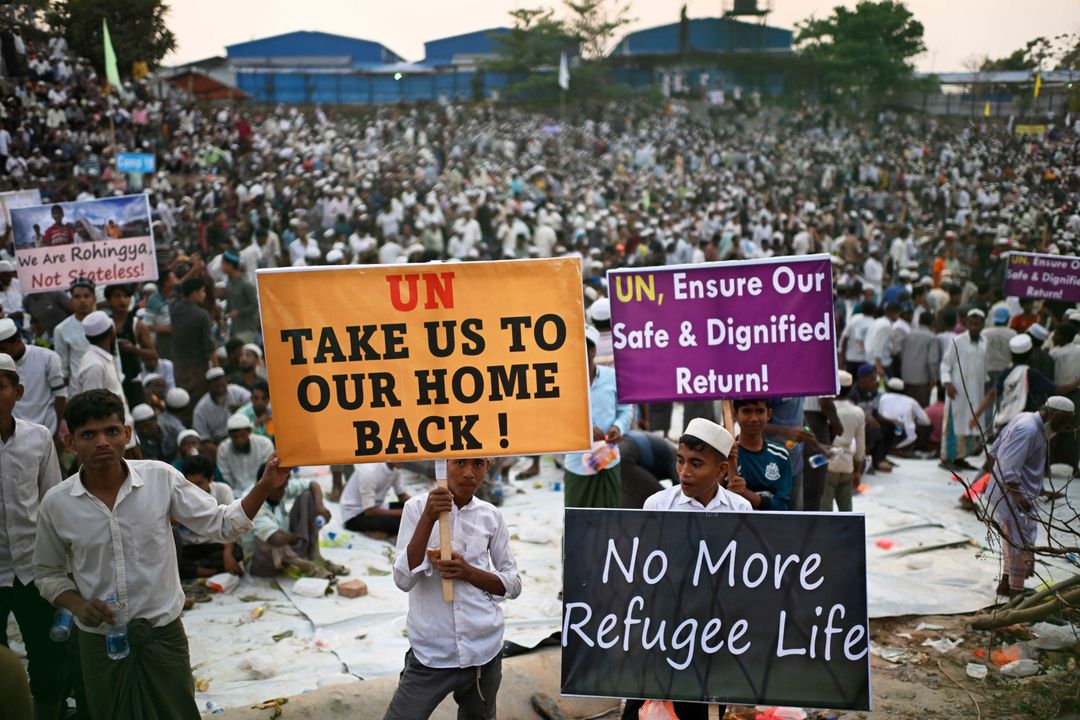
The International Court of Justice (ICJ) found Myanmar responsible for committing genocide against the Rohingya Muslim minority last week in a landmark ruling marking a major moment in the community's decades-long struggle for justice.
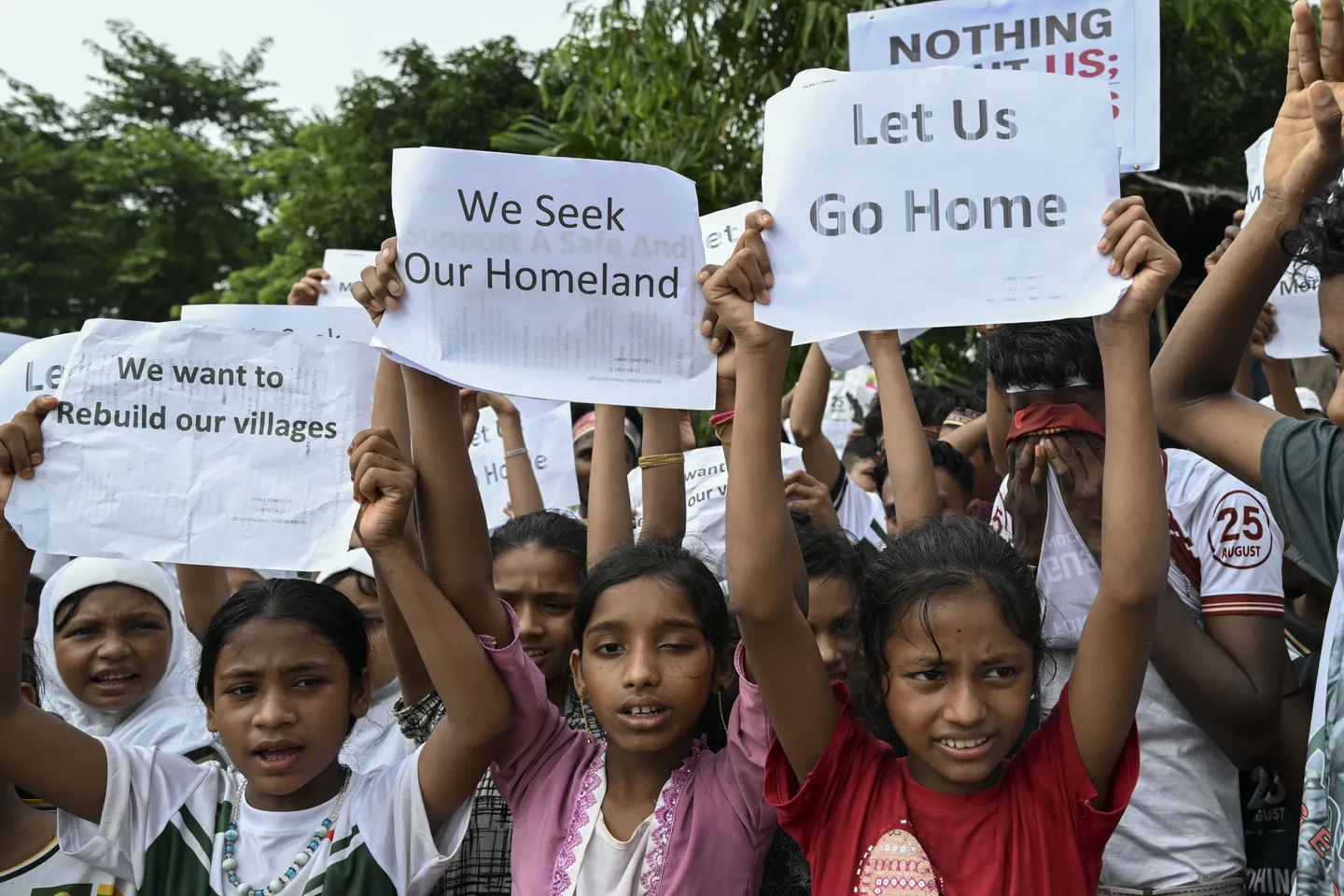
The UN's top court ruled that Myanmar violated the Genocide Convention through genocidal acts against the Rohingya in northern Rakhine State, ordering it to investigate and punish those responsible, provide reparations and take measures to prevent similar crimes. It also called for the safe, voluntary and dignified return of displaced Rohingya and the reunification of families.
The judgment is also a landmark for The Gambia, a small West African country that brought Myanmar before the world's highest court in 2019. Its initiative proved the growing role of African states in using international law to challenge impunity for mass atrocities, including those committed by governments far beyond their own borders.
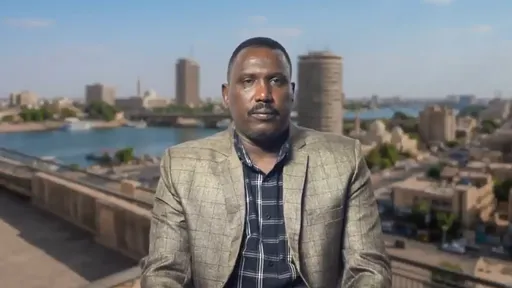
The Gambia’s initiative reflects a broader shift in the way African countries position themselves within the international justice system, according to Dr Ensar Kucukaltan, an Africa expert and founder of Voice of Sahel, a platform covering African affairs.
“It is hardly surprising that the painful experiences African countries endured during the colonial era serve as a historical point of reference in their responses to similar crimes committed elsewhere in the world today,” Kucukaltan tells TRT World.
“Countries such as The Gambia and South Africa have demonstrated their willingness to act beyond the political preferences of major powers. The determination they have shown in pursuing international justice is significant enough to earn them a distinguished place in history,” he adds.
In November 2019, The Gambia accused Myanmar of violating the 1948 Genocide Convention through its treatment of the Rohingya Muslim minority.
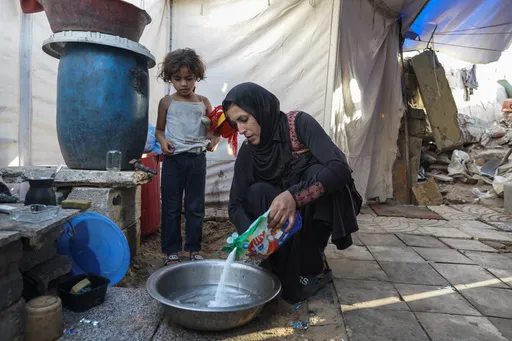
The case followed Myanmar's 2017 military crackdown in Rakhine State, which forced more than 700,000 Rohingya to flee to neighbouring Bangladesh amid mass killings, sexual violence and the destruction of villages.
UN investigators documented evidence of genocidal acts and called for senior military officials to face prosecution.
Gambia's intervention was significant because it was neither directly affected by the atrocities nor geographically connected to Myanmar. Instead, it invoked the principle that every state party to the Genocide Convention has a legal interest in preventing and punishing genocide, regardless of whether it has suffered the crimes itself.
Gambia's decision also speaks to broader, sometimes competing, views on international justice and the role African states should play in shaping it, according to Dr Andrea Maria Pelliconi, Assistant Professor in Human Rights Law at the University of Southampton.
“The initiatives by The Gambia and South Africa are first and foremost informed by their own histories and experiences. Both countries have particular historical reasons to attach importance to the prohibition of genocide and the broader project of preventing mass atrocities,” Pelliconi tells TRT World.
“But I also see them as part of a growing recognition that Global South countries are not merely passive subjects of international law, but rather they can, and should, actively contribute to shaping its direction and holding all states accountable,” she adds.
From Myanmar to Gaza
Gambia's initiative was followed by another major legal challenge from the African continent. In December 2023, South Africa filed proceedings against Israel at the ICJ, accusing it of violating the Genocide Convention through its massacres of Palestinians in Gaza.
South Africa argued that Israel's actions, including mass killings, widespread destruction and the deprivation of essential conditions for Palestinian survival, amounted to genocidal acts.
In January 2024, the court ordered Israel to take measures to prevent acts prohibited under the Genocide Convention against Palestinians in Gaza, preserve evidence and prevent and punish direct and public incitement to genocide.
These initiatives are significant because they demonstrate that African states can be agents in shaping and applying international law, according to Pelliconi.
“There is a longer tradition of African and other Global South countries using the ICJ to resolve international disputes, including disputes with important human rights and humanitarian dimensions,” Pelliconi says.
“There have been 37 ICJ cases involving African countries and 2/3 of these have African countries on both sides (applicant and respondent), so it's clear that African countries do regard the ICJ as an avenue to pursue justice and dispute resolution,” she explains.
“The African Union is actively organising efforts to promote a request for an ICJ advisory opinion on the issue of reparations for slavery, so that indicates once again that African states view the Court as a viable avenue for global justice.”
The ICJ has yet to issue a final judgment in South Africa’s case on whether Israel committed genocide against Palestinians in Gaza.
Nevertheless, South Africa's decision to bring the case challenged the perception that international legal action against powerful governments is beyond the reach of countries with less geopolitical influence.
Both cases also underline the importance of the Genocide Convention's provisions allowing states to bring disputes before the ICJ, even when they are not directly affected by the violations.
Although these initiatives cannot be regarded as representing a common policy among all African countries, they show that African states are increasingly capable of becoming active participants in shaping the international legal order, according to Kucukaltan.
“The fact that a country like The Gambia, with relatively limited economic and military capabilities, can initiate legal proceedings against Myanmar demonstrates that power in the international system cannot be measured solely in economic and military terms.”
“South Africa’s case against Israel, meanwhile, shows that even states enjoying the political and military backing of major powers can have their legal responsibilities questioned under international law,” Kucukaltan adds.
He adds that many African countries’ fundamental objection is not to prosecuting Africans, but to the unequal application of international law.
An African approach to accountability
African efforts to pursue justice have also extended beyond cases against other states. In Senegal, the Extraordinary African Chambers, established through an agreement between the Senegalese government and the African Union, prosecuted former Chadian president Hissene Habre for crimes committed during his rule between 1982 and 1990.
In May 2016, Habre was convicted of crimes against humanity, war crimes and torture, including sexual violence, and sentenced to life imprisonment.
The trial was particularly significant as the first time an African court had prosecuted a former head of state for international crimes. It also showed that African institutions could develop their own mechanisms to pursue accountability for atrocities committed on the continent.
This push for accountability comes amid growing disillusionment with Western countries, which have traditionally positioned themselves as leaders in promoting international law and justice, according to Pelliconi.
“Western states have historically presented themselves as civilisational champions of the international legal order, but their selective engagement with international justice, and their reluctance to hold allies accountable, have increasingly undermined that credibility, including Europe's silence and the US's open hostility towards international accountability mechanisms,” Pelliconi says.
“This gap creates an opportunity for Global South countries to step forward,” she adds.
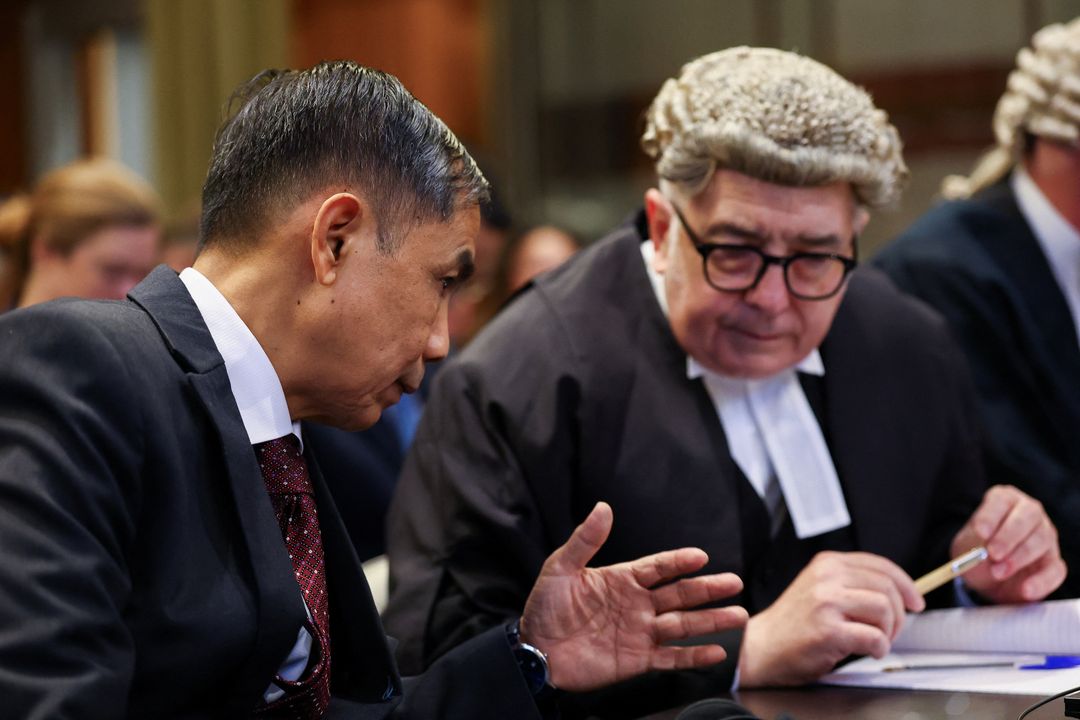
Limits of international justice
The cases demonstrate how African countries can use international law to challenge impunity, but bringing a case before an international court is only one part of the fight for accountability.
The ICJ has no independent enforcement arm, and its judgments ultimately depend on states and the wider international system to implement them. Even a favourable ruling does not automatically bring perpetrators to trial or secure justice for victims.
The gap between legal rulings and their implementation is particularly difficult to bridge when governments accused of grave violations enjoy the political and military backing of powerful states.
As long as the political interests of major powers take precedence over international legal obligations, the effective implementation of international law will remain a major challenge, according to Kucukaltan.
“The genocides in Gaza and Sudan have been unfolding in full view of international institutions. In 1994, international institutions were also present in Rwanda, yet they failed to prevent the genocide.”
“When international crimes go unpunished or are not met with timely and proportionate consequences, the conditions for their recurrence persist. If the institutions of the international system fail to function effectively, tomorrow we will be discussing similar atrocities in other countries,” Kucukaltan says.
The challenge, then, extends beyond securing legal judgments. It is also about ensuring that international law is applied consistently, regardless of the political and military influence of the governments accused of violating it.
Pelliconi cautions against assessing the significance of these cases solely by whether they lead to immediate compliance or reparations, while acknowledging the enforcement challenges.
“These proceedings already achieve a great deal - they establish an authoritative legal and historical record, clarify the applicable legal obligations and give recognition to victims and their experiences.”
“This recognition can have implications for the treatment, status and protection of victims in third countries,” Pelliconi says.
“There are also obligations on third states, like the duty to prevent genocide and not to aid or assist in maintaining situations created by serious breaches of international law.”
“For law abiding countries, this should translate into concrete measures, including reviewing and severing arms transfers, military cooperation and other forms of economic engagement, as well as considering targeted sanctions and other measures to exert pressure on the states concerned,” she explains.