Swiss foreign direct investment in Türkiye surpassed $1 billion over the past two years as bilateral trade reached $17 billion in 2025, a senior business representative told Anadolu.
Speaking on the sidelines of the 20th Swiss-Turkish Economic Forum in Istanbul, Arpat Senocak, president of the Swiss Chamber of Commerce in Türkiye, said Swiss capital has expanded employment and strengthened manufacturing.
He noted that these investments generate wider economic activity across suppliers, logistics firms, service providers and other business partners.
Excluding volatile gold flows, bilateral trade between Switzerland and Türkiye reached $5 billion, Senocak said.
He added that trade is expected to expand in high-value-added categories, including machinery and equipment, electrical technologies, chemicals, pharmaceuticals, food and advanced industrial products.
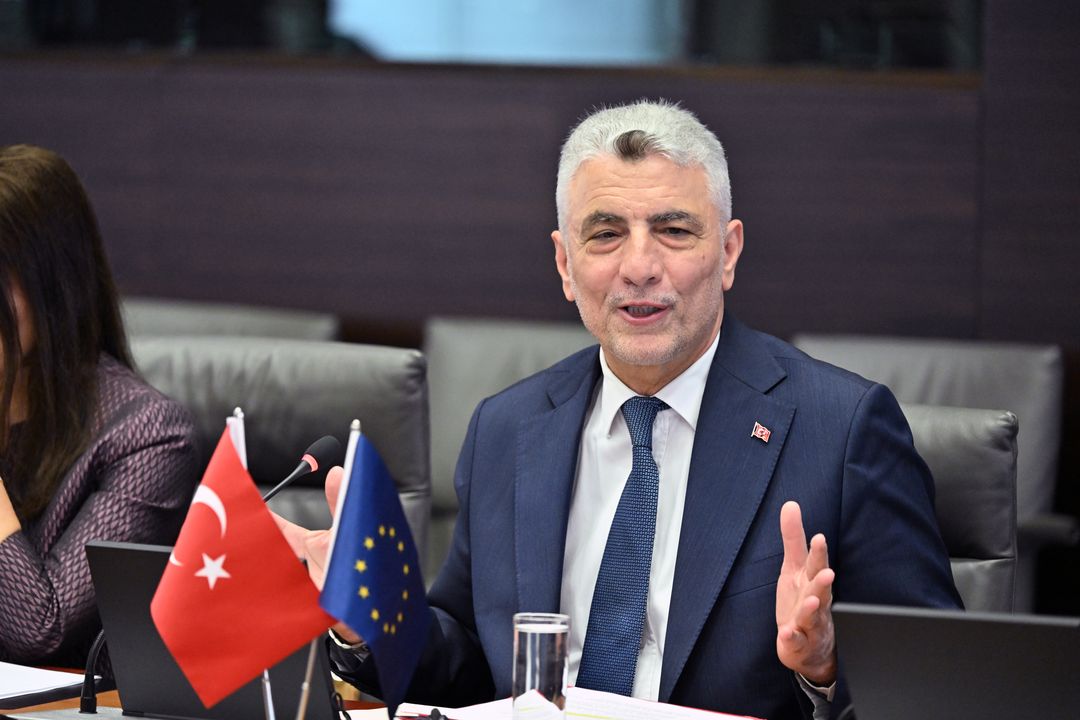
“Joint technologies, production projects and other collaborations in global markets are also becoming increasingly important in economic relations; the economic structures of Türkiye and Switzerland complement each other across sectors,” he said.
Senocak stressed that Swiss companies’ interest in Türkiye remains strong through new production investments, plant expansions and corporate acquisitions.
“There have been some concrete developments in food, energy infrastructure and speciality materials for industry in particular,” he noted.
While many Swiss firms have operated in Türkiye for years, Senocak identified financing conditions and economic predictability as key factors driving their growth potential and project execution.
He said global companies now focus not only on low-cost production but also on supply security, market proximity, production flexibility and resilience against geopolitical risks.
These priorities are prompting firms to reassess their supply networks, often by building additional capacity in different countries or developing alternative suppliers, he noted.
“Türkiye boasts massive advantages in this area with its industrial ecosystem that has been working alongside European industry for many years and its advanced technical production capabilities alongside familiarity with global standards,” he said.
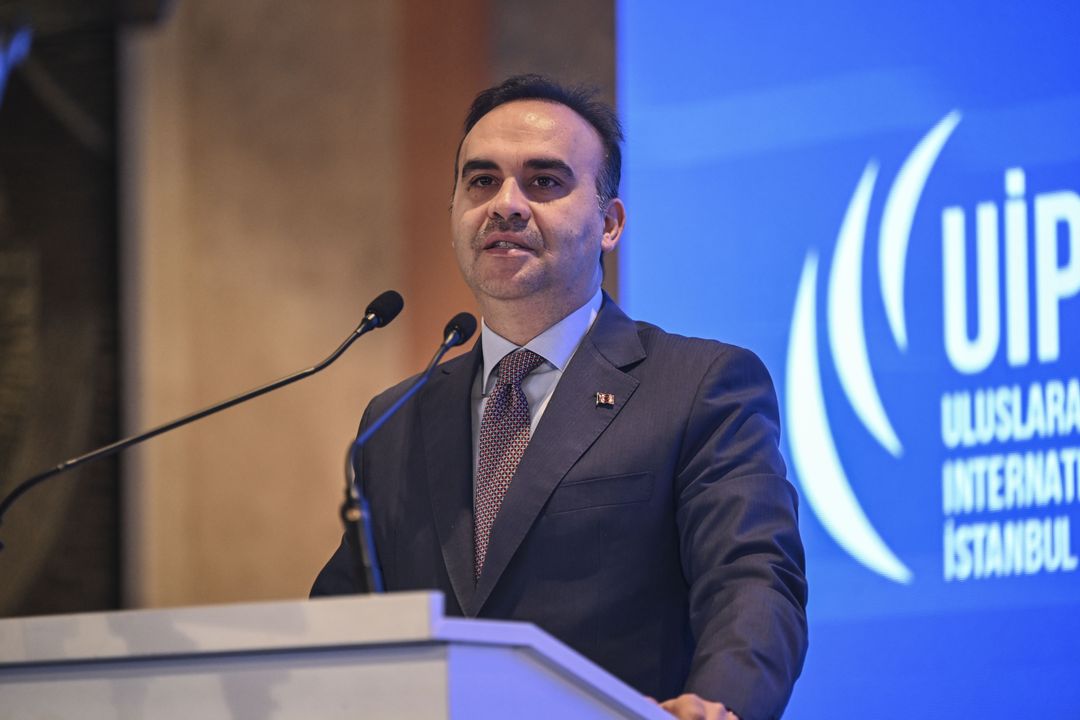
“I think Türkiye could play a key role in European efforts to boost the bloc’s industrial capacity and economic resilience,” he noted.
“If the new industrial policies that the bloc is currently discussing strengthen existing integration rather than excluding Türkiye, this would be mutually beneficial,” Senocak said.
“Amending the Türkiye-EU Customs Union would also be a key opportunity,” he added.
Senocak said advancing economic stability and building lasting confidence for long-term planning are essential for both foreign and domestic firms.
He pointed to life sciences as a prime area for deeper bilateral co-operation, spanning innovative medicines, clinical trials, research and development, and high-tech manufacturing.
He added that Switzerland’s strengths in turning scientific research into commercial value, university-industry collaboration and technology complement Türkiye’s manufacturing base, start-up ecosystem and growing innovation.