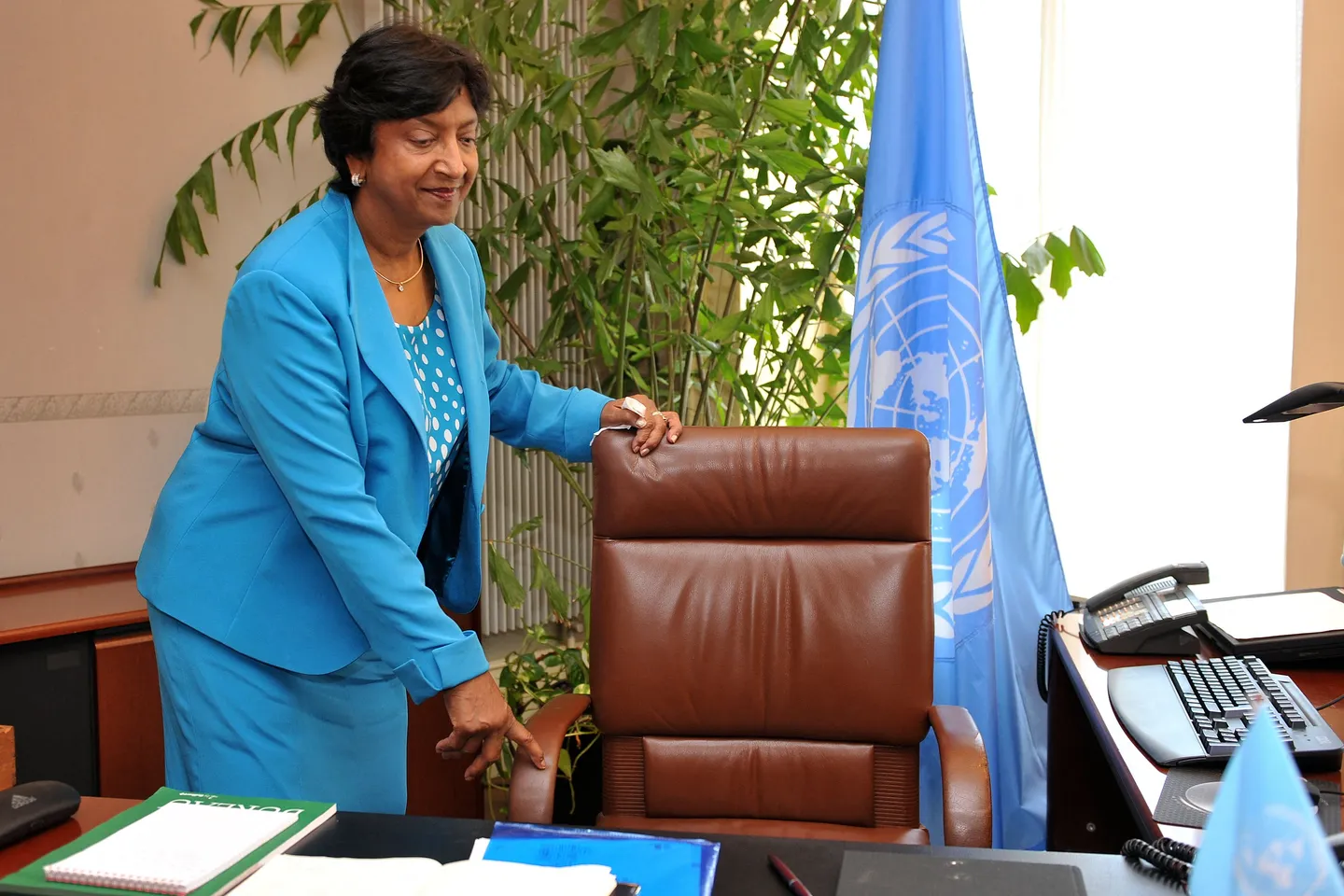
South African jurist Navi Pillay, the 2026 Nobel Peace Prize winner, has dedicated her award to survivors of international crimes and called on world leaders to uphold international law and protect human rights.
“Let me dedicate this award to all of the survivors of international crimes,” Pillay told a news conference on Friday in the historic courtroom in Nuremberg, Germany, where Nazi leaders were prosecuted after World War II.
The 85-year-old said the setting held particular significance as she received news of the award.
“Perhaps it was meant to be that I was in this historic courtroom ... when the announcement was made and I was informed of the award,” she said.
Pillay, who has spent decades working in international justice, warned that legal institutions and human rights protections were facing growing political pressure.
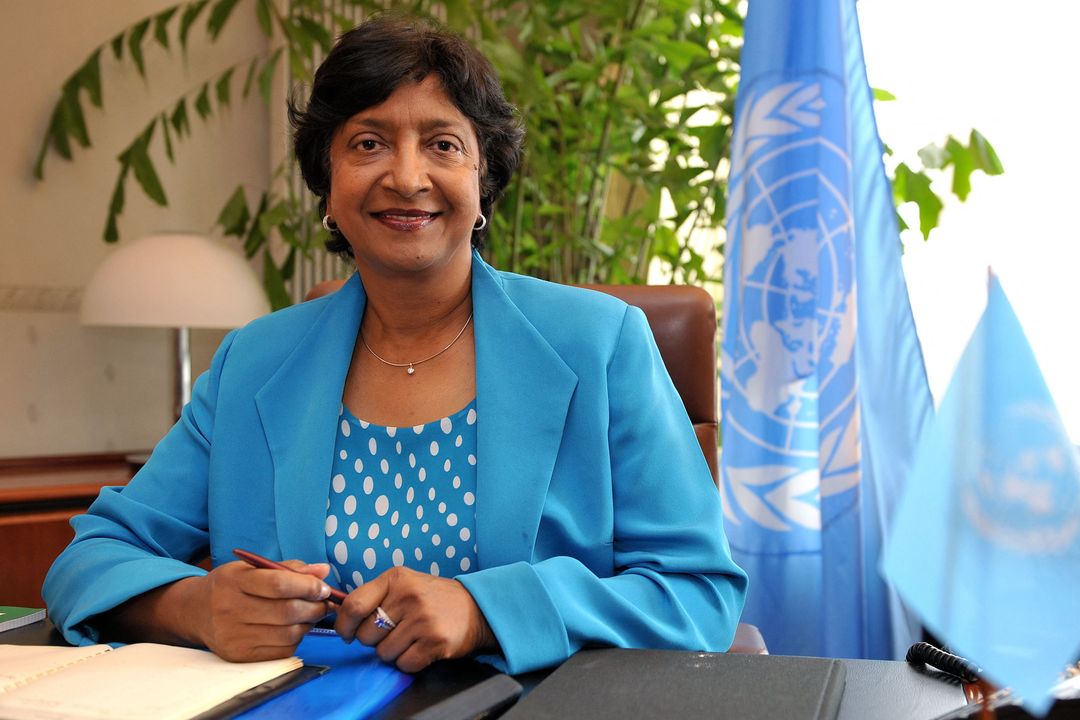
Pillay warns against attacks on international courts
“We are living through an era when international law and human rights are under significant political attack,” she said, pointing in particular to criticism of the International Criminal Court (ICC).
“This worsening reality is particularly visible with the attacks on the International Criminal Court,” she added.
US President Donald Trump last month urged countries that are members of the ICC to withdraw, denouncing the court as a “rogue institution.”
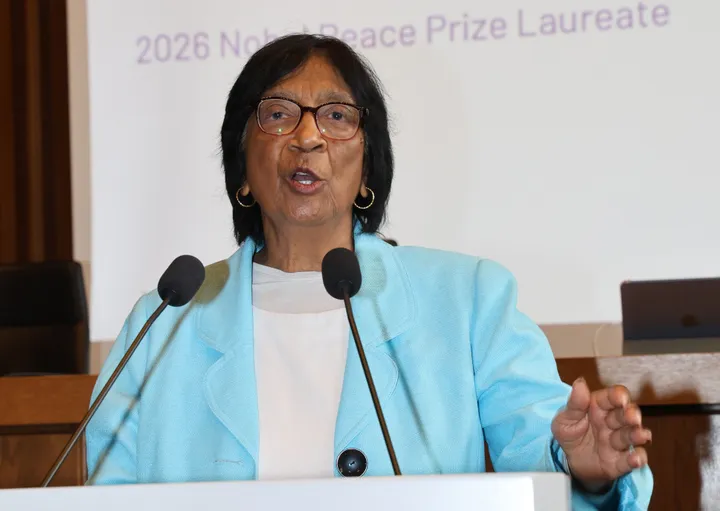

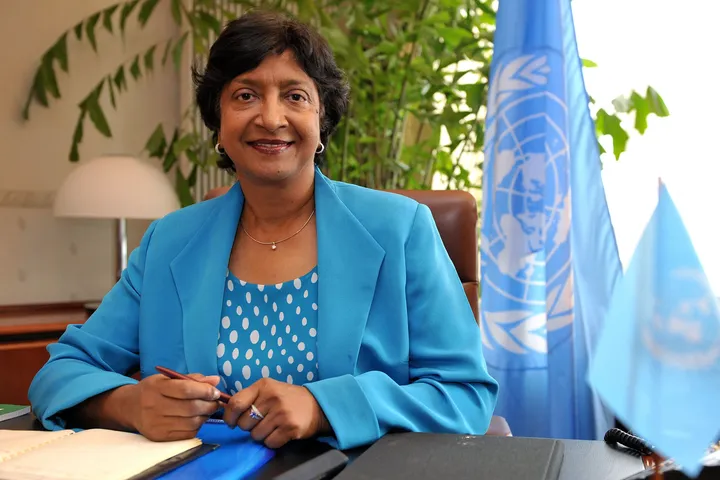



Pillay called on political leaders to respect their legal responsibilities and avoid actions that undermine international protections.
“My message to leaders, political leaders, is that ... you have a legal obligation to protect human rights and refrain from war,” she said.
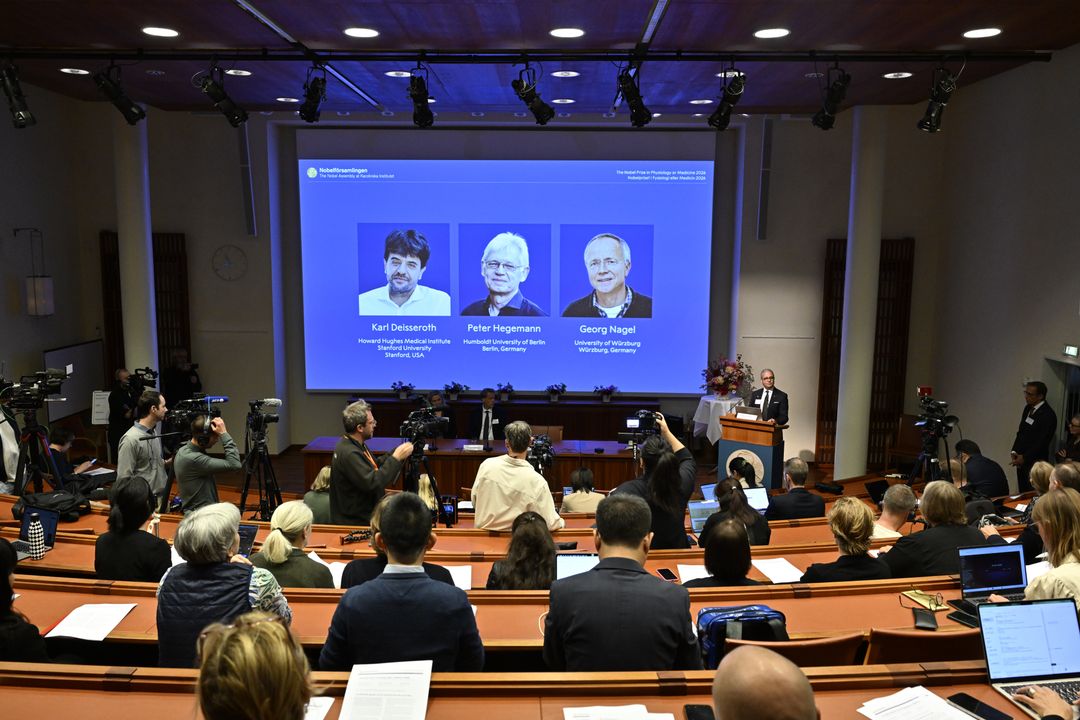
A career shaped by international justice
Pillay has held several prominent roles in international law. She headed the International Criminal Tribunal for Rwanda, which prosecuted those responsible for the 1994 genocide, and currently serves as a judge at the International Court of Justice (ICJ).
She is also serving in a case in which Myanmar faces allegations of genocide against the Rohingya minority.
Pillay previously presided over a United Nations commission that concluded last year that Israel had committed genocide in Gaza.
Her award comes amid continuing international debate over the enforcement of international law, the accountability of states and the independence of judicial institutions.
Pillay used her Nobel recognition to reiterate that protecting survivors and upholding human rights must remain central responsibilities for governments worldwide.