 Maleiha Malik
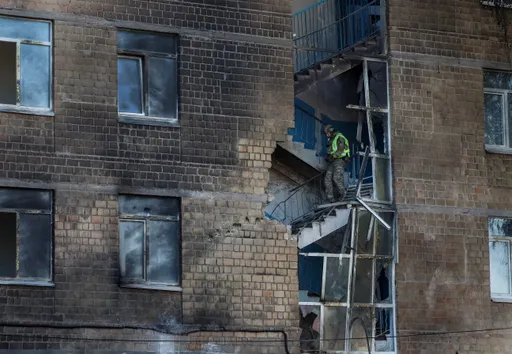
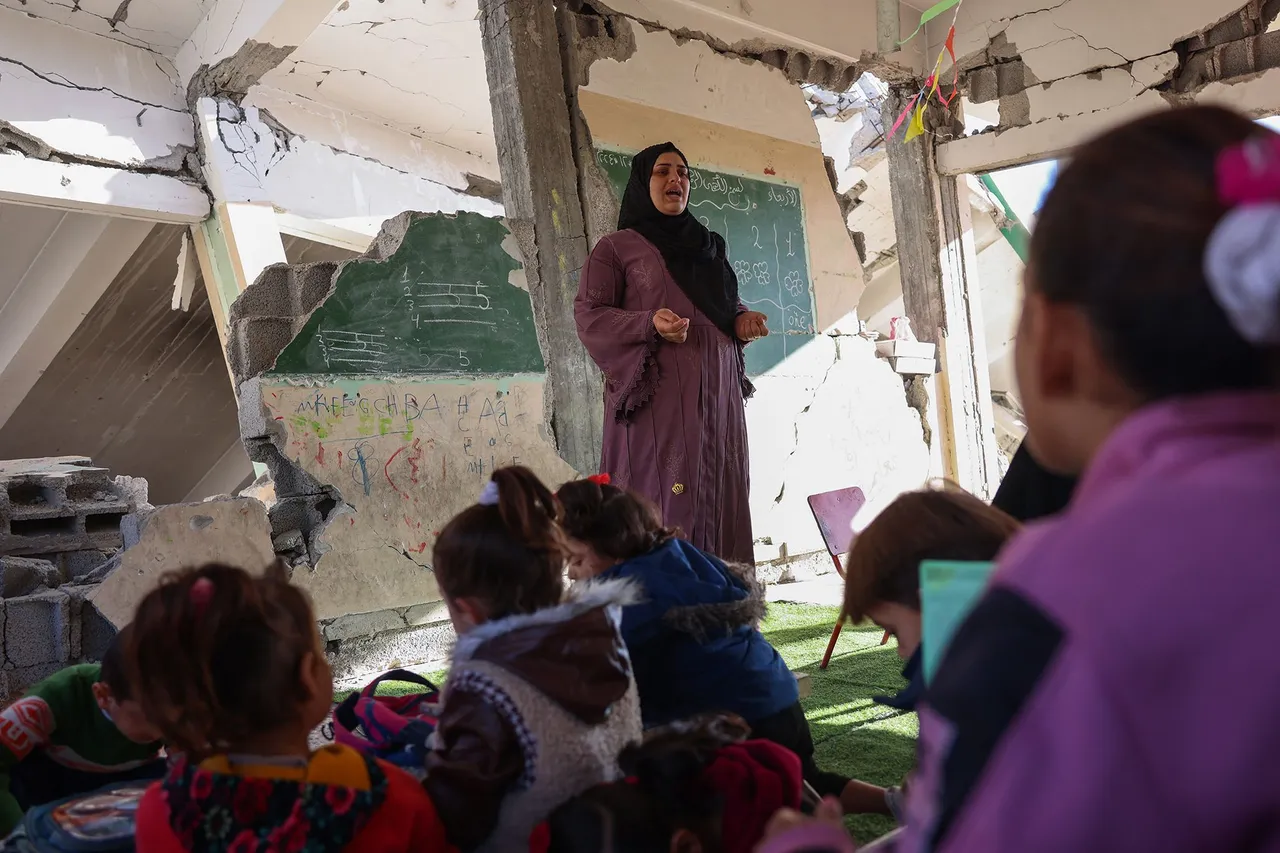
The International Day of Education, observed on January 24, provides an opportunity to reflect on the year just gone by and focus on the challenges ahead. In 2025, attacks on education continued across the world, leaving children and teachers vulnerable, destroying schools, and disrupting learning.
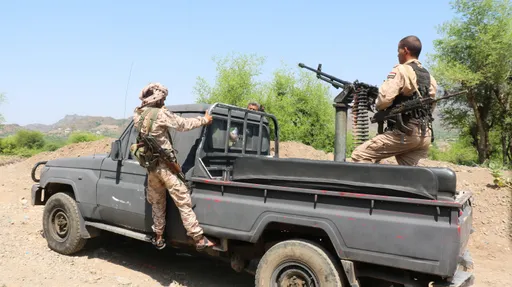
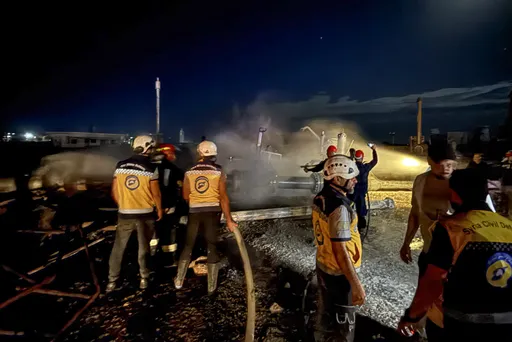
From Gaza to Sudan, Nigeria to Myanmar, and in Southeast Asia, schools are being targeted in situations of armed conflict. These attacks are not isolated incidents but part of a long-term pattern of violence against education.
In the ASEAN region specifically, 2025 ended with renewed clashes on the Thailand-Cambodia border. Fighting resumed on December 7 and continued through the end of the month, resulting in the closure of over 1,000 schools in both countries.
As children across the world returned to classrooms after the holiday season, thousands of students in the region have been forced to stay home, missing vital learning opportunities. The disruption to education is compounded by the destruction of school facilities and the risk posed to teachers and students in conflict-affected areas.
This situation is an urgent reminder that protecting education during armed conflict is first and foremost a core responsibility of governments. Under international humanitarian law, including the Geneva Conventions and their Additional Protocols, schools are considered civilian objects and must not be targeted.
Attacks on schools constitute violations of international law, and when deliberate, as seen in contexts such as Gaza, may amount to war crimes. National authorities bear the primary obligation to ensure that children can access education safely, even during conflict.
Beyond these legal protections, more than 122 states worldwide have reinforced their commitments through endorsement of the Safe Schools Declaration, a political agreement to prevent attacks on schools, protect students and teachers, and respond when violations occur.
While several ASEAN member states, including Malaysia and Vietnam, have endorsed the Declaration, others directly affected by conflict, such as Thailand and Cambodia, have not. Endorsement matters: it signals political will and helps translate international norms into military doctrine, domestic law, and operational practice.
In light of the significant impact of the recent Thailand-Cambodia conflict on education in border communities, ASEAN member states have an opportunity now to reaffirm their commitment to protecting children in conflict by endorsing the Declaration and ensuring its principles are reflected in regional cooperation mechanisms.
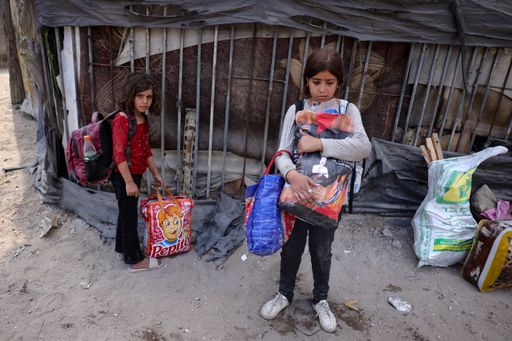
Education protection
The Thailand-Cambodia border clash also demonstrates the need to include education protection in peace negotiations. Too often, peace efforts focus narrowly on security or political arrangements, overlooking the impact of violence on children and civilians.
There are positive examples of a different approach. The 2016 Colombia Peace Agreement, for instance, explicitly recognised education as a foundation for peace and incorporated protections for schools into transitional justice and post-conflict recovery frameworks. Similar measures in ceasefire agreements, peace plans, and recovery strategies can help ensure that schools remain safe and operational, even amid instability.




Protecting education is not only a legal obligation; it is a long-term investment in stability and development. The ASEAN region has a large youth population, according to the ASEAN Youth Development Index. Young people constitute around 33 percent of the population and are a vital resource for economic, social, and cultural development.
Interruptions to education not only harm individual children but also limit the potential of entire communities and nations. Ensuring that children can safely access education supports long-term regional development and stability.
ASEAN already has mechanisms that can support this work, including the ASEAN Commission on the Promotion and Protection of the Rights of Women and Children (ACWC). By strengthening coordination among member states, ASEAN can improve monitoring of attacks on schools, support affected communities more rapidly, and promote best practices in protecting education during armed conflict.
In addition to endorsing and complying with international legal standards, governments must invest in preparedness and resilience measures for schools in conflict-prone areas. This includes safe evacuation plans, construction standards to protect school buildings, and contingency plans for continued learning if schools are disrupted.
Moreover, in areas where there is a risk of conflict, it is also important to have in place an accurate and comprehensive risk education plan. This plan must have in place measures to ensure that even as schools respond to the risk of an attack or conflict, they do not stay closed long after the risk has passed. This will ensure safety, minimise disruption, and allow students to return to learning sooner.
As 2026 begins, ASEAN states face both a challenge and an opportunity. The challenge is immediate: ensure that children in conflict-affected areas, such as along the Thailand-Cambodia border, can safely return to learning.
The opportunity is structural: reaffirm and strengthen legal and policy frameworks to prevent attacks on schools across the region. Endorsing international commitments such as the Safe Schools Declaration, integrating education protection into peace processes, and aligning domestic laws with international standards are practical steps that ASEAN governments can take to safeguard the rights of children.
For children living near conflict lines, these decisions are not abstract. They determine whether a classroom door reopens or remains locked months after fighting ends; whether a child returns to learning, or instead faces displacement, injury, or worse.
Education is a fundamental human right, and children must be allowed to learn, play, and develop in safety—even in times of conflict. The events on the Thailand-Cambodia border in late 2025 serve as a stark reminder that failure to act has real and lasting consequences, and that governments must do more to ensure schools remain places of protection, not targets of war.