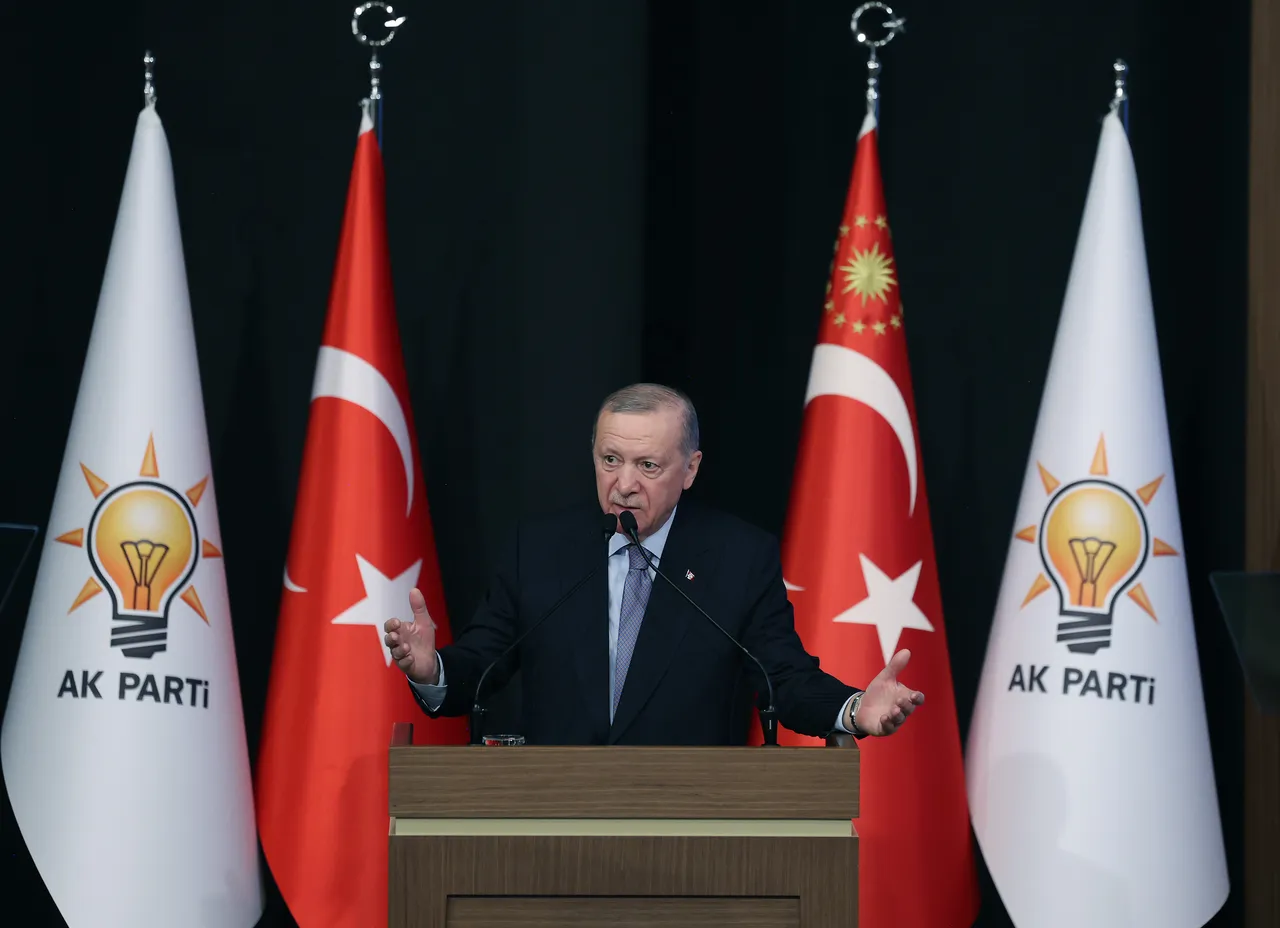
Türkiye supports progress in the Azerbaijan-Armenia peace process, President Recep Tayyip Erdogan told his Azerbaijani counterpart Ilham Aliyev in a phone call on Wednesday.
Erdogan said Türkiye and Azerbaijan continue to work together to achieve their goals through cooperation in all fields, particularly trade, Türkiye’s Communications Directorate said on Turkish social media platform NSosyal.
The president also congratulated Aliyev on his birthday and extended best wishes for the coming New Year.
Türkiye has been actively supporting renewed efforts to end decades of conflict between Armenia and Azerbaijan, particularly following recent diplomatic breakthroughs.
Broader rapprochement

Last August, leaders from Azerbaijan, Armenia and the United States signed a joint declaration in Washington aimed at ending hostilities, reopening transport links and normalising relations, steps that mark significant progress in a peace process long stalled by recurrent clashes and the Karabakh conflict.
Erdogan at the time welcomed the move, calling the “recent progress … gratifying” and saying that a lasting peace and stable environment would benefit the wider region, while reiterating Türkiye’s commitment to support the process.
Türkiye has linked its own normalisation efforts with Armenia to progress in the peace process, signalling that broader rapprochement in the South Caucasus would be facilitated by a formal peace treaty between Baku and Yerevan.
Erdogan and other Turkish officials have repeatedly emphasised Ankara’s desire to see peace, stability and increased connectivity — including transport corridors — across the region.