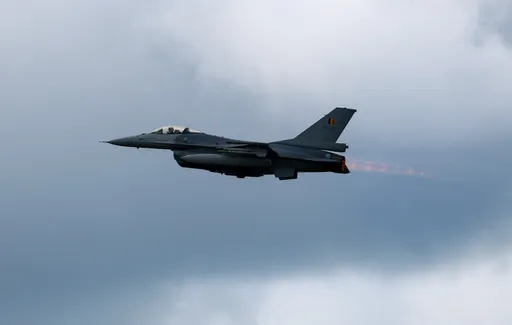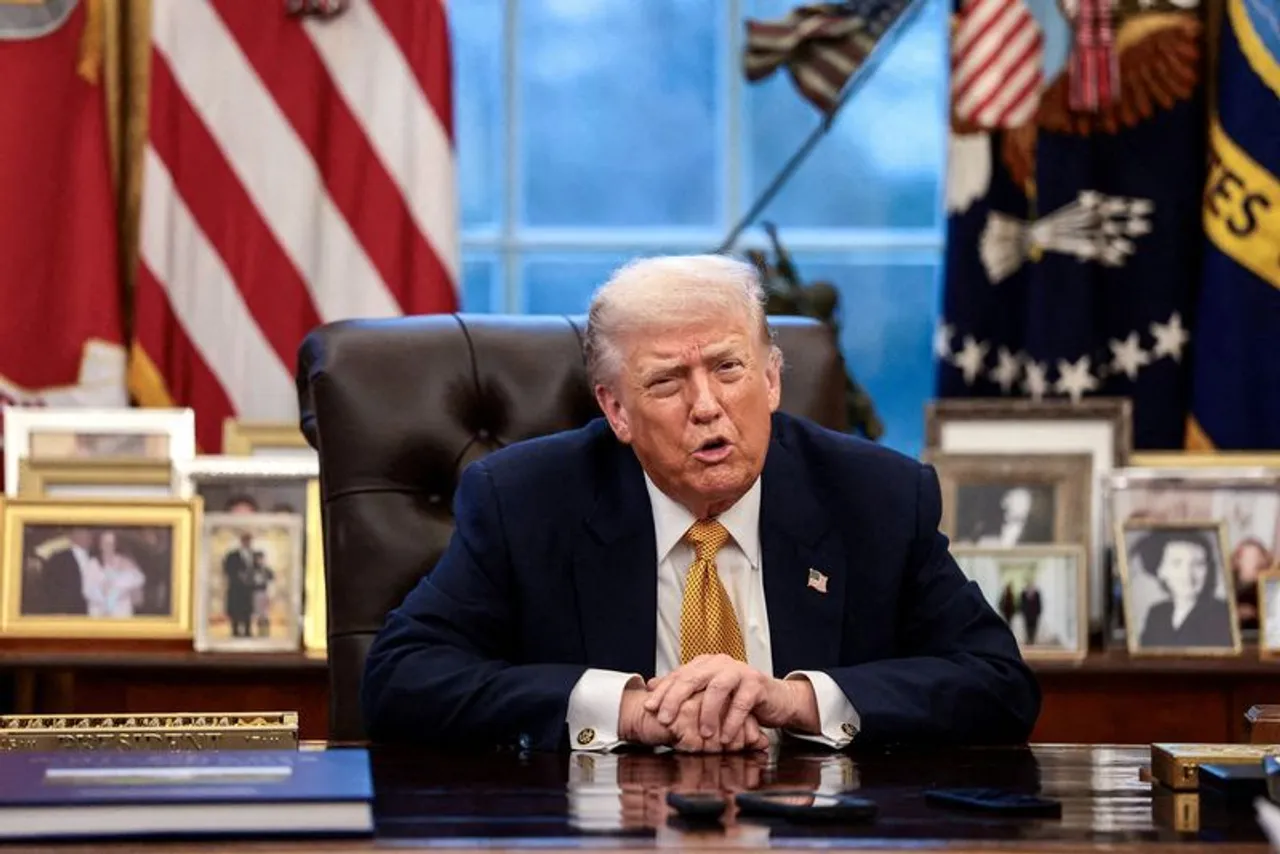
US President Donald Trump abruptly shelved planned military strikes against Iran after a last-minute convergence of diplomatic movement, logistical constraints, and resistance from key regional allies, Axios reported on Sunday.
According to US officials, the military was positioned to act swiftly following high-level discussions earlier in the week, and expectations across Washington and the Middle East were that an operation was imminent.
“It was really close,” Axios, citing one US official. “The military was in a position to do something really fast.”
But the strike order never came.
Officials said Trump had initially narrowed his options for targeting Iran, only to pause as complications emerged.
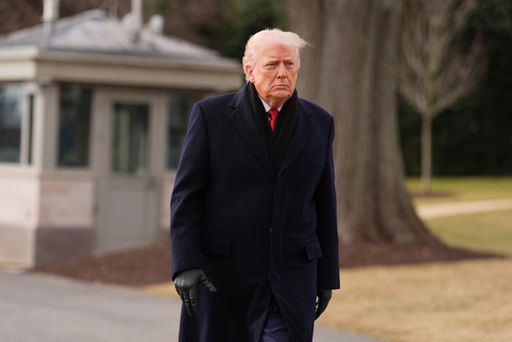
Redeployment of the army, diplomacy, warnigs by allies
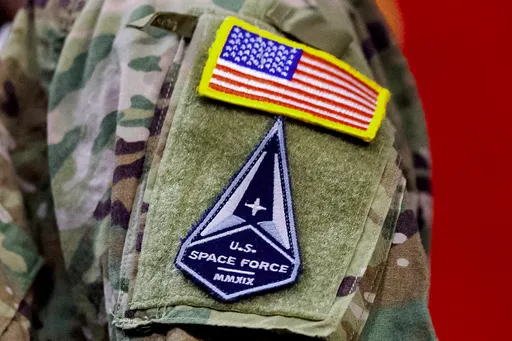
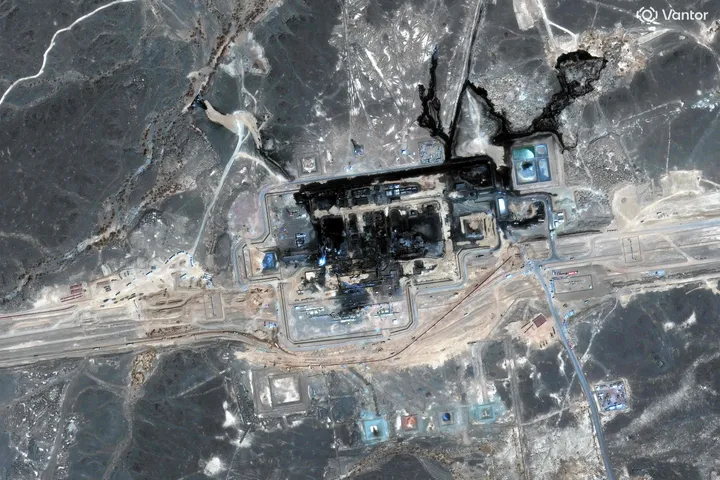
One major obstacle was the redeployment of US military assets toward the Caribbean and Asia, leaving commanders with limited capabilities in the Middle East. “The theater was not ready,” one official said, constraining viable military choices.
Diplomacy also played a pivotal role. A backchannel exchange between US envoy Steve Witkoff and Iranian Foreign Minister Abbas Araghchi reportedly shifted the calculus.
Araghchi messaged Witkoff early Wednesday, pledging to halt the killing of protesters and suspend planned executions tied to ongoing demonstrations in Iran.
At the same time, regional allies urged caution. Israeli Prime Minister Benjamin Netanyahu reportedly warned Trump that Israel was unprepared for potential Iranian retaliation and argued the proposed US plan lacked sufficient force.
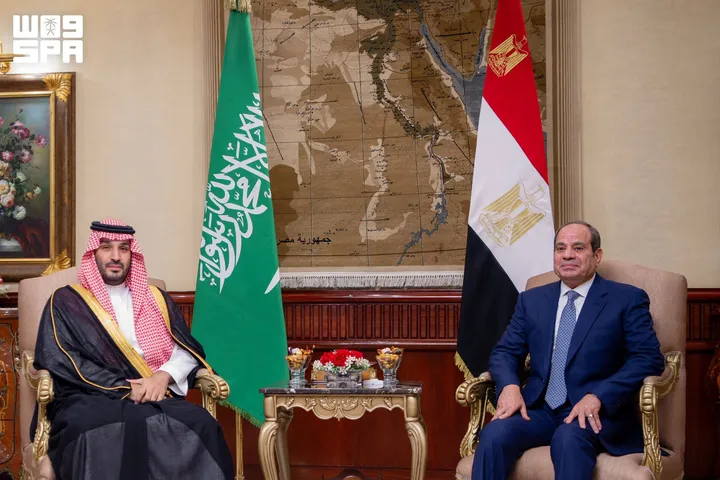
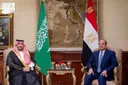
Saudi Crown Prince Mohammed bin Salman also raised concerns, warning that strikes could destabilize the region.
By Wednesday afternoon, US officials concluded the strike order would not be issued.
Trump has repeatedly voiced support for Iranian protesters and sharply criticised Tehran’s handling of demonstrations that erupted in late December over economic grievances.
He had previously warned that US military action remained on the table if Iranian authorities escalated violence against civilians.