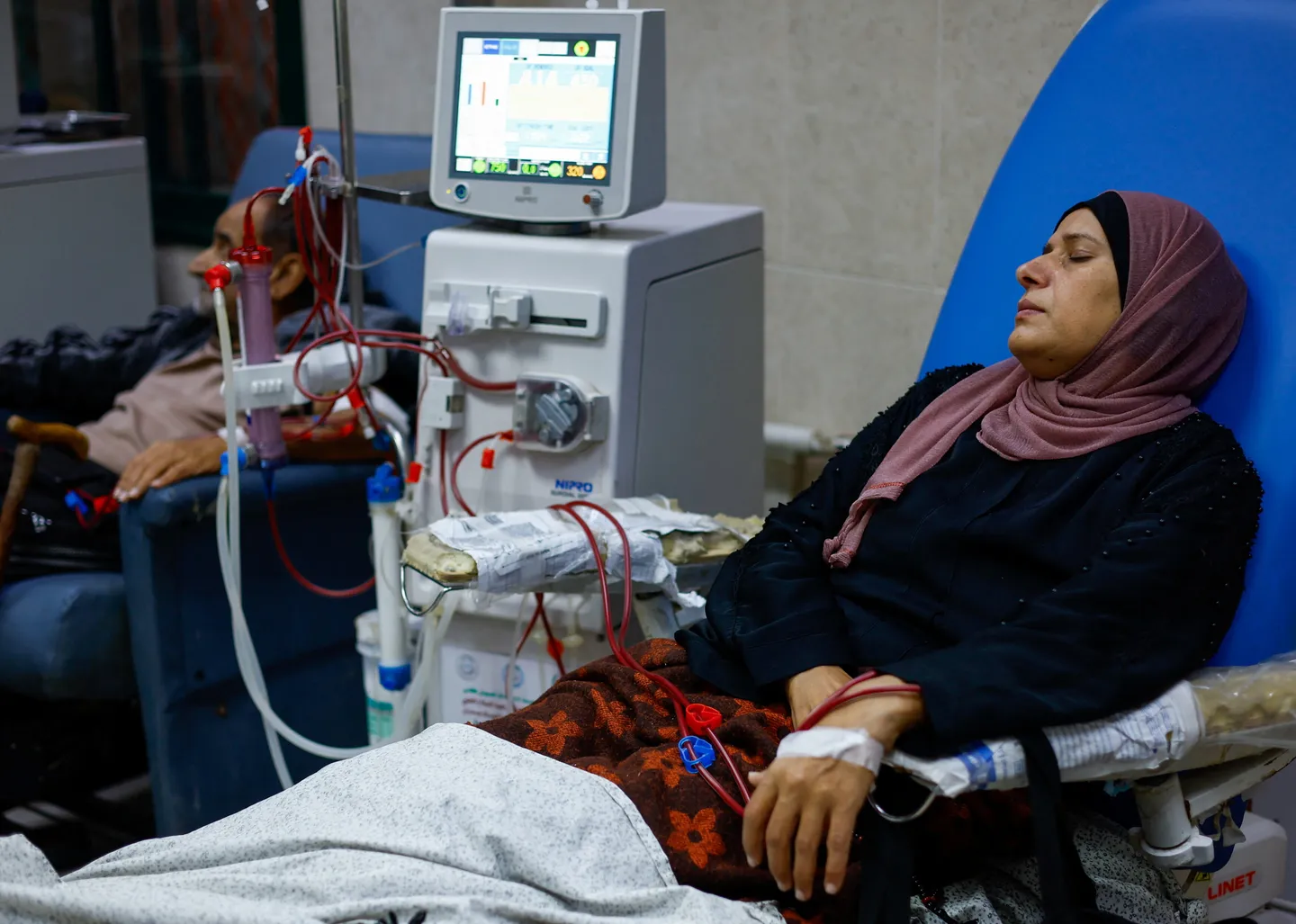
Palestinian cancer patients are dying at two to three times the pace they did before the start of Israel’s genocidal war on Gaza, as Israel blocks many from travelling for treatment after destroying the only local specialised facility, Palestinian doctors said.
Israel destroyed Gaza's specialised cancer hospital last year, leaving an estimated 17,000 Palestinians with cancer without a local option for chemotherapy or other advanced treatment.
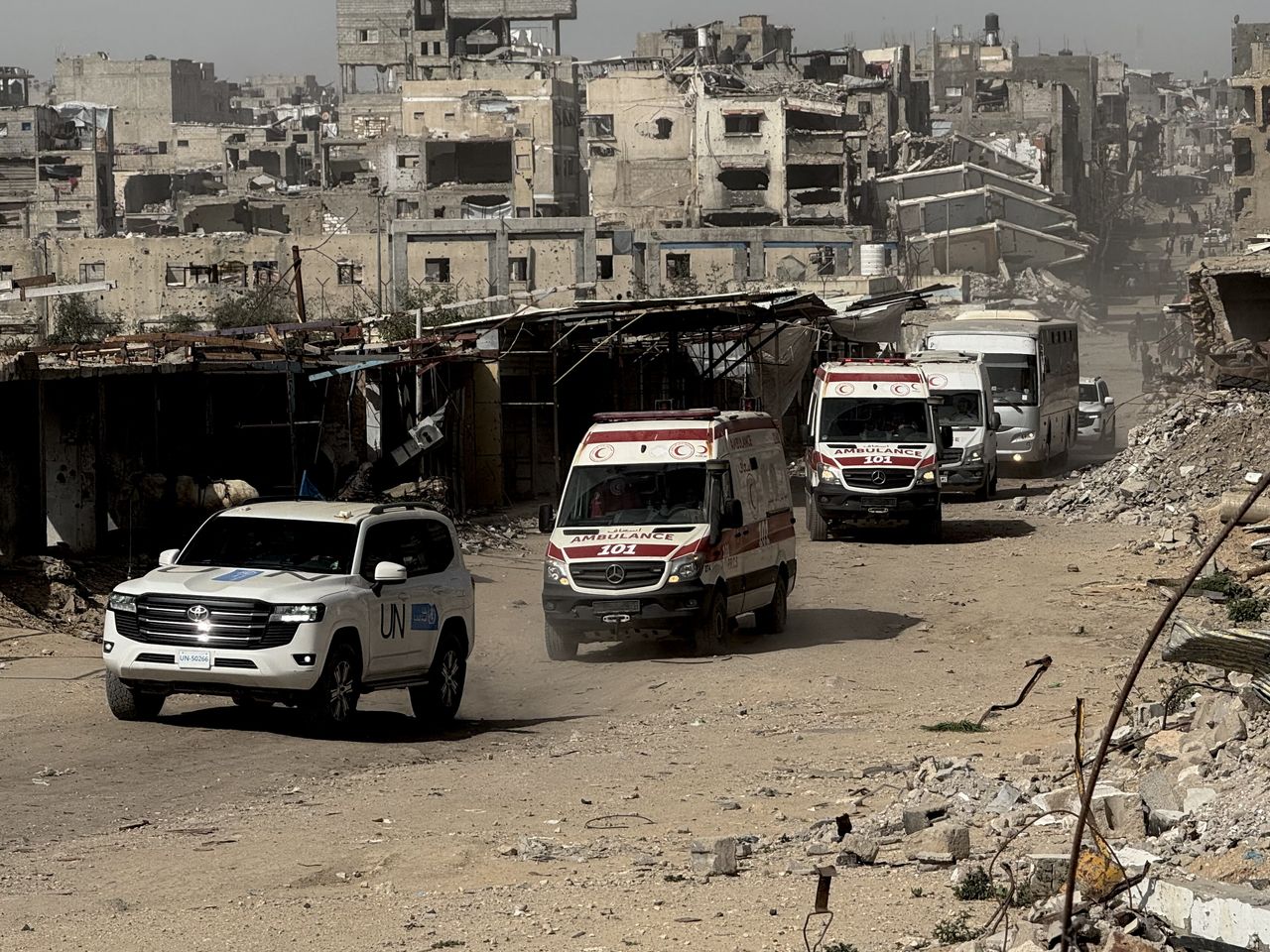
Few Palestinians can afford to travel for treatment, and those who can face Israeli restrictions. The military imposes strict caps on daily crossings to Egypt, despite a 2025 Israel-Hamas ceasefire deal that requires free movement in and out.
Asked for comment, COGAT, the Israeli military unit in charge of administering Israel’s occupation of the Palestinian territories, said it coordinates medical evacuations with the World Health Organization. To depart, Palestinians must have a valid request from a receiving country and pass "required security screening," COGAT said.
The WHO did not immediately respond to a request for comment.
Race against time
For Khuloud Abu Sahmoud, a Palestinian mother-of-two with advanced ovarian cancer, the wait for treatment abroad has become a race against time as her cancer spreads.
"Every day my disease progresses, and my condition is tragic. My fingernails have all fallen out — I have none left. I am just waiting to die."
Abu Sahmoud, 33, said she has been waiting to exit Gaza for treatment in Egypt or further afield since the ceasefire was struck last October. In that time, the cancer has spread to her lungs and bones, she says.
Palestinian health officials said 11,000 people, including patients, had gone through Rafah since it reopened, fewer than half the number that had been expected under the ceasefire deal.
A further 20,000 patients, including 5,000 with cancer, are registered for treatment abroad but not yet permitted to leave, the officials said.
Toxic chemical exposure
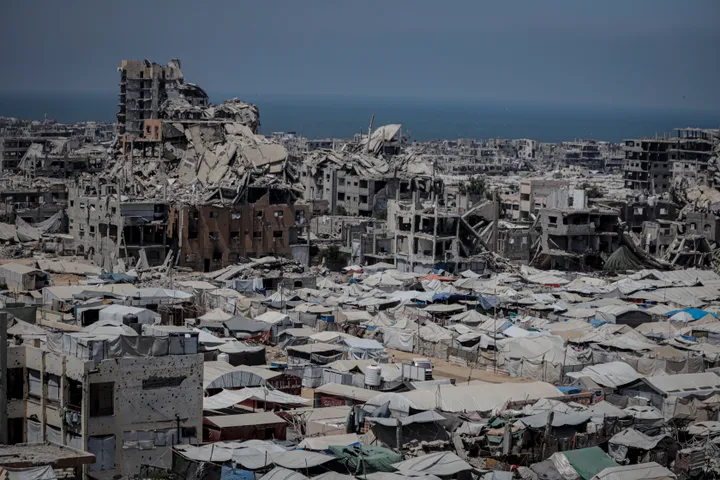
Despite the ceasefire, Israeli forces continue to occupy more than half of Gaza, with Israel having since expanded its ground invasion to around two-thirds of the territory. Nearly all of Gaza’s more than 2 million people have been confined to a narrow strip along the coast, mostly in makeshift tents or shelters in damaged buildings.
Before the war, local health services had made advances thanks to investment from abroad and persistence from local doctors, a Reuters investigation found.
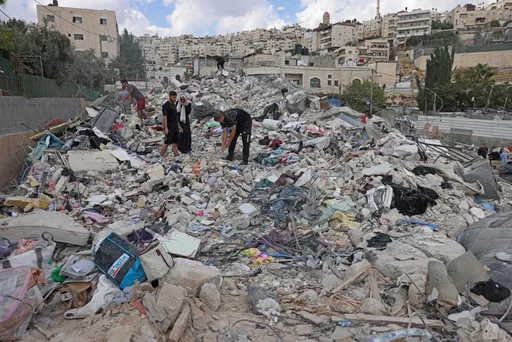
But most Gaza hospitals were destroyed or damaged by Israel during the war, and those that remain operational have been stripped of up to 70 percent of essential medical supplies, including those needed for cancer treatment and diagnostic services, doctors said.
Among those killed by Israel during the war were dozens of highly qualified specialists, including cancer experts operating in the Turkish-Palestinian Friendship Hospital, demolished by Israel in March 2025.
"We have been recording a significant number of deaths, ranging from three to five daily, because patients are not receiving the chemotherapy needed to save their lives," said Mohamed Abu Selmia, head of Gaza's biggest hospital, Al Shifa.
Sobhi Skaik, a Palestinian surgeon who was head of the Turkish-Palestinian Friendship Hospital, said the death rate before the war was about one to two per day. Some pre-war statistics put the figure at around 1.7 per day, he said.
He said the rising deaths were due mostly to an absence of local treatment and to border restrictions. But he also said that cancer itself may be spreading at a faster rate due to the presence of toxic materials from Israeli explosives dropped on Gaza.
There were some 11,000 registered cancer patients in Gaza before the war started, after which registrations largely stopped, Skaik said.
He estimated that another 6,000 Palestinians had likely developed cancer since.
"Some people can be treated if diagnosed in early stages, but they are wandering around the tents sick, unaware, and with no help," Skaik said.