Israel’s population growth fell below 1 percent in 2025, marking the first time since the country’s establishment in 1948 that annual growth has dropped so low, a new study by the Taub Center for Social Studies in Israel showed.
According to the study, the population grew by roughly 101,000 people, or about 0.9 percent — a sharp decline from growth rates above 1.5 percent recorded in most years since the 1950s.
The slowdown stems from a combination of rising deaths, declining fertility rates across the Jewish population and Palestinian Israelis, and negative net migration, with more people leaving Israel than entering.
In the report, Professor Alex Weinreb, Taub Center Research Director, described the trend as “historic” and said it reflects an ageing population, particularly in both Jewish and Palestinian communities inside Israel, alongside continued declines in fertility.
Even though the study focuses on Israel and not the occupied territories, it is significant. For years, Israeli far-right leaders have used the spectre of Palestinian Israelis and Palestinians in the occupied territories having more babies to stoke up hatred.
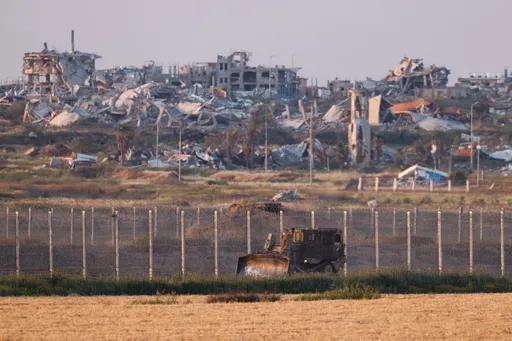
Israel faces accusations of genocide for its brutal war in Gaza, where its forces have killed more than 71,000 Palestinians since 2023. Multiple human rights groups now openly say that Israel is an apartheid state, which wants to expel the Palestinians.
The study notes that while life expectancy remains high — 83.7 years in 2023 — the absolute number of deaths is rising as large age cohorts reach their 70s and 80s.







More people leaving than arriving
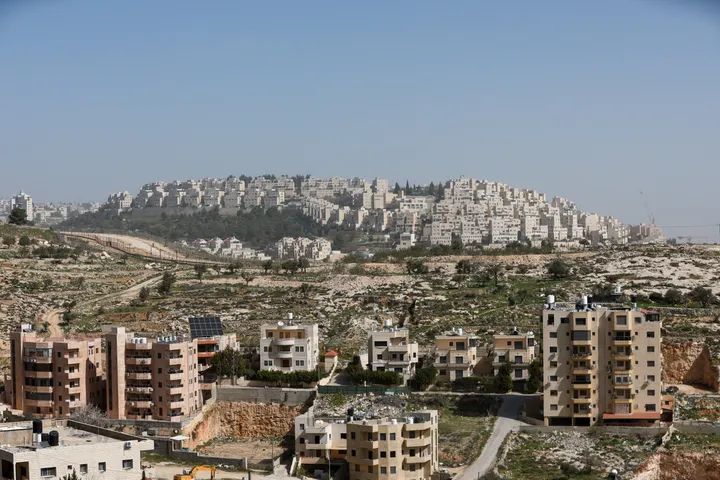
Negative migration was identified as a key factor in the study. In 2024, net migration turned negative for the fourth time this century, with 26,000 more people leaving than arriving. The trend is expected to continue in 2025, potentially reaching a net loss of 37,000.
A recent poll by the Israel Democracy Institute found that more than one in four Israelis are considering leaving the country, with 30 percent of Palestinian Israelis and 26 percent of Jewish Israelis saying they might emigrate.
Secular and younger respondents were more likely to weigh moving abroad, driven by security concerns, political instability, the cost of living and worries about their children’s future.
Many of those considering leaving have no specific destination in mind, but the trend reflects deepening unease among Israelis amid wars and domestic pressures.
The Taub Center report warns that if these trends persist, Israel’s growth pattern could resemble that of European nations, with slower natural population increase and a growing reliance on immigration to maintain demographic expansion.
Analysts say the shift may have long-term implications for the economy, labour market, and social and political structures.