The EU has called the US announcement of imposing sanctions on the International Criminal Court "deeply regrettable," reaffirming its commitment to protecting the court's independence and operations.
"The European Union has been a constant supporter of the International Criminal Court (ICC). It is deeply regrettable that the United States has announced intentions to impose sanctions," the European Commission said in a statement on Friday.
The bloc pledged to work closely with the court to ensure it could continue operating effectively.
It also said it would cooperate with all 125 states party to the Rome Statute, the court's founding treaty, to safeguard its independence and "vital mission."
Noting that the sanctions would not take effect for another six months, the EU said there was still an opportunity for dialogue with Washington.
Backlash from Europe
Several European countries condemned the move, reaffirming their support for the court's independence and its role in prosecuting serious international crimes.
Denmark, Sweden, Austria and Portugal joined the EU, Belgium, Switzerland and the Netherlands in criticising Washington's decision.
"Denmark profoundly disagrees with the USA's decision to impose sanctions against the ICC, which will have enormous consequences for the court's work and for the investigation of the most serious international crimes," Danish Foreign Minister Lars Lokke Rasmussen said on X.
"Denmark confirms its unwavering support for the ICC," he added.
Swedish Foreign Minister Maria Malmer Stenergard said Stockholm regretted the US decision, stressing that Sweden and the EU stood firmly behind the court's role in ensuring accountability and justice for victims.
"Multilateralism and international institutions for ensuring accountability are needed more than ever at a time when violations of international law continue to cause immense suffering," she said.
Austrian Foreign Minister Beate Meinl-Reisinger described the sanctions as "another stage of escalation," saying they also called into question the sovereignty of states that established the court.
"We condemn these sanctions in the strongest possible terms," she said, pledging continued efforts by Austria and its partners to protect the court and its staff.
"Especially small states like Austria rely on international law applying to everyone, regardless of how large or powerful a state may be," she added.
Portugal also condemned the sanctions, saying they undermined the independent exercise of international justice and efforts to combat impunity for serious crimes.
It stressed that institutions defending international law must be able to fulfil their mandates without pressure or interference.





ICC rejects sanctions as 'assault on rule of law'
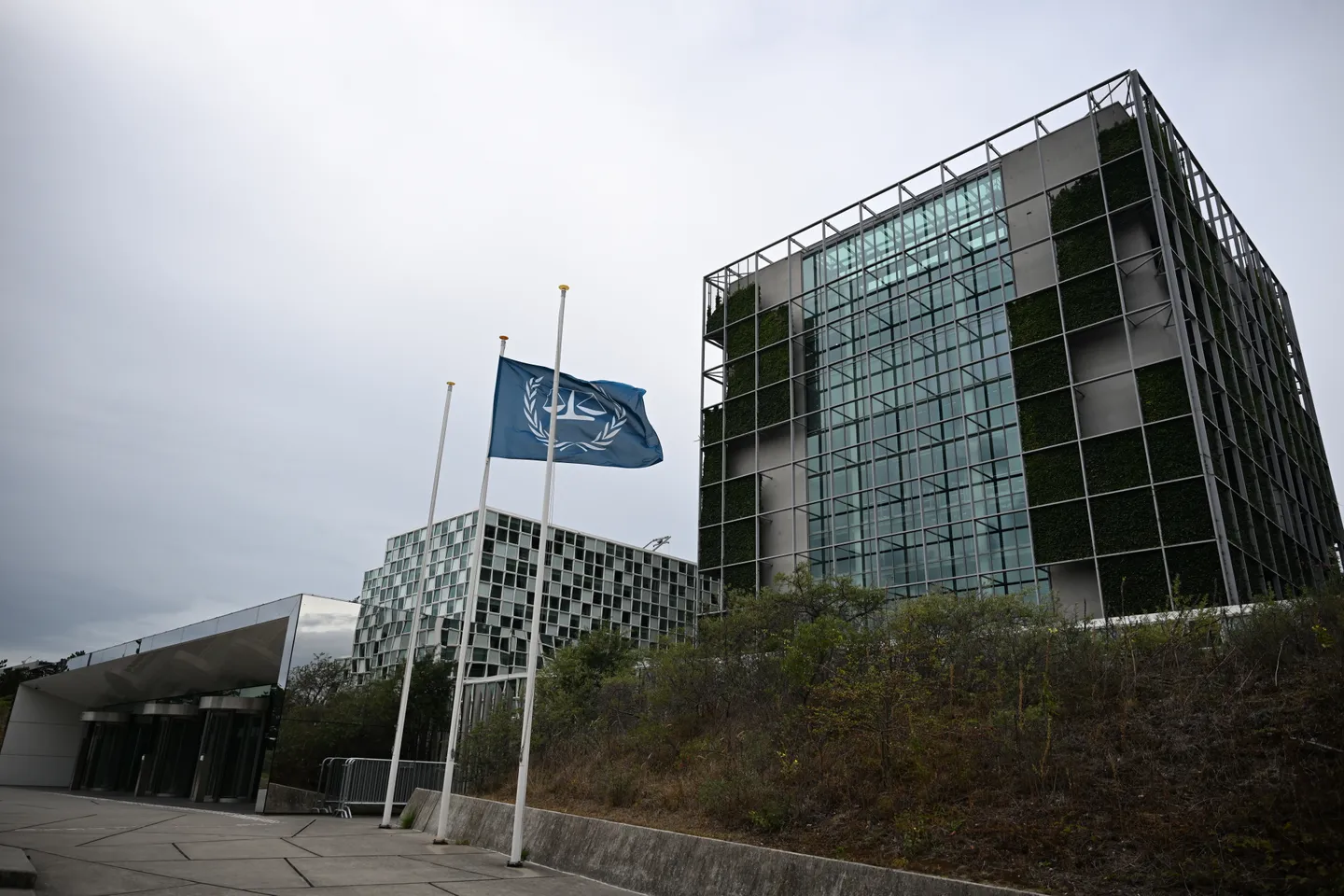
The ICC strongly rejected the sanctions, describing them as an attempt to obstruct justice and an "assault on the rule of law."
Court President Tomoko Akane said the institution would continue its work "with independence and impartiality."
The EU described Washington's announcement as "deeply regrettable" and said it was prepared to take measures to protect the court's operations.
The bloc also said the six-month period before the sanctions take effect offered an opportunity for dialogue.
European Council President Antonio Costa stressed that international justice must be defended, saying lasting peace required accountability.
Costa said the EU would take appropriate steps to protect the ICC and continue supporting the court and the Rome Statute system through political, diplomatic, financial and practical means.
Belgium called for the activation of the EU Blocking Statute to protect the court and those supporting its work.
Switzerland said it opposed "sanctions, threats or other measures" aimed at undermining the ICC's independence.
The Netherlands described the sanctions as an "undesirable new escalation" and pledged continued support for the court as its host country.
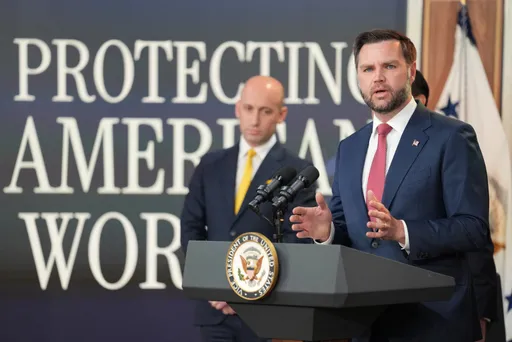
The reactions followed an announcement of sanctions against the ICC by US Secretary of State Marco Rubio.
Rubio said President Donald Trump would not allow the court to prosecute Americans and threatened to "end the ICC" unless it stopped what he described as its "threats."