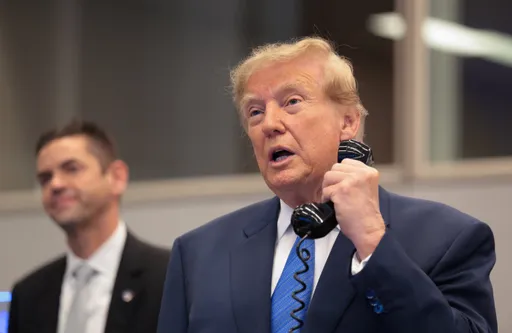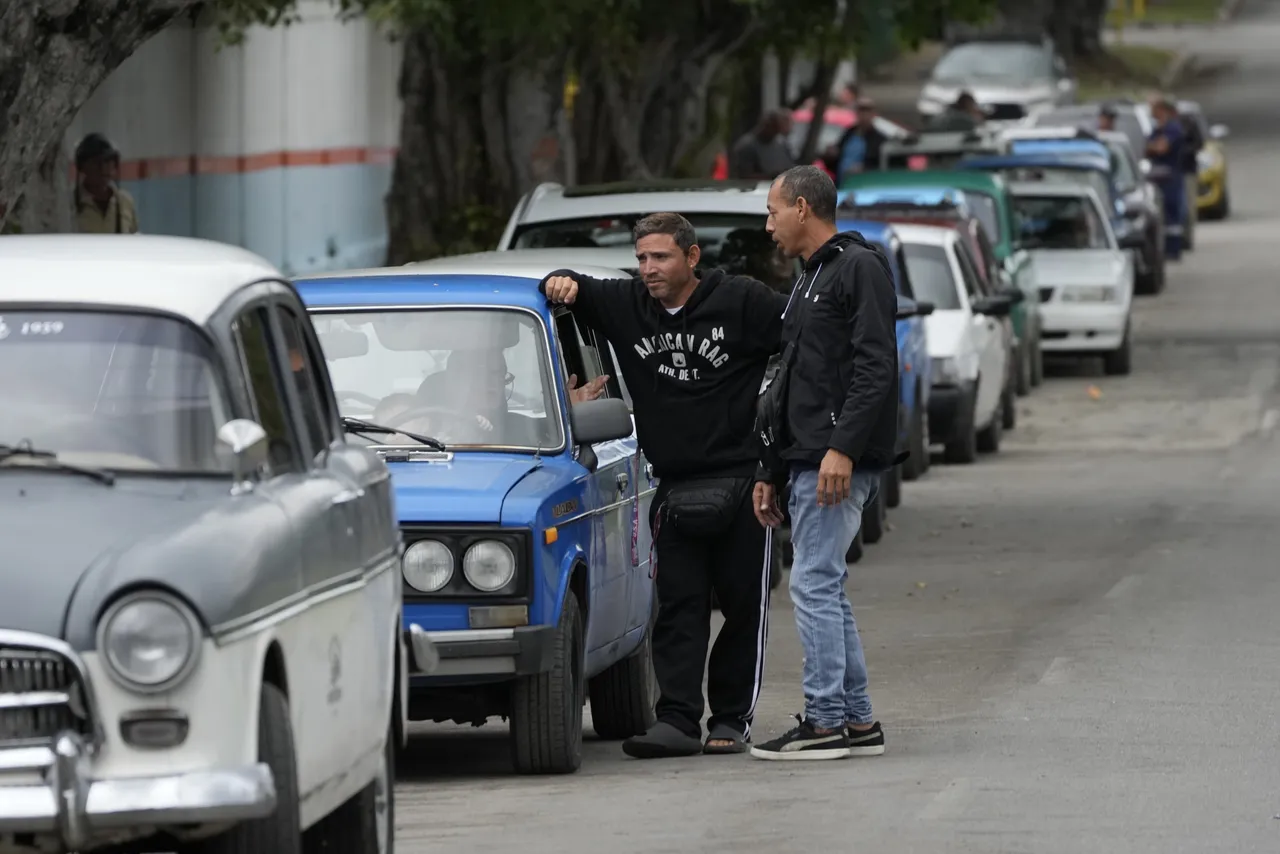
Cubans have queued for fuel across the capital as the government has condemned US efforts to tighten pressure on the island's already strained economy following new oil-related measures announced by Donald Trump.
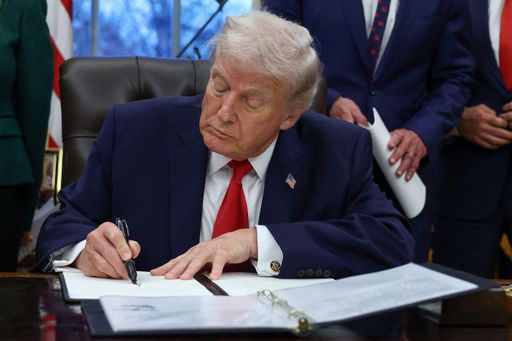
Hours after Trump approved punitive tariffs against countries supplying oil to Cuba, long lines formed at fuel stations in Havana.
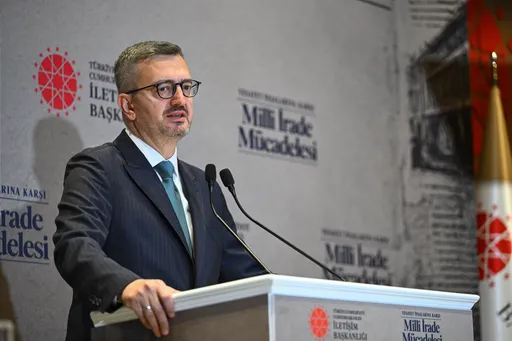
Havana denounced Trump's executive order as an attempt to throttle an economy already suffering power cuts lasting up to 20 hours a day, alongside shortages of fuel, medicines and food.
Officials said the decree forces Cuba's partners to choose between trade with the world's largest economy or an island of 11 million people.
Cuban President Miguel Diaz-Canel accused what he described as a "fascist, criminal and genocidal" US cabal of trying to "suffocate" the country.
Until recently, the economy relied on cheap Venezuelan oil supplies, which have declined since the abduction of Venezuelan President Maduro by US earlier this year.
'Humanitarian crisis'

Trump and his Cuban American Secretary of State Marco Rubio have openly called for regime change in Havana.
After the fall of Venezuela's leadership, Trump warned Cuba to "make a deal soon", declaring "NO MORE OIL OR MONEY FOR CUBA: ZERO!"
The order describes Cuba as an "extraordinary threat" to US national security, alleging ties with hostile states and militant groups.
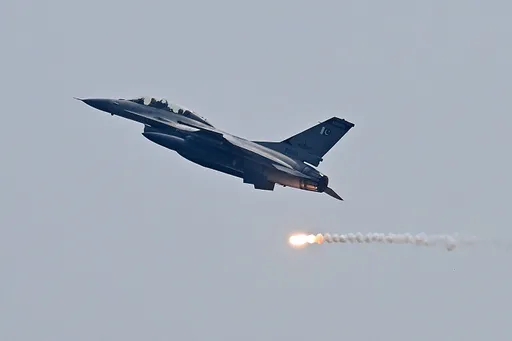
Since late 2025, the US has maintained naval assets in the Caribbean, including warships and fighter jets.
The move poses particular challenges for Mexico, one of the few countries still supplying oil to Cuba.
Mexican President Claudia Sheinbaum warned the tariffs could trigger a "far-reaching humanitarian crisis", affecting hospitals and food supplies.
Venezuela and China criticised Washington's measures, expressing solidarity with Cuba but offering no concrete assistance.