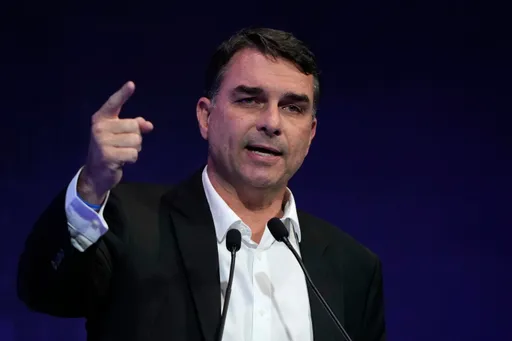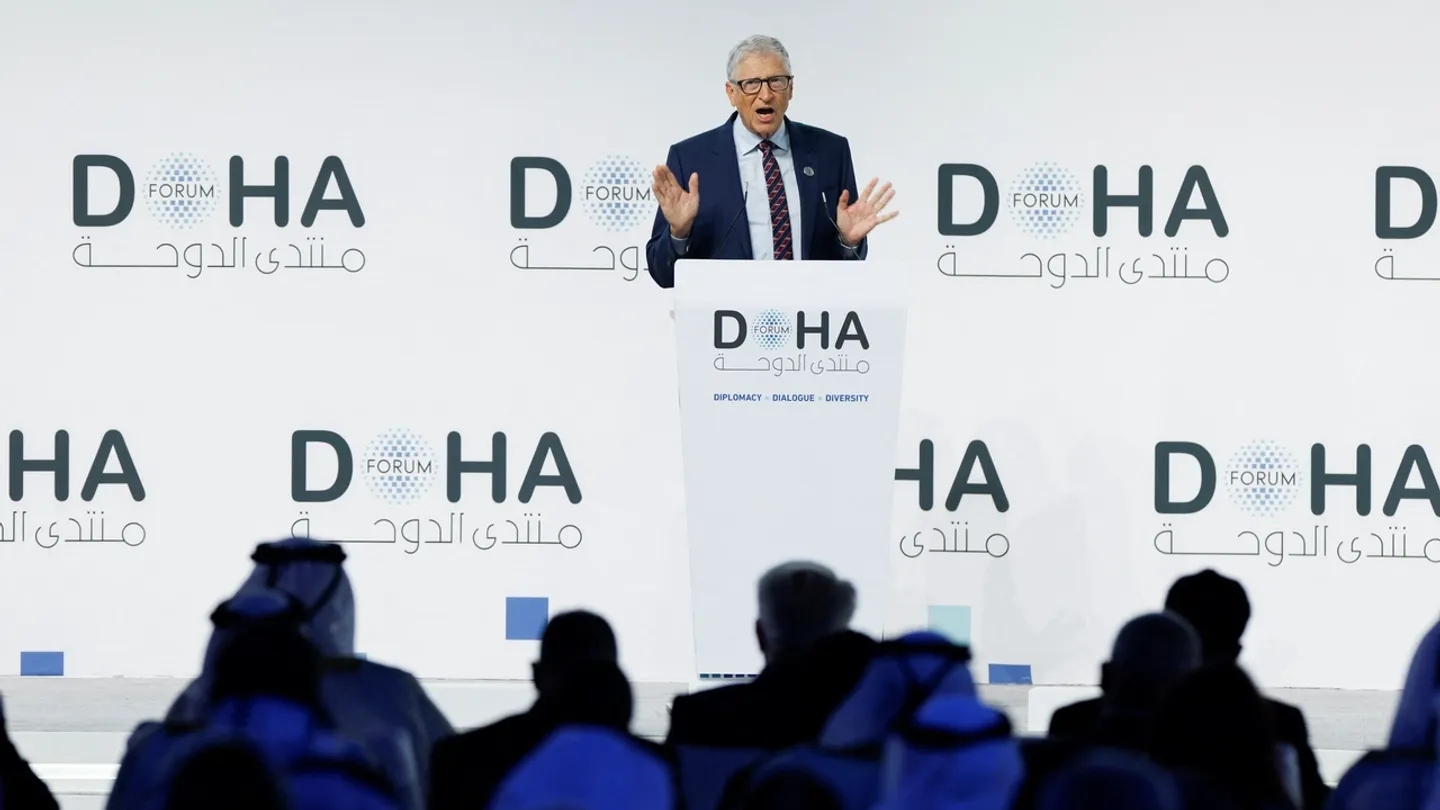
Microsoft co-founder Bill Gates said that artificial intelligence will fundamentally transform creativity, education, healthcare, and economic development worldwide, warning that early adopters will shape the technology future while emphasising that Africa must not be left behind.
Speaking at the Doha Forum 2025 on Saturday, Gates said AI’s impact will be universal, comparing it to “chips or electricity or advanced medicines,” stressing that its power lies not in duplicating existing foundations but in how societies apply it.
“All we can say today is that the people who jump in early — that is where a lot of creativity is going to come,” he said.
“Because Africa is young, they’ll have a disproportionate number of the people who have kind of new ideas about how to shape it and take it.”
Gates said AI will reshape artistic and creative industries, from film and photography to writing and design.
“Across the entire world, the idea of how AI is going to change creativity — making movies, photos, books — it's really very open-ended,” he said.
He added that foundational AI models will likely continue to emerge from the US and China due to their scientific capacity, but that widespread access is assured because “there’ll be lots of free open-source capability,” and intense competition will keep commercial tools accessible.
Gates highlighted AI’s potential to revolutionise public services in low-income regions, especially in Africa, where his foundation directs most of its work.
“One of the great things about AI is that anyone who has a cell phone will have the ability to dial a number or connect through an application and simply talk to a doctor — a virtual doctor — which is driven by AI,” he said.
The system, he noted, would remember “everything they’ve ever said about their health,” offer advice around the clock, and be free for users.
The same model, Gates said, can support farmers with AI-generated guidance on soil quality, weather, seeds, and livestock.
He argued that empowering farmers with new tools and better genetics could turn agriculture into a major engine of African economic growth.
“The opportunity for that sector is to more than overcome those headwinds and turn this into the primary area of big economic growth.”


Childhood survival
Reflecting on the Gates Foundation’s mission, the billionaire investor said his organisation was created in 2000 to help children reach their potential by addressing diseases and conditions “that almost no money was being put into,” despite killing millions.
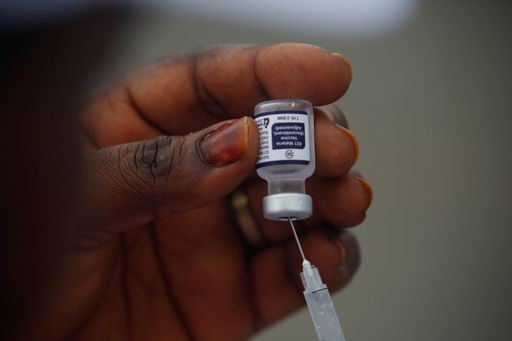
He noted that malaria killed “about 600,000 children” this year.
“It is truly insane that a world that’s this rich doesn’t find the resources” to eradicate it, he said.
“There’s every reason to think we should be able to get rid of malaria that no child should ever suffer from that.”
Gates said malnutrition remains one of the most dangerous and least understood threats to child development.
“You cannot be educated to any reasonable level if you’ve been malnourished,” he said, describing it as an “evil” that prevents children from developing physically and mentally.
Gates said the most important challenge is ensuring equitable access to AI.
“Making sure that AI… is available, particularly to young people in the Global South — I’d say that is one thing our foundation has taken on as a goal,” he said.
In some cases, he argued, innovation in Africa could “show the entire world how these innovators in the Global South are taking this new tool and taking advantage of it.”