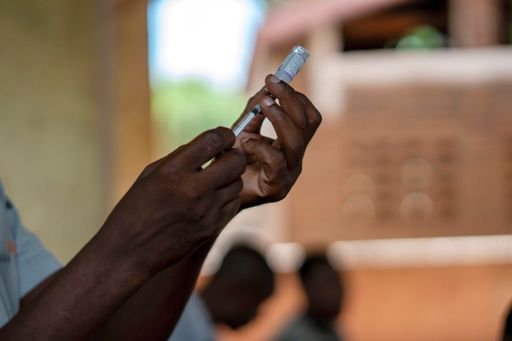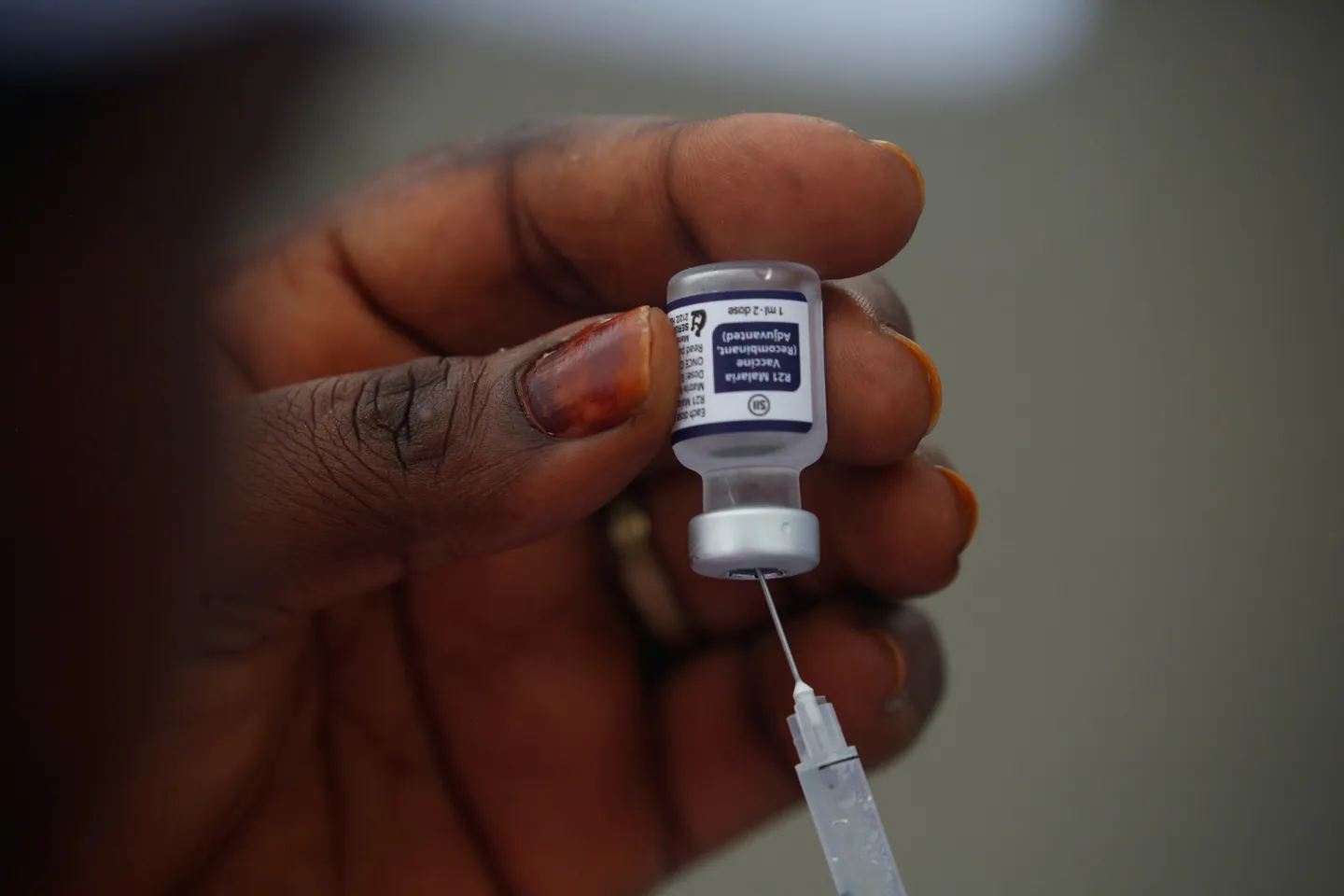
The World Health Organization (WHO) said on Thursday that broader use of new malaria tools, from dual-ingredient mosquito nets to WHO-recommended vaccines, helped avert an estimated 170 million cases and 1 million deaths in 2024.
According to the agency’s annual World Malaria Report, new innovations are increasingly being built into national health systems.
Since malaria vaccines were first approved in 2021, 24 countries have added them to routine immunisation programmes.
Seasonal malaria chemoprevention has also expanded sharply, reaching 54 million children in 2024 compared with just 200,000 in 2012.
Efforts to eliminate the disease are continuing, the report said.
Forty-seven countries and one territory have now been certified malaria-free. Cabo Verde and Egypt achieved that status in 2024, followed by Georgia, Suriname and Timor-Leste in 2025.
But despite the progress, malaria infections and deaths remain stubbornly high.
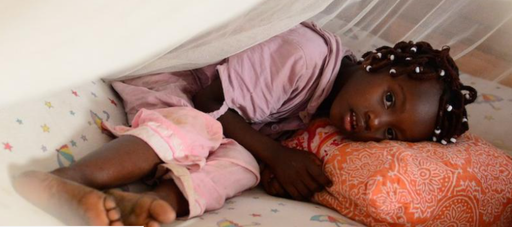
‘New tools, new hope’






The report estimated 282 million cases and 610,000 deaths in 2024 — around 9 million more cases than in 2023. Roughly 95 percent of deaths occurred in the WHO African Region, mostly among children under five.
"New tools for prevention of malaria are giving us new hope, but we still face significant challenges," WHO chief Tedros Adhanom Ghebreyesus said.
"Increasing numbers of cases and deaths, the growing threat of drug resistance, and the impact of funding cuts all threaten to roll back the progress we have made over the past two decades. However, none of these challenges is insurmountable."
The report flagged partial resistance to artemisinin-based treatments in at least eight African countries and warned that drug efficacy is slipping.
It also pointed to pfhrp2 gene deletions undermining rapid tests, widespread resistance to pyrethroid insecticides, the spread of the Anopheles stephensi mosquito, extreme weather, conflict and stagnant global financing — which stood at $3.9 billion in 2024, less than half of the 2025 target.
"The World Malaria Report is clear: drug resistance is advancing. Our response must be equally clear — new medicines with new mechanisms of action," Martin Fitchet, the CEO of Medicines for Malaria Venture, said.
WHO urged endemic countries to maintain commitments outlined in the Yaounde Declaration and accelerate action under the Big Push initiative to safeguard progress toward a malaria-free future.