As tensions mount between Europe and the United States over Greenland, early signs of a strategic recalibration are emerging across the continent — one that includes tentative European outreach towards Russia even as the war in Ukraine grinds on.
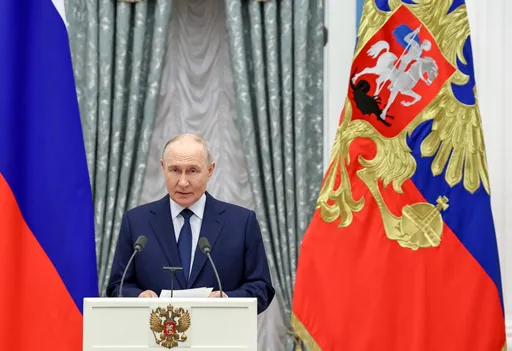
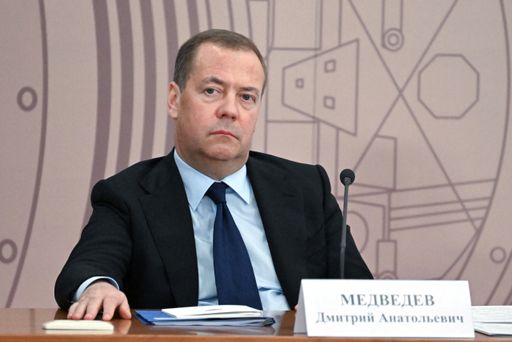
Inside the European Union, senior officials are cautiously debating whether the time may eventually come to reopen diplomatic channels with Russian President Vladimir Putin, a prospect that would have been politically unthinkable just a year ago.
The discussion has exposed sharp divisions within the bloc, with frontline states warning against any premature or ill-considered engagement with Moscow.
Poland has emerged as one of the strongest voices pushing back against the idea. Speaking in Brussels, Polish Foreign Minister Radoslaw Sikorski warned on Friday that if dialogue with Russia is ever resumed, it must be handled strictly through established EU institutions and not via ad hoc envoys or individual national initiatives.
“The EU already has its voice. That is Kaja Kallas,” Sikorski said, referring to the bloc’s foreign policy chief. He cautioned against appointing a “weak interlocutor” who could dilute collective pressure on the Kremlin or allow Moscow to exploit divisions inside Europe.
The debate was triggered after French President Emmanuel Macron and Italian Prime Minister Giorgia Meloni floated the idea of restoring direct communication channels with Moscow, nearly four years after Russia’s full-scale invasion of Ukraine in February 2022.
With the conflict locked in a costly stalemate, some European officials argue that the EU must at least prepare for eventual diplomacy — even if talks remain distant and politically toxic.
‘The time will come to talk’



Behind closed doors, diplomats have discussed the possibility of naming a special envoy to handle contacts with Moscow, with former Italian prime minister Mario Draghi among the names mentioned in media reports. No formal proposal has yet been tabled.
For Warsaw and other Eastern European capitals, however, the timing could not be worse. Sikorski stressed that any future diplomacy must reinforce, not undermine, existing EU policy. “We cannot fall for Kremlin tricks,” he said. “The time will come to talk. But it is not today.”
Similar scepticism has been voiced elsewhere. The Greek Cypriot Administration, which currently holds the rotating EU Council presidency, warned against “sending the wrong signal” while Russian missiles continue to strike Ukrainian cities.
The European Commission echoed that sentiment, saying that while diplomacy should never be ruled out, the current conditions make contact with Putin “impossible for now.”
Yet Moscow has taken note of the shifting tone. Kremlin spokesperson Dmitry Peskov said on Friday that calls by some European leaders to resume dialogue were “positive,” adding that if they reflect a broader strategic rethink in Europe, they mark “a positive evolution” in European positions.
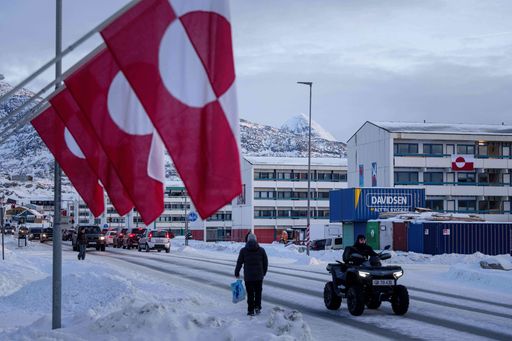
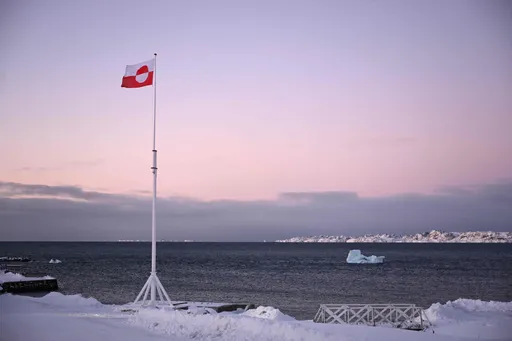
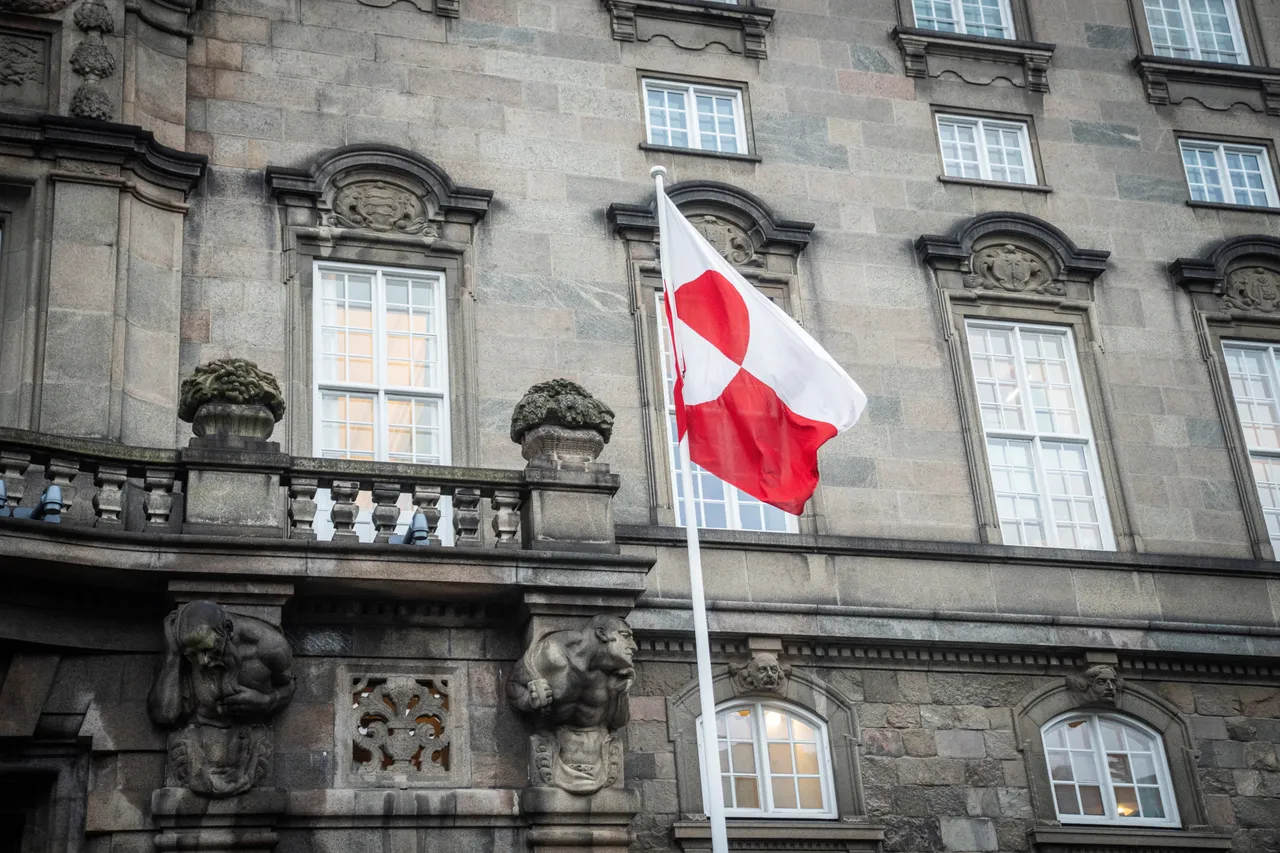
The emerging debate over Russia is unfolding against a far more immediate crisis roiling transatlantic relations: Greenland.
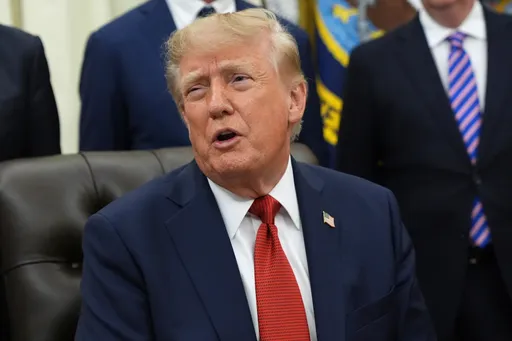
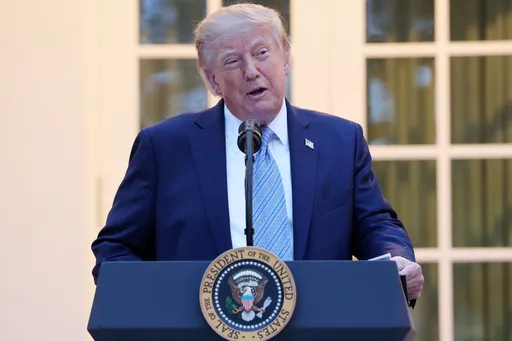
US President Donald Trump’s renewed insistence that Washington “needs Greenland” — and his refusal to rule out the use of military force to annex the semi-autonomous Danish territory — has shocked European allies.
The issue has taken on new urgency after talks this week in Washington between US, Danish and Greenlandic officials failed to resolve key disagreements. Shortly afterwards, Germany, France, Sweden and Norway announced plans to deploy a joint military mission to Greenland, citing growing security concerns in the Arctic.