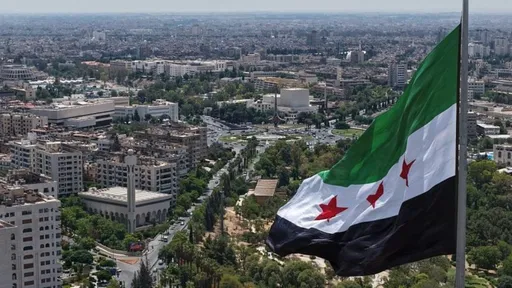
Senior UN officials on Thursday told the Security Council that Syria has made significant progress in its first year since the fall of the Assad regime, but warned that deep challenges, "fragile" security conditions, and funding shortfalls threaten the country's transition.
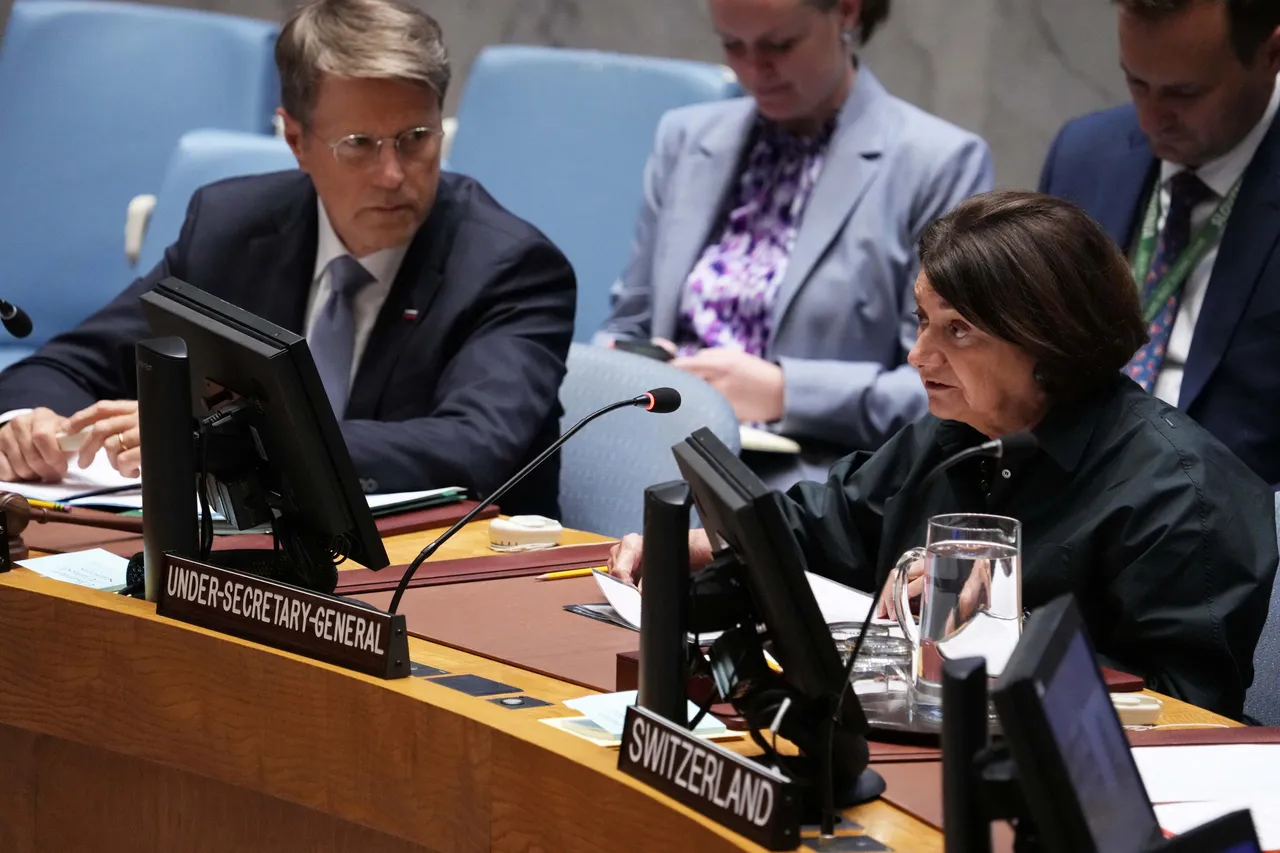
"One year ago, the hope of millions of Syrians was realised when then-President (Bashar) Assad fled the country," UN Under-Secretary-General for Political and Peacebuilding Affairs Rosemary DiCarlo told the council.
As Syrians marked the first anniversary of the fall of the 61-year Baath regime earlier this month, she said Syrians "again reaffirmed their abiding belief in peace, stability, prosperity, and justice for their country, despite the undeniable and daunting challenges before them."
Noting that Syrian authorities have restored state institutions, DiCarlo said they began integrating armed factions under a single command, issued a constitutional declaration, and formed a new Cabinet.
She reported that displacement trends are reversing, with "over 1 million refugees and almost 2 million IDPs (internally displaced people)" returning to their areas of origin, while "many countries have lifted bilateral sanctions on Syria."
While recognising that Humanitarian access has improved, she stressed that "more needs to be done."
DiCarlo also marked notable decline in violence but cautioned that "the situation on the ground is fragile, and inter-communal dynamics remain tense," after years of conflict and repression that fueled “
Israeli attacks undermining security in Syria
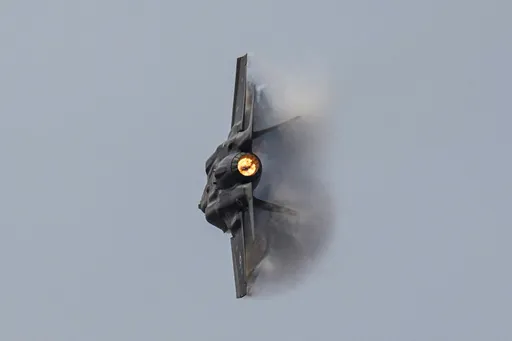
Israeli air strikes and incursions in southern Syria have worsened the security situation, warned the UN official.
She cited a late November incursion by Israeli forces into Beit Jinn that killed 13 people, according to Syrian authorities, and displaced families.




"I reiterate the secretary-general's call on Israel to refrain from violations of Syrian sovereignty and territorial integrity," she said.
After the fall of the Bashar al-Assad regime in late 2024, Israel expanded its occupation of the Syrian Golan Heights by seizing the demilitarised buffer zone, a move that violated the 1974 Disengagement Agreement with Syria.
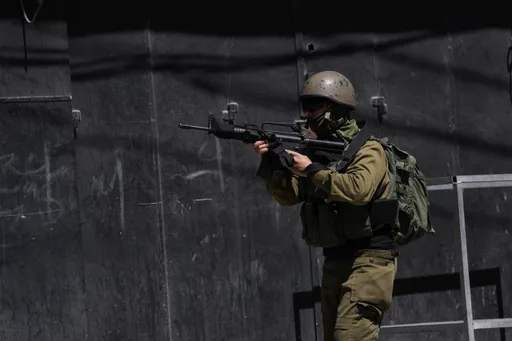
Israeli incursions in southern Syria have recently intensified, with locals complaining of advances into their farmland, as well as the destruction of hundreds of acres of forests, arrests of residents, and the establishment of military checkpoints.
The Israeli army has carried out over 1,000 air strikes on Syria and more than 400 cross-border raids into the southern provinces since December 2024, according to government data.
She also emphasised that lasting peace requires accountability and said: "True healing can only begin through a full reckoning with this history, by addressing the fate of the missing, ensuring accountability for the gravest atrocities, including the use of chemical weapons."
Regarding the humanitarian needs, UN Assistant Secretary-General for Humanitarian Affairs Joyce Msuya said Syria faces a rare opportunity for recovery but warned that progress depends on sustained backing.
"The current moment has given Syria the opportunity to finally bring down these needs," she said, stressing the need for de-escalation, investment, and support for government-led recovery.
With the 2025 humanitarian appeal only 30 percent funded, she warned of growing gaps.
"Without a reversal in the downward funding trend, more and more people will fall behind, and the task for recovery will only grow," Msuya said, adding, "We must seize the moment."