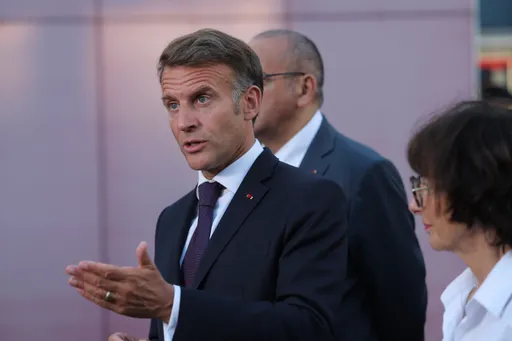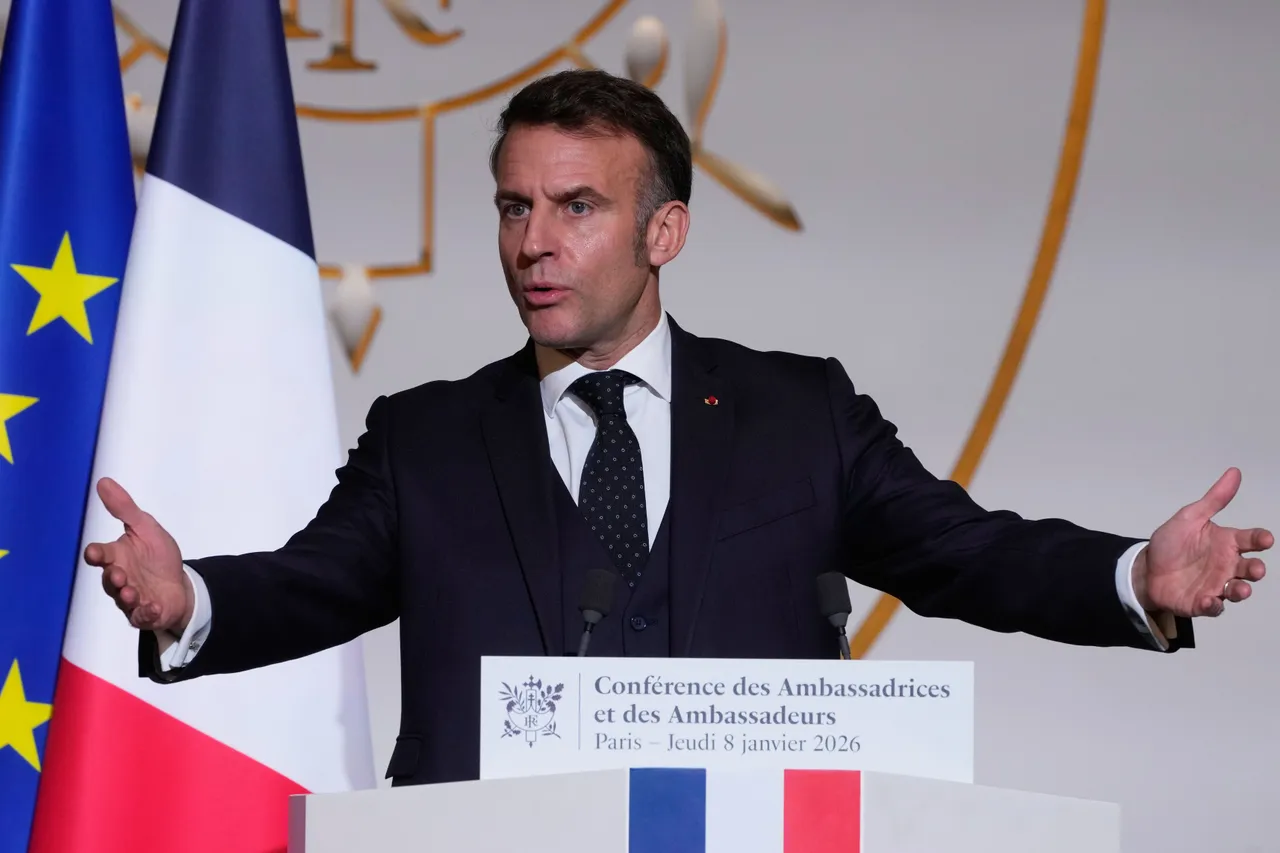
French President Emmanuel Macron has delivered a forceful critique of the United States’ foreign policy, accusing Washington of “breaking free from international rules” and drifting away from traditional alliances — a signal of deepening transatlantic tensions as Europe grapples with recent US military and geopolitical moves.
Speaking to French ambassadors at the Elysee Palace in Paris on Thursday, Macron said the United States — long seen as a pillar of the post-World War II international order — was increasingly acting unilaterally, weakening multilateral institutions and fueling global fragmentation.
“We are living in a world of great powers with a real temptation to divide up the world,” he said, underscoring what he described as a growing erosion of shared norms.
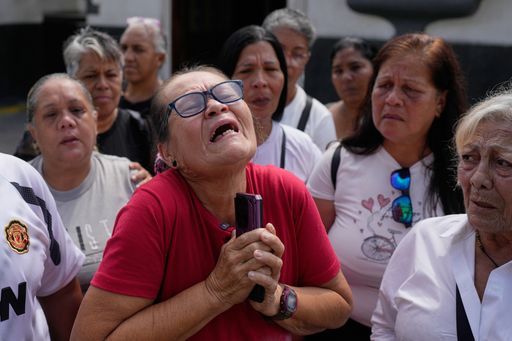
His remarks come in the wake of US special forces abducting Venezuelan President Nicolas Maduro in a dramatic operation early this month, a move that has sparked global debate over sovereignty and international law.
The military attacks and subsequent US management of Venezuelan affairs have alarmed several European capitals, with critics warning it risks setting a dangerous precedent for interventions abroad.
‘Europe must protect its own interests’
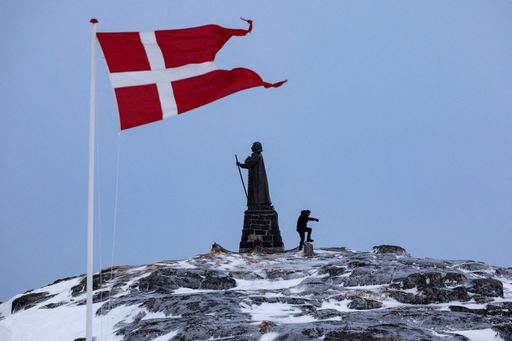
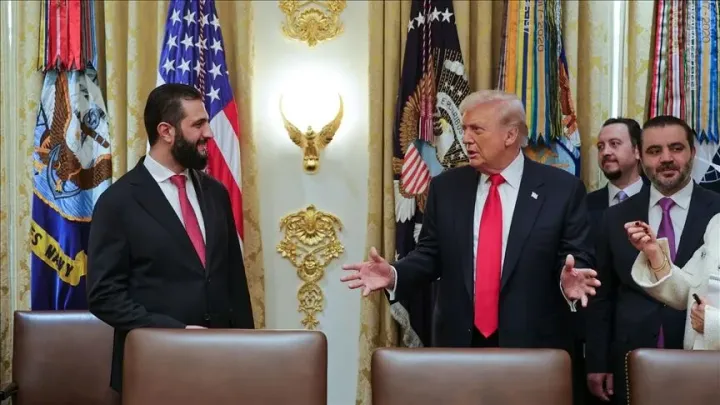
Macron also referenced US designs on Greenland, where President Donald Trump has repeatedly hinted at possible acquisition — a stance that has provoked strong reaction from Denmark and EU partners and raised broader questions about respect for allied sovereignty.
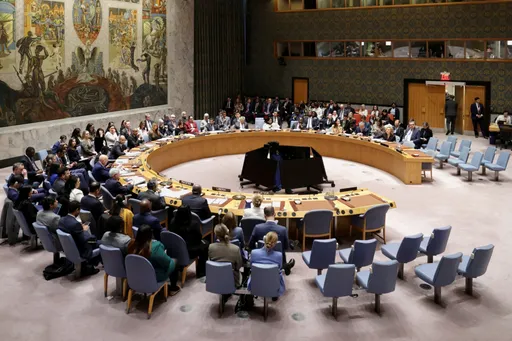
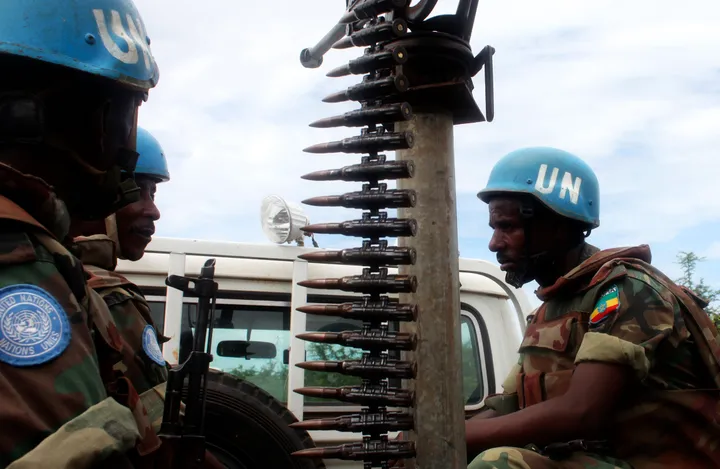
The French leader said that Europe must protect its own interests, strengthen international cooperation, and “reinvest fully in the United Nations” at a time when its largest shareholder appears to be stepping away from global frameworks.
He emphasised the need for consolidated European regulation of key sectors, including technology, pointing to the EU’s Digital Services Act and Digital Markets Act as examples of measures aimed at defending European values and autonomy.
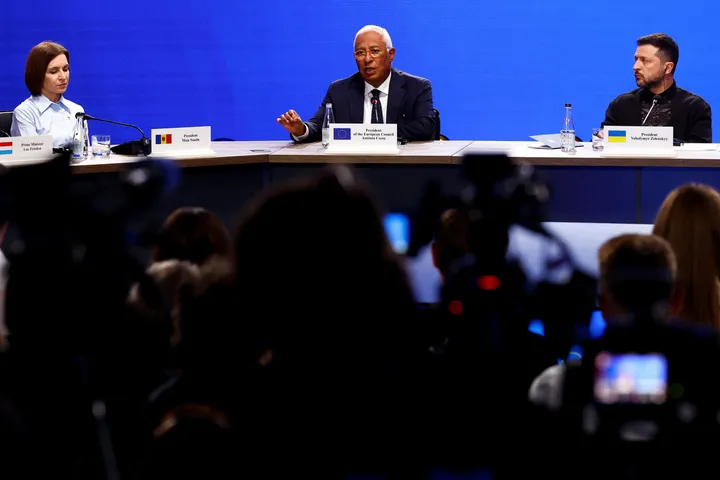
Macron’s speech reflects a growing unease among EU leaders about the reliability of traditional alliances and the future of a rules-based international order, with other European voices also warning of a potential breakdown in shared norms and security frameworks.