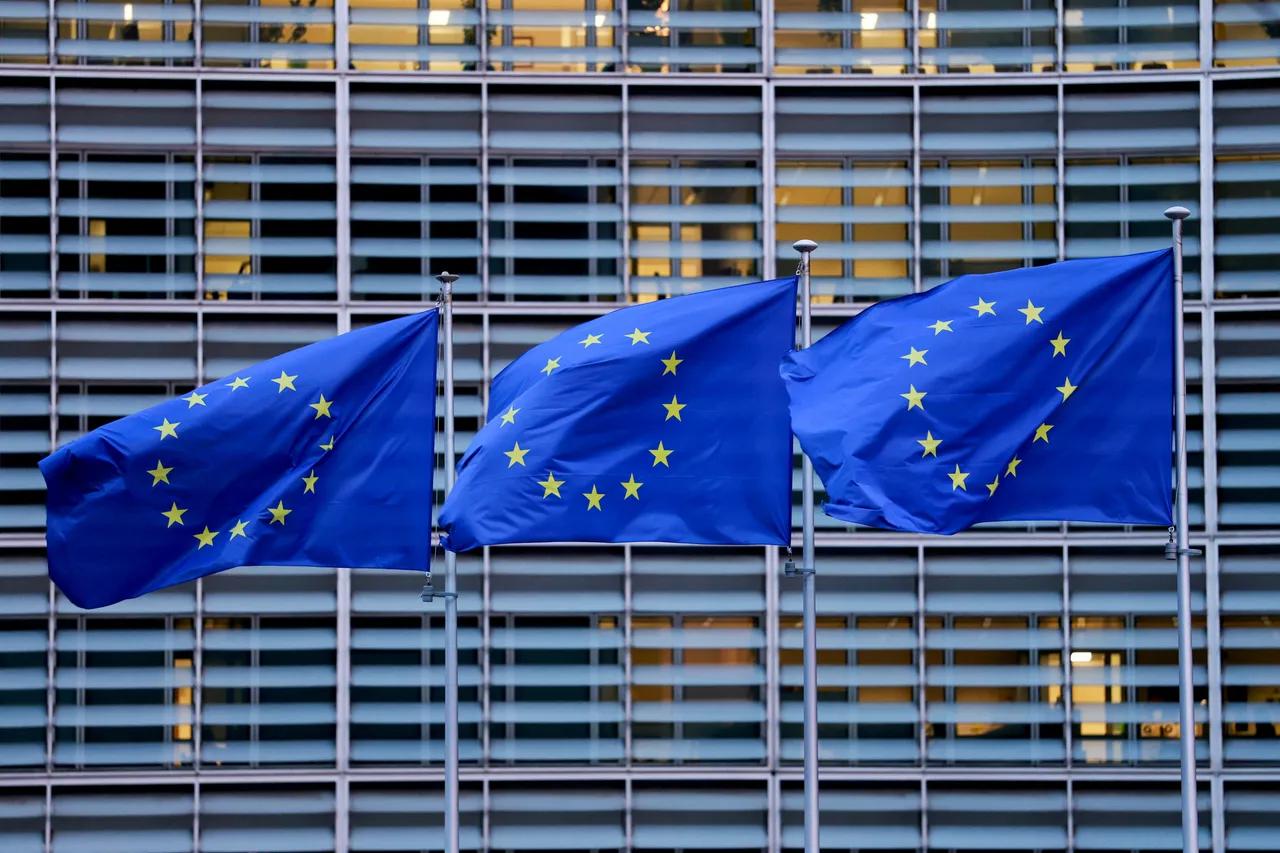
Europe's strong reaction to recent visa restrictions imposed on several European figures by the US has exposed its own double standards, according to experts, who point out that European Union member states frequently apply similar measures without facing internal backlash.
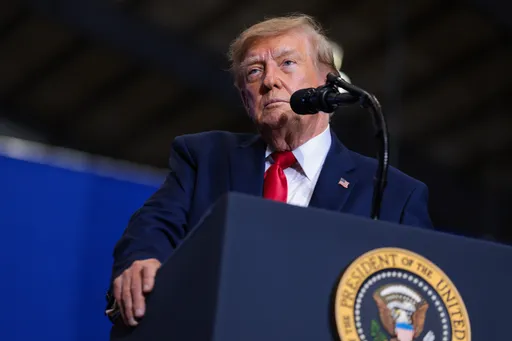
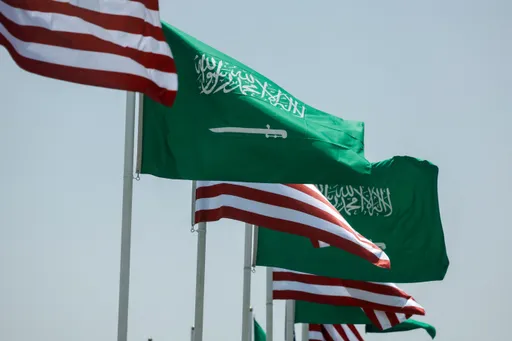
The criticism follows a decision on December 23 by the administration of US President Donald Trump to impose visa restrictions on five European individuals, including a former EU commissioner, over an investigation that found they had pressured American digital platforms to censor or suppress US viewpoints.
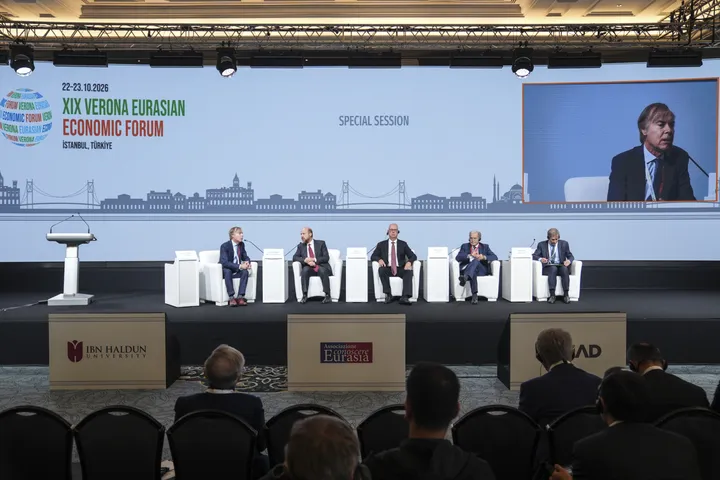
Former Greek Finance Minister and economist Yanis Varoufakis and Brussels-based journalist Eric Bonse shared their assessments with Anadolu on Europe's response to the US move.
Echoes of the Bourbon Dynasty
Varoufakis said European centrist representatives' opposition to the US travel ban clearly reveals their hypocrisy.
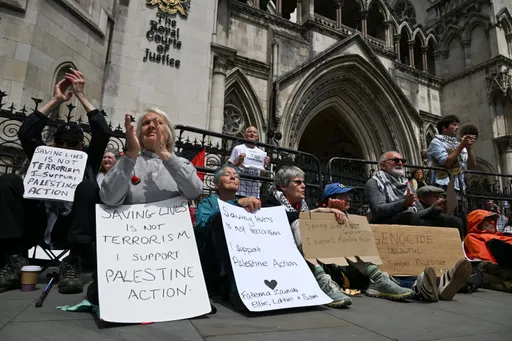
He recalled that he, along with others, had been banned from entering Germany over their opposition to Israel's genocide against Palestinians.
“Where were these same leaders when I and others were being banned from entering Germany because, along with German Jewish associates, we dared to oppose the Palestinians' genocide?” Varoufakis said.
Drawing a historical parallel, he likened today's European political establishment to the Bourbon Dynasty restored after the French Revolution, which was failing to understand the needs of the people.
Like the Bourbons, Europe’s centrists seem to have forgotten nothing but also learnt nothing from Europe’s sorry history,” he said.
In April 2024, Germany's Interior Ministry announced a ban on Varoufakis' participation in political activities in the country, both in person and online, citing his pro-Palestinian statements.
'Hypocrites'
Eric Bonse, a German journalist based in Brussels, said the EU itself has imposed sanctions on German, French, and Swiss citizens without drawing meaningful criticism.
"Nobody cares. Hypocrites," Bonse said.





He also noted that those now complaining about US sanctions were being "forgetful, recalling that when the US sanctioned the Nord Stream 2 pipeline project, targeting its operator and related entities in late 2019 and again in February 2022 to halt the pipeline due to European energy dependence on Russia, half of Europe cheered.”
"They had secondary sanctions on Iran, and Germany and France found no remedy," Bonse said. "Recently, they sanctioned lawyers at the ICC in The Hague, and the EU did not even complain."
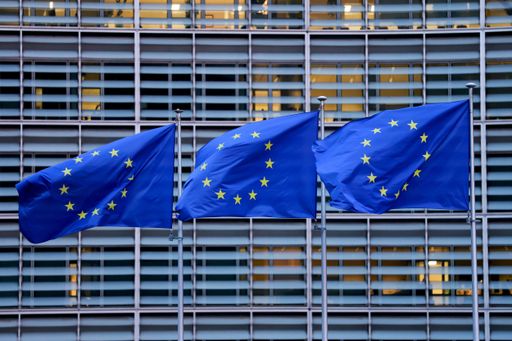
The EU and its member states, which regard sanctions as a legitimate and frequently used foreign policy tool and currently maintain sanctions regimes affecting thousands of individuals across more than 30 countries, reacted sharply to the US visa restrictions on European citizens.
EU condemnation
The European Commission strongly condemned the decision, while the European Parliament called for it to be reversed.
European Commission President Ursula von der Leyen said freedom of expression is a cornerstone of European democracy, adding that it must be protected. European Council President António Costa said such measures are unacceptable among allies, partners, and friends.
EU foreign policy chief Kaja Kallas, who previously stated that travelling to the EU is “a privilege, not a right” when discussing sanctions on Russians, described the US decision as an attempt to challenge EU sovereignty.
France, Germany, Belgium, and several other EU countries also voiced opposition to the US move.
US sanctions
The US State Department announced visa restrictions on five individuals, accusing them of pressuring digital platforms to censor Americans' views.
Those affected include Thierry Breton, former EU Commissioner for Internal Market and Services and a key architect of the Digital Services Act (DSA); Imran Ahmed, CEO of the Centre for Countering Digital Hate (CCDH); Clare Melford, co-founder of the Global Disinformation Index (GDI); and Anna-Lena von Hodenberg and Josephine Ballo, co-leaders of the German non-profit HateAid.
Breton, who also previously served as France's Minister of Economy, Finance, and Industry, played a key role in shaping the EU's strict digital regulations during his term as EU commissioner from 2019 to 2024.