 Ahmet Uysal
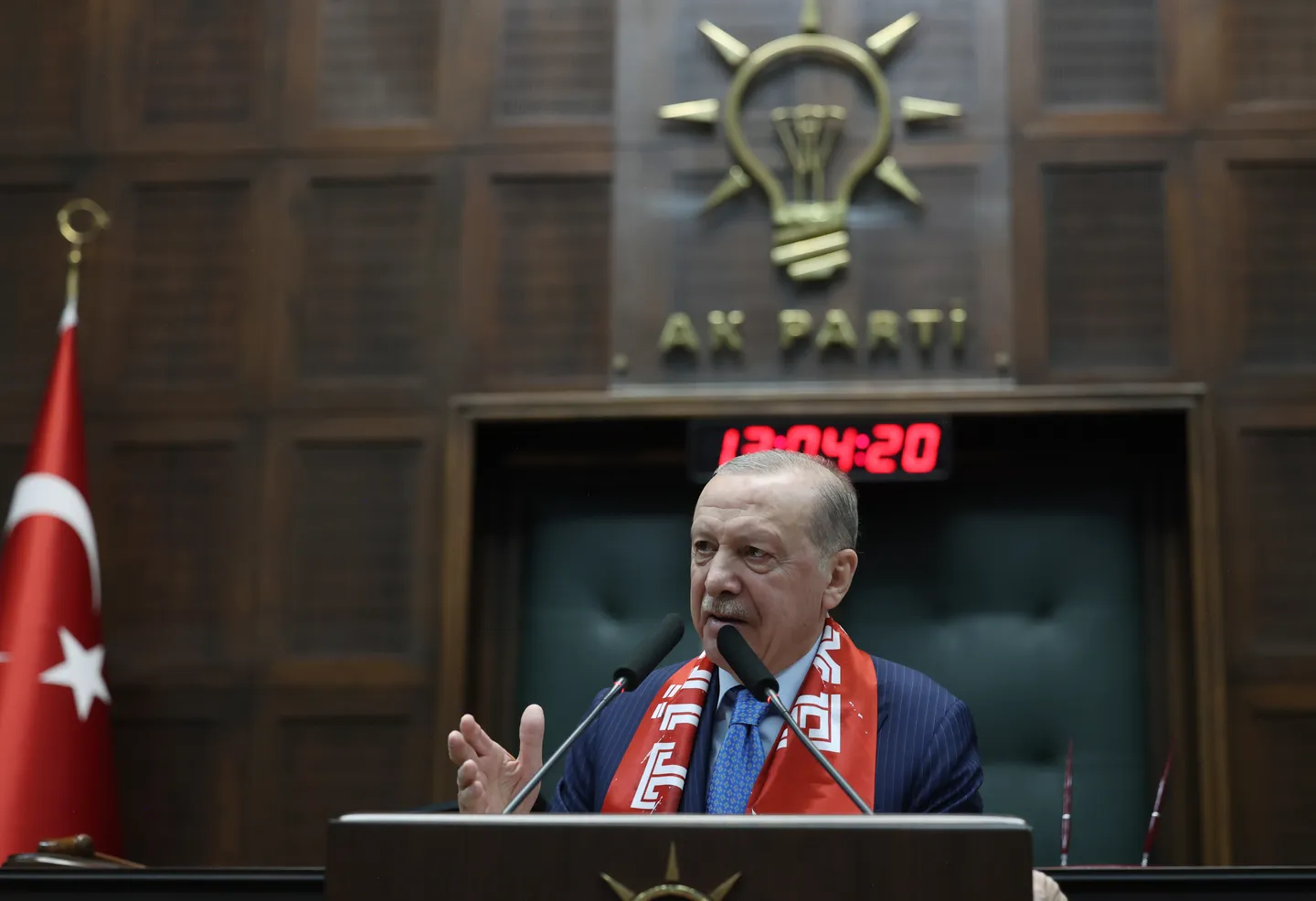
As the AK Party celebrates its 25th anniversary on August 14, a grateful Türkiye will look back at the quarter century as the defining period of the country’s rise in the global pecking order.
Coming to power shortly after its founding, the party has brought about a major transformation in Türkiye, both domestically and in the global order.
The AK Party-led government took control by eliminating entrenched military and bureaucratic power centres, acknowledging cultural and social diversity, fixing the economy and strengthening ties between the people and the state.
With a firm grasp of the country’s internal affairs, the party could then turn its attention to formulating and implementing a robust and pragmatic foreign policy – one that led to Türkiye’s growing regional and global role.
In its early years, the AK Party government focused on improving the economy and international standing, with the goals of European Union membership and better relations with neighbours.
Over time, it pursued a multifaceted opening extending to the Middle East, the Balkans, Africa, the Caucasus, Central Asia, and more distant geographies, both to strengthen and expand its economy and to increase its regional power.
At the heart of this transformation lies the transfer of increased economic capacity, an expanding diplomatic network, and more independent security tools into foreign policy.
According to World Bank data, Turkish GDP rose from $236 billion to $1.6 trillion in 2025.
The AK Party government sought to diversify Türkiye’s relations without severing traditional Western ties.
The start of EU accession negotiations in 2005 marked the Western dimension, while Türkiye sought to reduce tensions with neighbours, open to Africa, pursue economic rapprochement with Gulf countries, and strengthen institutional ties with Central Asia.
With public support and the influence of the international conjuncture, President Recep Tayyip Erdogan and his allies ended military tutelage by amending the Constitution and laws.
During the second decade of its governance, the AK Party had to contend with the Arab uprisings in the Middle East, the chaos in Syria, tensions in the Eastern Mediterranean, the July 15 coup attempt, the West’s dislike of Turkish autonomy, tensions between Russia and Ukraine, and the Qatar embargo.
After this process, Ankara leaned towards a more security-centric and independent decision-making process.
This strategic independence characterised Turkish foreign policy orientation over the last fifteen years. The constitutional amendment in 2010, which broke the military's tutelage, enabled it to conduct security and foreign policy more freely.
Türkiye's strategic rise
The civilian AK Party administration has strengthened NATO ties while developing flexible relationships with other centres, including Russia, Central Asia, the Gulf, Asia, and Africa.
With this autonomy, Türkiye has strengthened its defence capabilities.
While the rate of domestic production in the defence industry was two percent in 2002, today it exceeds 80 percent and is still increasing, a very impressive achievement.
Turkish UAV technologies, warships, armoured vehicles, missile systems, and electronic warfare capabilities helped the Turkish economy and became foreign policy tools that deepened relations with Pakistan, Ukraine, the Gulf countries, Africa, and Central Asia.
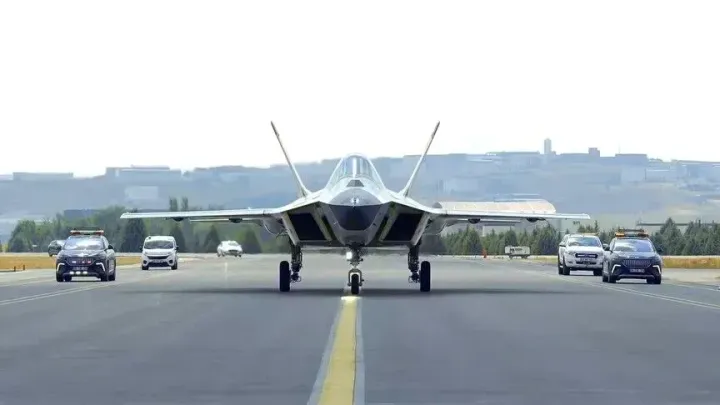
The Bayraktar UAV and the 5th-generation Kaan fighter jet have stood out globally. As a result of these successes, Türkiye’s defence and aerospace exports have risen from $248 million in 2002 to $10.05 billion in 2025.
Developments in the defence industry have enabled Türkiye to conduct its military operations more independently, but it is aggressively investing in research and development to address the deficit.
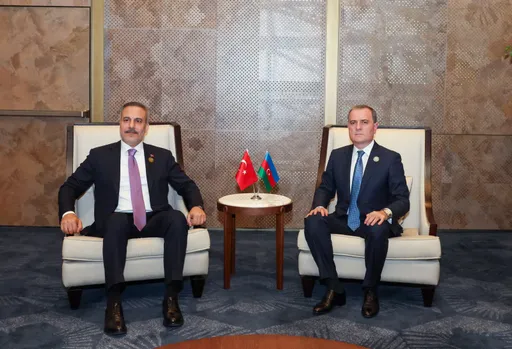
Türkiye’s military power has proven itself in Libya by preventing a military coup there in 2020. Turkish military support helped Azerbaijan liberate its occupied territories the same year.
Over the past two decades, Türkiye has increased its military presence and cooperation with many countries, including Somalia, Qatar, Libya, Pakistan, and Azerbaijan.
On August 7, it launched a trilateral defence alliance with Pakistan, the only nuclear power in the Muslim world, and Saudi Arabia, one of the world's largest oil producers.
Other Arab countries are expected to join the alliance, marking a new era of regional security cooperation and peacebuilding.
The AK Party governments expanded Turkish diplomatic activity and missions globally.
According to the Ministry of Foreign Affairs, Türkiye’s network of foreign representations has reached 262 missions, making it one of the largest diplomatic networks in the world.
For example, while there were only 12 embassies in Africa in 2002, the number increased to 44 in 2026.
In parallel, the trade volume between Türkiye and Africa has risen from approximately $3 billion to $36.6 billion during the same period, and Turkish Airlines now serves 64 African destinations.

Türkiye developed strong economic and diplomatic relations with the Balkans and Central Asia.
With the Balkan countries, Türkiye established itself in the Balkan Peace Platform in 2025 to prevent the resurgence of previous conflicts and to encourage cooperation on border security, energy and transportation.
In Central Asia, Türkiye led the evolution of the Organization of Turkic States in 2021 out of the Turkic Council, institutionalising Türkiye’s relations with the region.
Meanwhile, Türkiye improved its relations with major Arab countries such as Saudi Arabia and Egypt after a rocky period during the Arab Spring, with the revolution in Syria being a major geopolitical gain in the region.
Türkiye’s role in mediation and crisis diplomacy attracted global attention too.
In the past, Türkiye mediated between Bosnia and Serbia, Syria-Israel, Iran-US, Russia-Ukraine, Afghanistan-Pakistan, and Ethiopia-Somalia, and among Iraqi factions.
Most recently, it mediated the Black Sea Grain Initiative during the war between Russia and Ukraine in 2022. This prevented famine and hardship in some parts of the world, demonstrating Türkiye’s diplomatic capacity.
Soft power and humanitarian diplomacy are also important components of Turkish foreign policy.
Institutions such as TIKA, the Yunus Emre Institute, Turkish Scholarships, the Maarif Foundation, AFAD, the Turkish Red Crescent, and Turkish Airlines have expanded Türkiye's social ties through various channels.
According to the OECD, Türkiye provided approximately $7.3 billion in gross bilateral development assistance in 2024; $6.1 billion of this was humanitarian aid.
TIKA has coordination offices in 61 countries, 22 of them in Africa.
Turkish Maarif schools educate thousands of students abroad, and a significant number receive scholarships to study in Türkiye.
In addition, economy, energy and connectivity form the material basis of Turkish diplomatic influence
Türkiye’s exports increased from approximately $36 billion in 2002 to $273 billion in 2025, marking a major achievement.
Pipelines such as TANAP, TurkStream, Baku-Tbilisi-Ceyhan, Kerkük-Yumurtalik, and Baku-Tbilisi-Kars have strengthened Türkiye’s transit position between Europe, the Caucasus, the Middle East, and Central Asia.
Beyond the Strait of Hormuz
The closure of the Strait of Hormuz during the Iran-US War increased the Arab need for connectivity through Türkiye, as seen in road, railway, and pipeline projects.
Both the Gulf countries and Iraq want to access the West through Türkiye, which welcomes the new trend of cooperation.
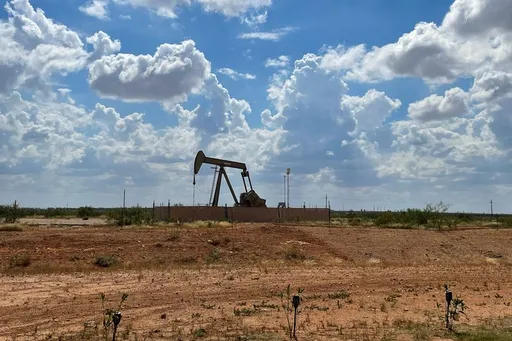
The discovery of natural gas in the Black Sea has been a considerable gain for Türkiye since 2020.
Recently, Turkish foreign policy has become more active within international organisations to influence regional and global agendas.
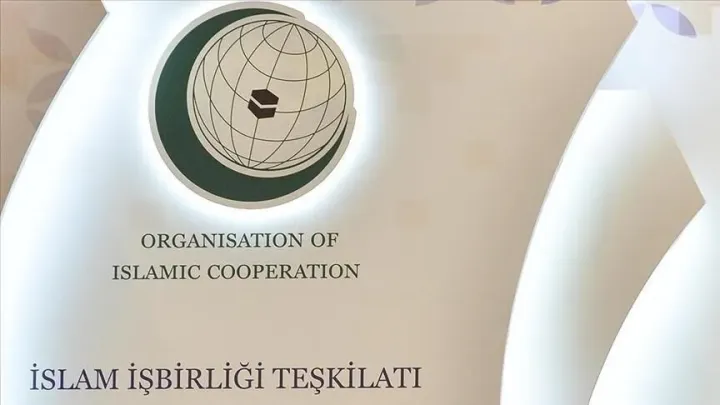
Its active role in platforms such as the G20, NATO, the Organisation of Islamic Cooperation, the D-8, and the Organization of Turkic States; the evolution of the Antalya Diplomacy Forum into an international forum; and mediation initiatives within the UN and the OSCE are examples of this trend.
However, the capacity to set the agenda does not guarantee a positive outcome, as Türkiye focuses on consensus-building by engaging simultaneously with diverse, sometimes conflicting actors.
In conclusion, Türkiye’s growing international influence during the AK Party's quarter-century of governance must be attributed to its ability to combine active diplomacy with a win-win approach, supported by a strong economy, defence industry, trade, humanitarian aid, energy, transport, and strategic partnerships.
It was able to take risks in Libya and Karabakh when the cause was right.
Valuing international institutions, law, and cooperation, Türkiye attaches great importance to regional and global peace.
From the Balkans to Africa, from the Black Sea to Central Asia and the Middle East, Türkiye is a key actor to be reckoned with in numerous areas.
The institutional experience, diplomatic network, and technological capacity accumulated over the last 25 years have prepared Türkiye for a larger global role.
Its sustainability will depend on strengthening economic resilience and reducing dependence on energy and advanced technologies in the future.