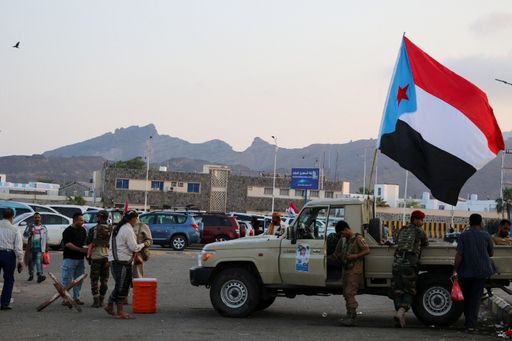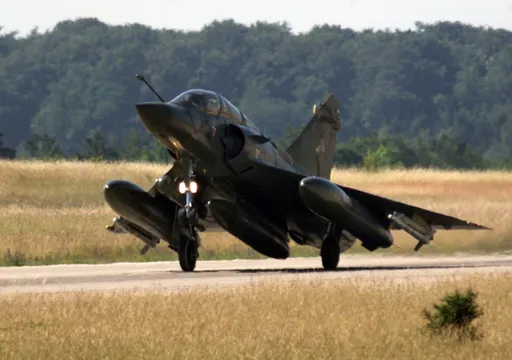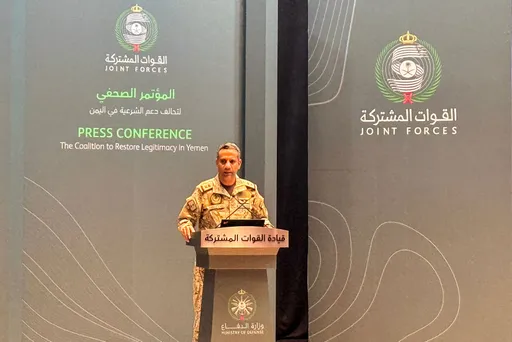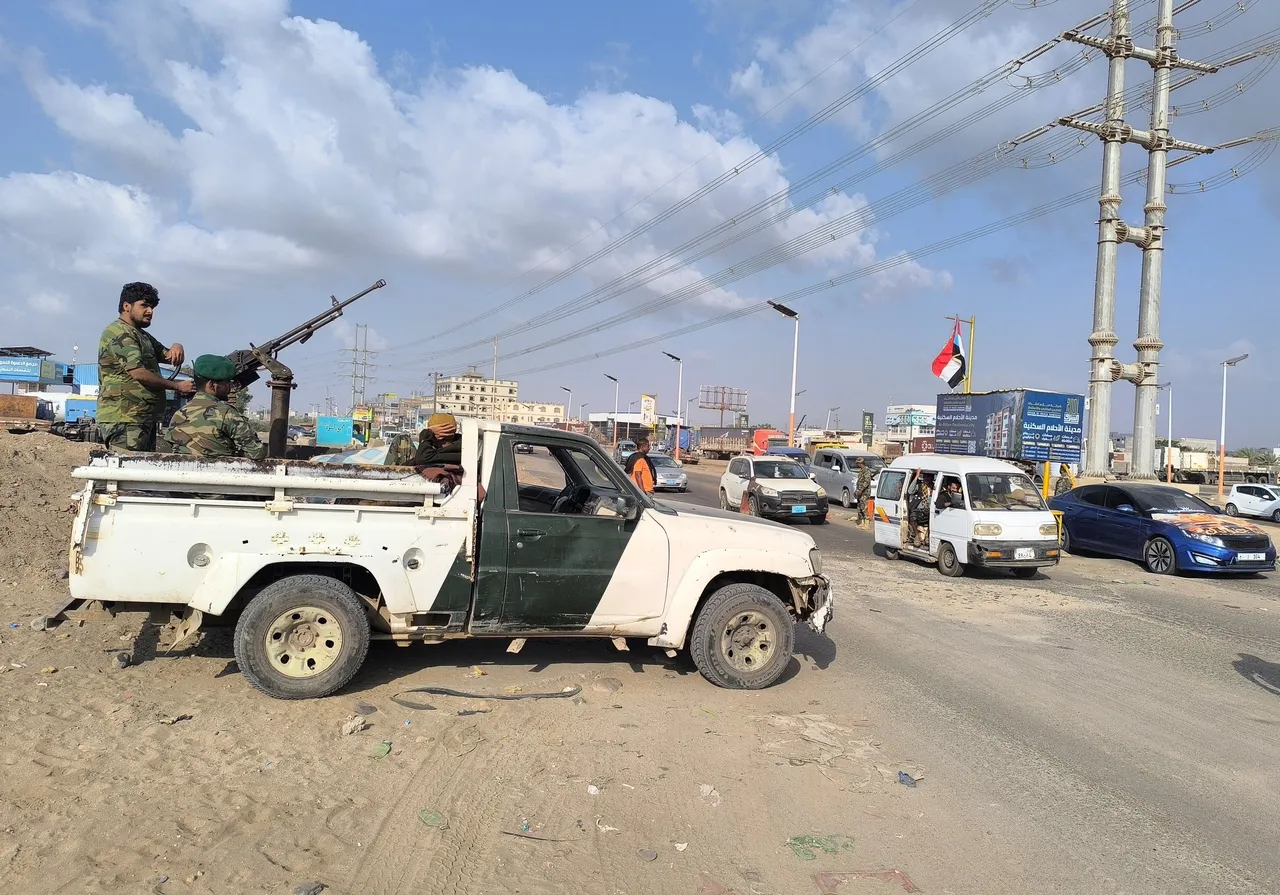
On Wednesday, Saudi-led coalition strikes killed at least four civilians and wounded six in southern Yemen’s Al-Dhale governorate, in the latest escalation of fighting between rival factions once allied against the Iran-aligned Houthis.
The coalition said the strikes were carried out after accusing separatist Southern Transitional Council (STC) leader Aidarous Al-Zubaidi of mobilising forces and failing to attend talks in Riyadh aimed at containing a fast-moving crisis in southern Yemen.
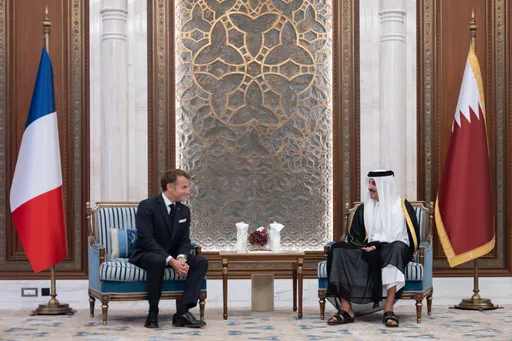
The violence has laid bare deep fractures within Yemen’s internationally recognised government and exposed one of the most public confrontations in years between Saudi Arabia and the United Arab Emirates, long-standing partners in the war.
What triggered the latest escalation
Saudi officials said Al-Zubaidi was invited to Riyadh for talks with coalition representatives and Presidential Leadership Council (PLC) chairman Rashad Al-Alimi, but failed to board a scheduled flight from Aden and later moved to an undisclosed location.
The coalition, which backs Yemen’s internationally recognised government, said the strikes were aimed at preventing further escalation after accusing STC leader Aidarous al-Zubaidi of mobilising forces and failing to attend scheduled talks in Saudi Arabia.
Coalition officials said al-Zubaidi had been ordered to travel to Riyadh for discussions with Yemeni and Saudi officials but did not board a planned flight from Aden.
Rift among former allies
The Saudi-led intervention in Yemen began in 2015 to restore the internationally recognised government after the Houthis seized the capital, Sanaa, and much of northern Yemen the previous year. Since then, Saudi Arabia and the United Arab Emirates have both backed the government, but their priorities have increasingly diverged.
Riyadh has focused on preserving Yemen’s territorial unity, while Abu Dhabi has supported southern factions, most prominently the Southern Transitional Council (STC), which seeks autonomy or independence for the former state of South Yemen.
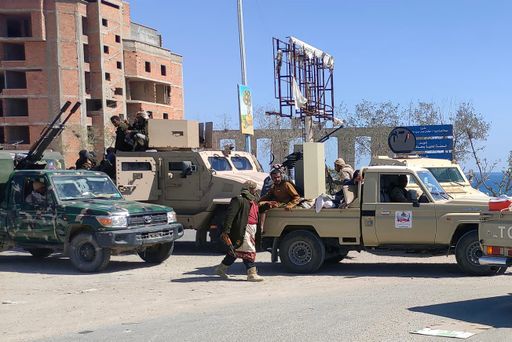
In recent weeks, the UAE-backed STC has seized swathes of territory across southern and eastern Yemen, including the strategic governorates of Hadramaut and Al Mahrah.
Saudi Arabia has criticised the STC’s moves as unilateral and harmful to Yemen’s unity, urging the group to withdraw from seized areas and coordinate with the government and coalition partners, in a rare public rebuke of a faction that had long fought alongside coalition forces.





Government fractures deepen
The escalation has exposed deep divisions within Yemen’s Presidential Leadership Council (PLC), the eight-member body formed in 2022 to unify anti-Houthi forces.
Four PLC members accused council chairman Rashad al-Alimi of overstepping his authority after he unilaterally demanded the withdrawal of UAE forces from Yemen, in breach of decision-making rules, according to sources.
On Tuesday, Saudi Arabia struck armoured vehicles in the port city of Mukalla, shortly before the UAE announced it was withdrawing its remaining counter-terrorism teams from the country, a move that raised concerns among Western and Yemeni officials.
Why analysts are alarmed
Experts warn divisions within Yemen’s anti-Houthi camp could weaken the Presidential Leadership Council (PLC) and create openings for other armed groups, including the Houthis, to expand their influence. Farea Al Muslimi, a research fellow at Chatham House, said the council faces significant challenges amid ongoing fragmentation and infighting, raising questions about its long-term viability.
UAE-trained forces previously played a central role in pushing the Houthis out of southern Yemen and combating militant groups. British defence sources have warned that the withdrawal of Emirati counter-terrorism teams will make it harder to contain threats.
The Houthis have remained publicly silent, but a Yemeni source close to the group said they view the coalition’s internal conflict as evidence that its role is nearing an end.
“More than 10 years have passed since the Saudi intervention and it has led to nothing but further bloodshed,” the source said, adding that the Houthis believe they stand to benefit most from the current turmoil.
Why it matters
Yemen sits near the Bab al-Mandeb Strait, one of the world’s most important shipping lanes. Although a UN-brokered truce since 2022 has largely paused direct fighting with the Houthis, renewed instability in the south threatens fragile peace efforts.
After more than a decade of war and one of the world’s worst humanitarian crises, analysts warn that deepening divisions among Yemen’s nominal allies risk prolonging the conflict and further destabilising the region.