Last month, Russia’s full-scale war with Ukraine crossed a grim, symbolic threshold: 1,418 days. It is now officially longer than the time it took the Soviet Union to defeat Nazi Germany in World War II.
For a Kremlin that frequently leans on the legacy of the "Great Patriotic War," the comparison is a sobering one. While the Red Army’s momentum eventually carried it all the way to Berlin, Moscow’s current campaign is bogged down in a gruelling struggle just to secure Ukraine’s eastern industrial heartland.
What began in February 2022 as a failed lightning strike to seize Kiev and topple the government has devolved into a static, 1,200-kilometre front of brutal trench warfare.
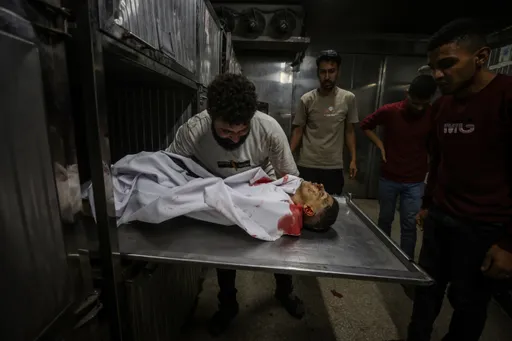
The cost of this deadlock has been catastrophic. With nearly 2 million soldiers estimated killed, wounded, or missing, the war has cemented its place as the bloodiest conflict on European soil since 1945.
Russia has occupied roughly 20 percent of Ukrainian territory, including Crimea, which it illegally annexed in 2014. But gains since the February 24, 2022, invasion have been slow and costly.
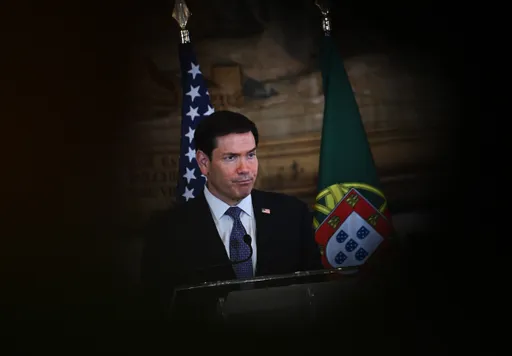
NATO Secretary-General Mark Rutte recently compared Moscow’s advance to “the speed of a garden snail.” In the Donetsk region, Russian troops have inched forward only about 50 kilometres over the past two years in fierce battles for key strongholds.
The Washington-based Centre for Strategic and International Studies estimates Russian casualties at 1.2 million, including 325,000 killed. Ukrainian losses are estimated at up to 600,000 troops, including as many as 140,000 dead.
The think tank said Russia has suffered the highest casualty rate of any major power in a war since World War II, advancing at an average of just 70 meters a day over two years in its effort to capture transport hubs such as Pokrovsk.
Drones have reshaped the battlefield in unprecedented ways, making it nearly impossible for either side to mass troops undetected. Ukraine initially used drones to offset Russia’s advantage in firepower, but Moscow has since expanded its drone operations, including fibre-optic-tethered models that evade electronic jamming.



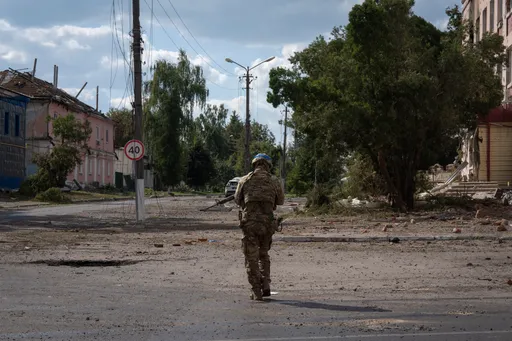
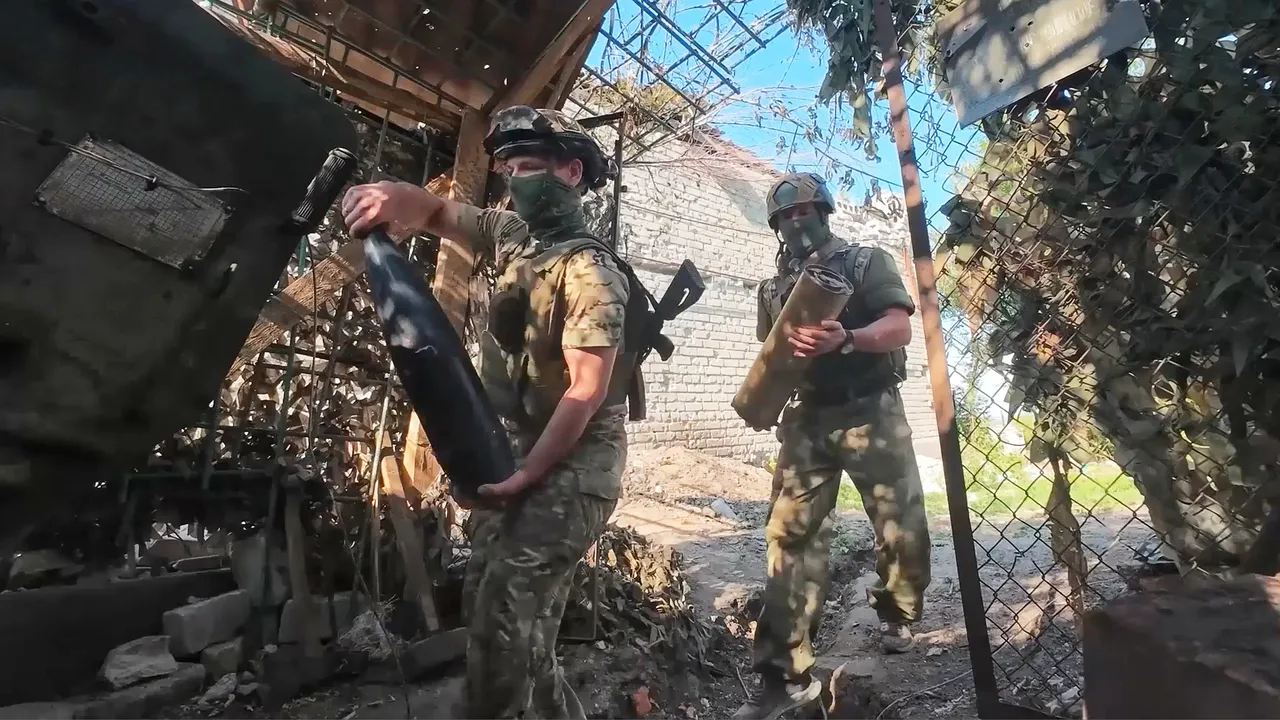
The combination of high-tech drone warfare and World War I-style trench fighting has forced small infantry units to infiltrate devastated towns under constant surveillance. Supplying front-line troops and evacuating the wounded has become increasingly perilous.
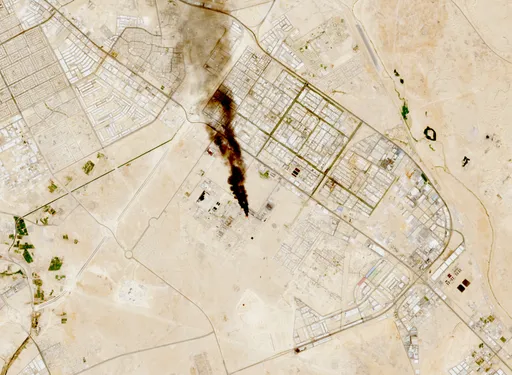
Russia has intensified long-range strikes on Ukraine’s energy infrastructure, causing repeated blackouts in Kiev and other cities during winter. It has also targeted power lines to fragment the national grid.
Ukraine has responded with drone and missile attacks on Russian oil refineries and military assets, sinking several warships in the Black Sea and forcing Moscow to redeploy its fleet from Crimea to Novorossiysk. In a bold operation code-named “Spiderweb,” Ukrainian drones launched from trucks struck air bases deep inside Russia, damaging long-range bombers.
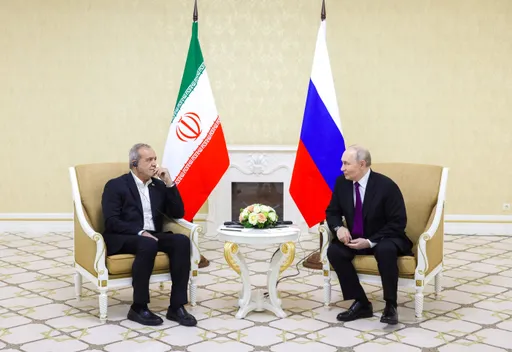
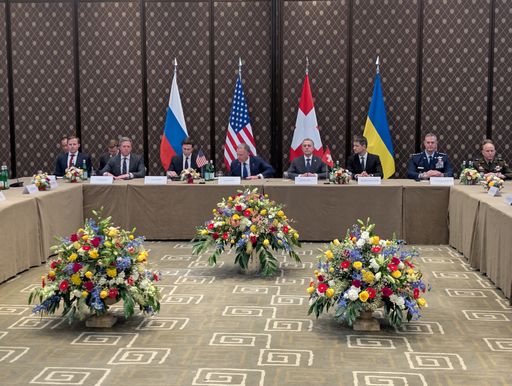
US-mediated peace efforts have faltered amid sharply conflicting demands. President Vladimir Putin insists Ukraine withdraw from the four regions Moscow claims, abandon its NATO aspirations, limit its military and grant official status to the Russian language. Ukraine has rejected those terms.
President Volodymyr Zelenskyy has called for a ceasefire along current lines but refuses territorial concessions without firm security guarantees.
Both sides accuse the other of stalling negotiations. Analysts argue that beyond territory, Moscow’s broader aim is to ensure Ukraine remains within Russia’s sphere of influence.
While Western sanctions, inflation and labour shortages have strained Russia’s economy, defence production has ramped up, and key social groups have been shielded from hardship. Despite mounting costs and historically slow battlefield gains, the Kremlin appears capable of sustaining the war for now.