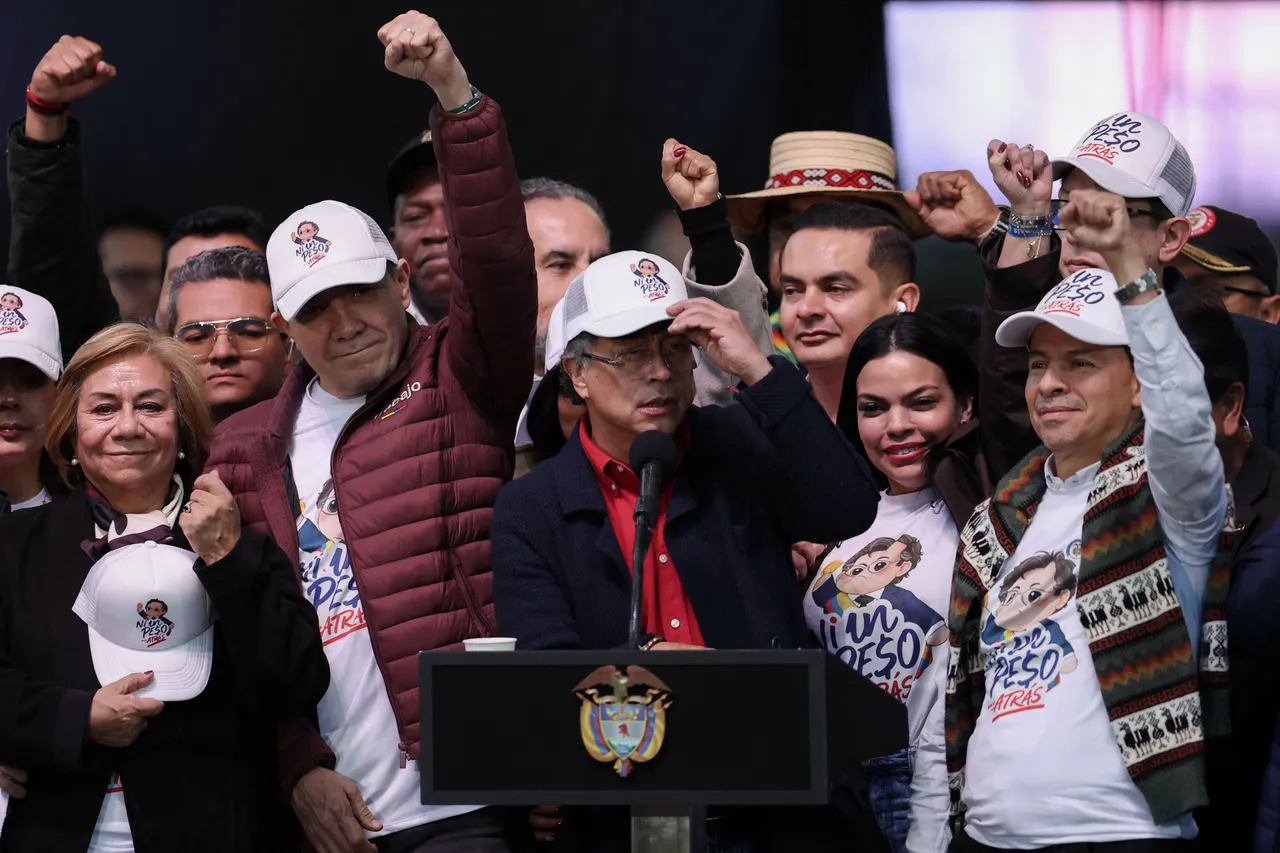
Thousands of demonstrators marched across Colombia on Thursday after President Gustavo Petro called supporters into the streets in response to a court ruling that temporarily blocked his government’s sweeping minimum wage increase.
The protests erupted after the Council of State, the country’s highest administrative tribunal, provisionally suspended the 23.7 percent wage hike decreed in December, citing potential procedural flaws and concerns over its economic impact.
The capital Bogotá became the focal point of demonstrations, with major roads blocked and public transport disrupted as marchers flooded the city center.
Rallies also took place in Cali, Medellín and Barranquilla, reflecting nationwide mobilisation behind the wage measure.
By afternoon, crowds converged on Plaza de Bolívar, where unions, workers’ groups, and representatives from Indigenous and Afro-Colombian communities gathered to show support for the policy.







Proposal resubmitted to the court
Addressing the crowd, Petro struck a defiant tone, insisting his administration would maintain the new minimum wage of two million pesos (about $544) and had not altered “a single digit” of the decree.
He said new technical studies backed the increase and confirmed the government had resubmitted the measure to the court for reconsideration.
The Council of State’s intervention followed lawsuits arguing the decree may have bypassed legal requirements that wage adjustments be weighed against inflation, productivity and the risk of pushing businesses into the informal economy.
With the suspension still in force, the dispute has evolved into a broader institutional standoff, pitting the presidency against the judiciary and raising uncertainty over Colombia’s economic outlook.