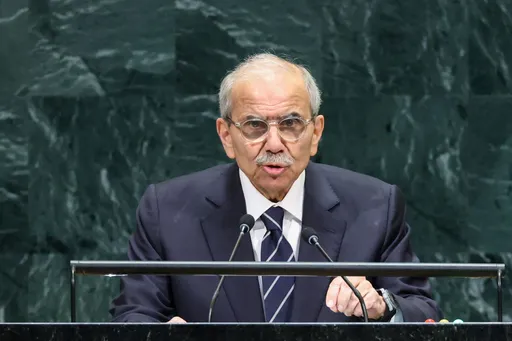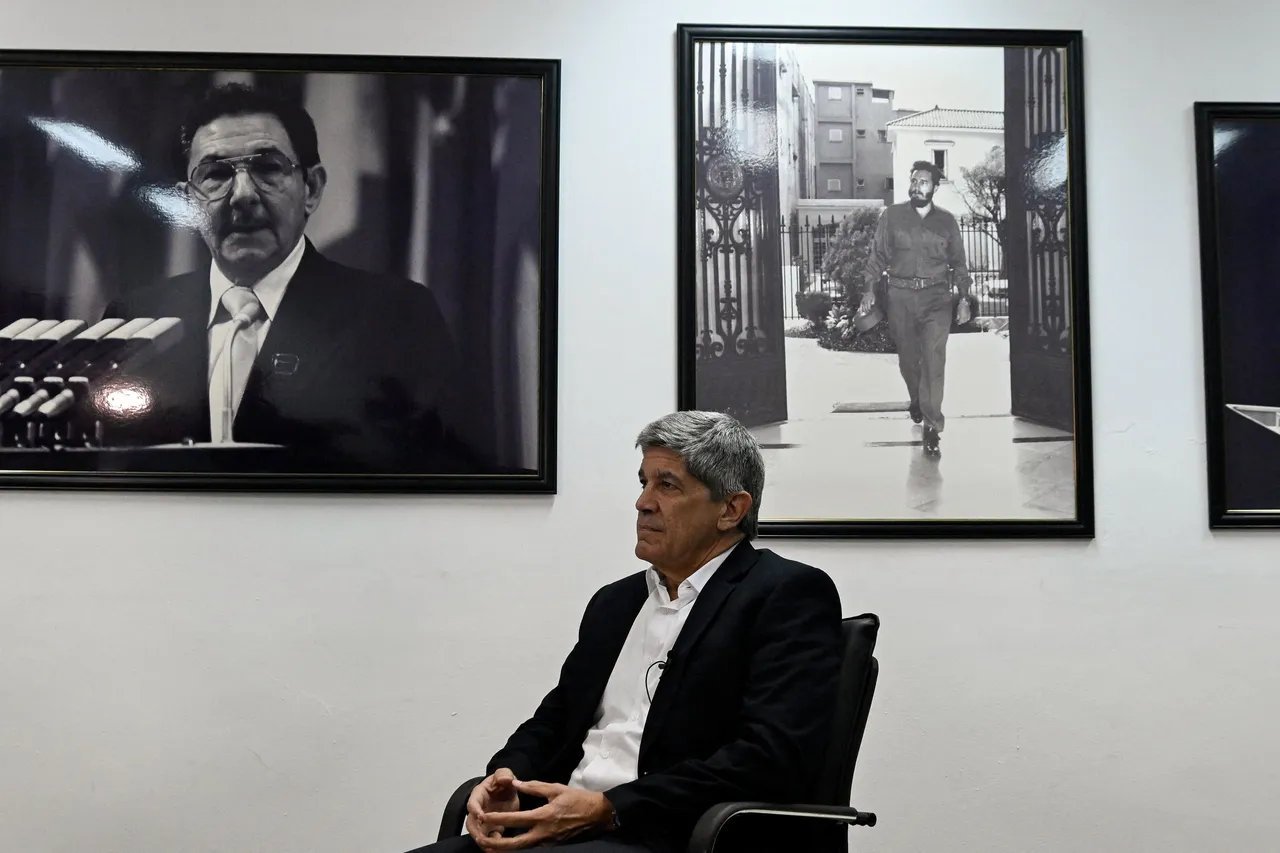
Cuba is open to dialogue with the United States but will not negotiate over its constitutional or political system, Deputy Foreign Minister Carlos Fernandez de Cossio said, as tensions rise following new tariff measures announced by US President Donald Trump.
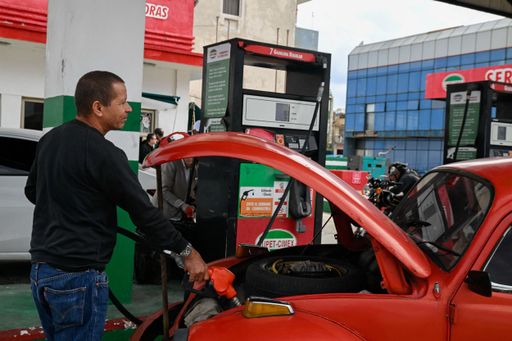
Speaking to CNN on Wednesday, Fernandez de Cossio said recent US actions, including tariffs linked to Cuba’s oil supplies, have harmed the island and intensified pressure on its economy.
“Dialogue would be a better alternative than continued coercive policies,” he said, arguing that engagement, rather than sanctions, offers a more constructive path forward.
The deputy foreign minister said Cuba is willing to cooperate with Washington in specific areas such as combating drug trafficking, noting that Havana has worked with US authorities on the issue in the past and could do so again.
But he drew a clear line when it comes to Cuba’s internal political order.
“We’re not ready to discuss our constitutional system,” Fernandez de Cossio said. “We assume the United States is not ready to discuss their constitutional system, their political system or their economic reality.”



Response to Rubio’s regime change rhetoric
His comments come after US Secretary of State Marco Rubio said Washington would like to see regime change in Cuba.
“That doesn’t mean that we’re going to make a change, but we would love to see a change,” Rubio said in late January.
Trump has said talks with Cuba had begun after he signed an executive order on January 30 imposing tariffs on goods from countries that supply oil to the island, a move the White House said was aimed at protecting US national security and foreign policy interests.
On February 1, Trump said discussions with Cuba were under way, adding: “I think they’re going to come to us and want to make a deal. Then Cuba will be free again.”
Fernandez de Cossio rejected that characterisation, saying there is no active negotiation process with Washington, even as Cuba remains open to dialogue.