 Murat Sofuoglu
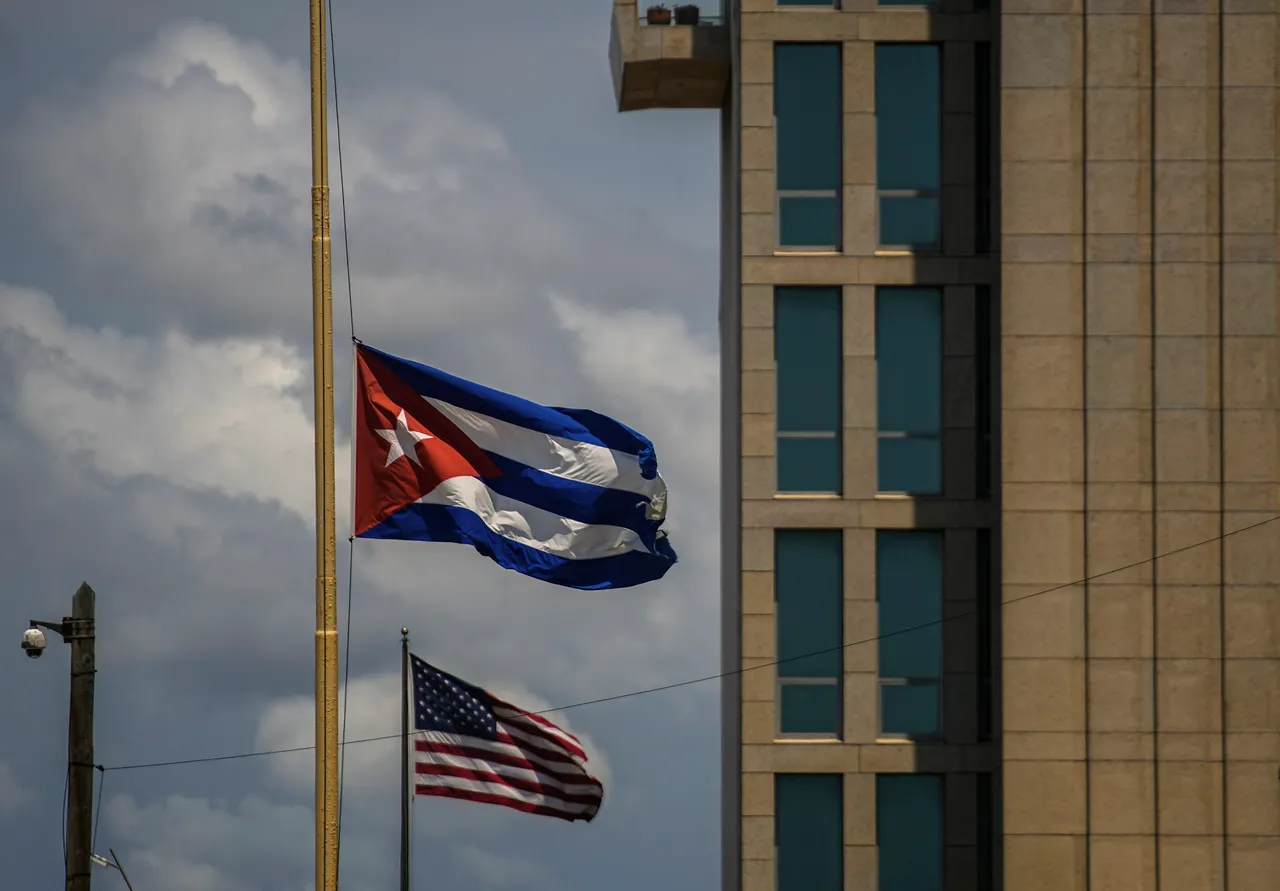
Cuba, a Caribbean island nation, and the US, the dominant power of the Americas, have been at odds since communist revolutionary leader Fidel Castro overthrew the pro-American government of Fulgencio Batista in 1959.
The long dispute between Cuba and the US has led to many American sanctions on the communist state, which has sought alliances with countries like China, Russia, and Iran to lessen the impact of Washington’s economic and political pressures.
After Hugo Chavez’s election in 1998, Venezuela forged a close alliance with Cuba, supplying the island with heavily subsidised oil in exchange for Cuban doctors and other services, giving Havana a significant energy lifeline under western sanctions.
Also, for a brief period between 2015 and 2017, during the Obama administration, Cuban-American relations were normalised, allowing the communist state to emerge from its international isolation.
But with Republican Donald Trump’s rise to power in 2017, this normalisation ended, reinstating the old sanctions regime against Cuba.
Under the second Trump administration, American pressure on Havana has increased as both the president and Secretary of State Marco Rubio, a son of Cuban exiles in the US, have stated that they seek regime change.
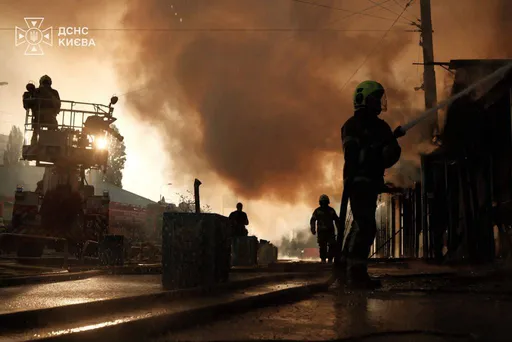
The Cuban state is facing serious energy shortages after Venezuelan oil shipments effectively stopped following political upheaval in Caracas.
Since early January, no Venezuelan oil tankers have left port for Cuba, cutting off a key supply that had powered much of the island’s energy needs amid longstanding sanctions and production struggles.
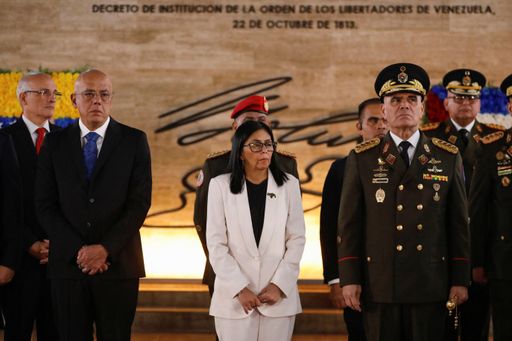
The interim government under President Delcy Rodríguez, which assumed power after the capture of Nicolás Maduro by US forces, is pursuing a rapprochement with Washington that has included ending petroleum exports to Cuba, contributing to fuel scarcity and economic strain on the island.
Furthermore, the Trump administration has threatened to impose trade sanctions on countries that send oil to Cuba.
Another Cuba-US thaw?
On Thursday, a few days after the US designated the Cuban state as “unusual and extraordinary threat”, Cuban President Miguel Diaz-Canel indicated willingness to engage in talks with the Trump administration to reduce tensions between the two nations.
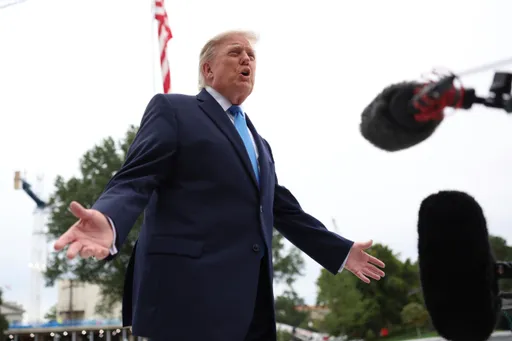
While Trump said that the US “is talking to Cuba”, his reach has, as usual, come with a threat: “It doesn’t have to be a humanitarian crisis,” he said earlier this week, referring to US-linked fuel shortages the country faces, which can lead to electricity cuts, affecting food security and shipments of other essential items.
“I think they probably would come to us and want to make a deal,” Trump added, referring to ongoing communications between the two states, a development Cuban Deputy Foreign Minister Carlos Fernandez de Cossio also confirmed during a recent CNN interview.
Unlike the 2015 rapprochement, which some analysts describe as “an opportunity Cuba failed to capitalise on”, the current political climate offers little prospect for renewed engagement, largely due to a lack of converging interests between Washington and Havana, says Lorena Erazo Patiño, a professor of Global Studies at the University of La Salle in Bogota.
“The 2026 sanctions architecture, which incorporates secondary tariffs on oil suppliers, aims for systemic collapse rather than normalisation. It is evident that the current discourse does not aim to foster dialogue, but rather to dictate terms of economic surrender predicated on the 'failed state' narrative,” Patino tells TRT World.
As a result of the 'resurgence of the Monroe Doctrine in its most pragmatic and aggressive form', Washington aims for regime change rather than a comprehensive deal with the current communist government, Patino says.
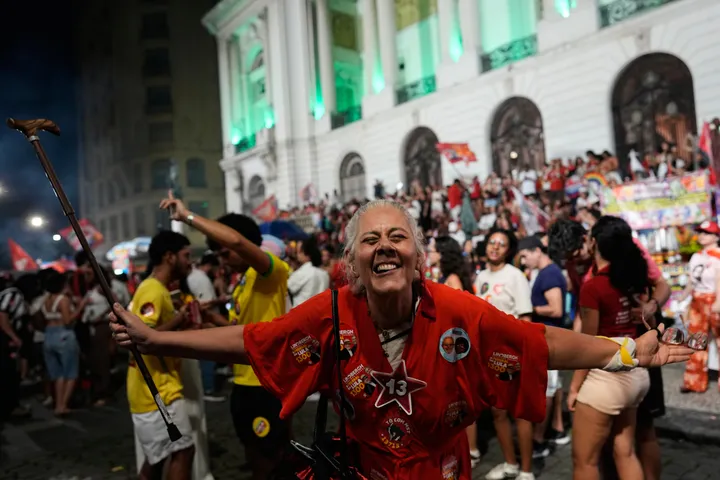


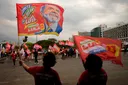
The Monroe Doctrine of 1823 advocated that the Americas should be under US political domination, excluding foreign influence, a stance that has since been interpreted as a barrier to Chinese and Russian interactions with Latin American states.
While Havana, under increasing US pressure, sought to develop a dialogue with Washington, it rejected a regime change approach, stating that “to surrender isn’t an option for Cuba”.
Alfonso Insuasty Rodriguez, coordinator of the Inter-University Network for Peace, approaches recent communications cautiously, viewing the emergence of a genuine thaw as 'highly unlikely.”
A real thaw requires lifting the blockade, respecting Cuban self-determination, and abandoning regime-change policies, but none of these conditions are present in the current context, Rodriguez says.
“History shows that the US uses dialogue not as recognition of sovereignty, but as an instrument of pressure, containment or regional reconfiguration,” Rodriguez tells TRT World.
“From a Latin American perspective, these communications do not alter the central framework of the economic, financial and commercial blockade, which remains the primary mechanism of aggression against the Cuban people.”
“As long as Cuba is treated as a 'problem' rather than as a sovereign political subject, authentic normalisation will remain unattainable,” he adds.
Deteriorating situation
The economic and financial realities on the ground are not very promising for Cuba, as pundits suggest that the US might attempt a Venezuela-style government change in Havana, reaching out to insiders to expedite a political shift similar to Maduro’s removal.
“Technical assessments suggest that Washington has pivoted from promoting internal democratic transitions to incentivizing an external rupture via the systemic collapse of essential services, specifically energy and fuel,” says Patino.
“This is a high-stakes gambit: regime change through structural collapse risks inflicting profound humanitarian distress, including widespread food insecurity, systemic precariousness, and exacerbated poverty.”
Colombia’s President Gustavo Petro’s recent visit to the White House may have further unsettled the Cuban leadership, as the meeting marked a notable shift in Washington’s engagement with a figure who was previously criticised by US officials.
In the run-up to the visit, President Donald Trump had used sharp language against Petro, including past insults and sanctions, but described their encounter as “a great honour” and spoke positively about cooperation on regional issues.
In the wake of Venezuela’s leadership change and Petro’s outreach to the United States, Cuba’s isolation has deepened as Venezuelan oil exports to the island have effectively stopped, forcing Havana to rely more on Mexican fuel supplies, a lifeline now under pressure as Mexico seeks to avoid US penalties for supporting Cuba amid Washington’s tightened sanctions architecture.
“Maduro’s ouster would effectively terminate Cuba’s status as a regional player, regressing the island into a theater of great-power competition. This shift significantly heightens global security risks, as any internal instability could rapidly escalate from a domestic crisis into a direct confrontation between major powers,” says Patino.
“By becoming a focal point of extra-regional interests, Cuba’s domestic survival becomes inextricably linked to the broader strategic calculations of Washington, Moscow, and Beijing, making the prospect of a peaceful, bilateral normalisation increasingly remote.”