 Noureldein Ghanem
Washington, DC — Long regarded as outsiders or fringe within the Democratic Party, progressives and younger candidates have emerged from the US midterm elections with significant gains, signalling a possible shift in the party's political direction.
The Congressional Progressive Caucus has already announced it is welcoming at least 25 new members, taking its membership in the House of Representatives to more than 105 lawmakers. Several of its endorsed candidates flipped competitive or previously Republican-held districts.
The gains, analysts say, point to the growing influence of progressive voices and a younger generation of politicians, potentially reshaping the party's priorities as its leadership and voter base evolve.
Democratic strategist James Butler observes that the party — founded in 1828 as well as the world's oldest active political party — has "shifted younger".
"An inherent part of that is that these younger folks tend to think more socialist and be more left-leaning. But at the same time, the country as a whole is more moderate. So I do think there will be listening to them; I do think the voices will be heard," Butler, who ran twice for Mayor of Washington, DC, tells TRT World.
The 2026 midterms on November 3 produced a huge Democratic wave.
The party secured a sizeable House majority of around 260 seats, and a 56–44 Senate majority after flipping nine seats, including in long-standing Republican states such as Texas, South Carolina, Kansas, and Alaska.
High-profile progressive or left-leaning winners include Abdul El-Sayed, Troy Jackson, Peggy Flanagan, and Melat Kiros.
Several candidates endorsed by the Democratic Socialists of America (DSA) who ran on the Democratic Party ticket also won a number of seats in the US House, predominantly in safe districts.
Butler notes that even as a minority, the Democratic Socialists will have sufficient influence inside the party, and that dismissing these new, vocal, and significant voices would not serve the party well.
"It may mean getting rid of someone like Chuck Schumer, who has been in politics for 50 years," says Butler.

A generational shift
The midterms in the US are usually looked at as a referendum on the administration in power.
Affordability and the cost of living were the number-one priority for voters in the US.
With the war on Iran driving energy prices higher and the tariffs making matters more complicated, it was easy for progressives and socialist-identifying candidates to pitch their message around it.
"You look at Abdul El Sayed. He's not a Democratic socialist, but he is a left-leaning progressive, and he is for universal health care. He is for these dinner table topics of affordability, and that's why I think he was able to sway the vote in his favour," says Butler.
"If you've got a populist message in a time where voters feel they're left behind based on issues of affordability and a focus on a war that's taking from Americans, yeah, sure, you can win because of that."
There was a clear generational shift.
According to election reports, younger candidates, predominantly Democrats, successfully defeated more experienced opponents across the country.
Notable examples include James Talarico and Gina Hinojosa in Texas, El-Sayed in Michigan, Annie Andrews in South Carolina, Melat Kiros in Colorado, and Josh Turek in Iowa.
Democratic Strategist Chris Lapetina tells TRT World that both Democrats and Republicans agree that Americans of both sides of the spectrum want change.
"They don’t think Washington is solving the problems that so many Americans face today," says Lapetina.
President Donald Trump, Vice President JD Vance and several senior Republicans have attributed their party's sweeping midterm defeats to the war on Iran, which has brought mounting economic and political consequences.
The US-Israeli strikes on Iran prompted Tehran to close the Strait of Hormuz, disrupting a vital artery of global oil supplies, triggering an international energy crisis and placing fresh economic pressure on the US and countries around the world.
Moderates still running the show
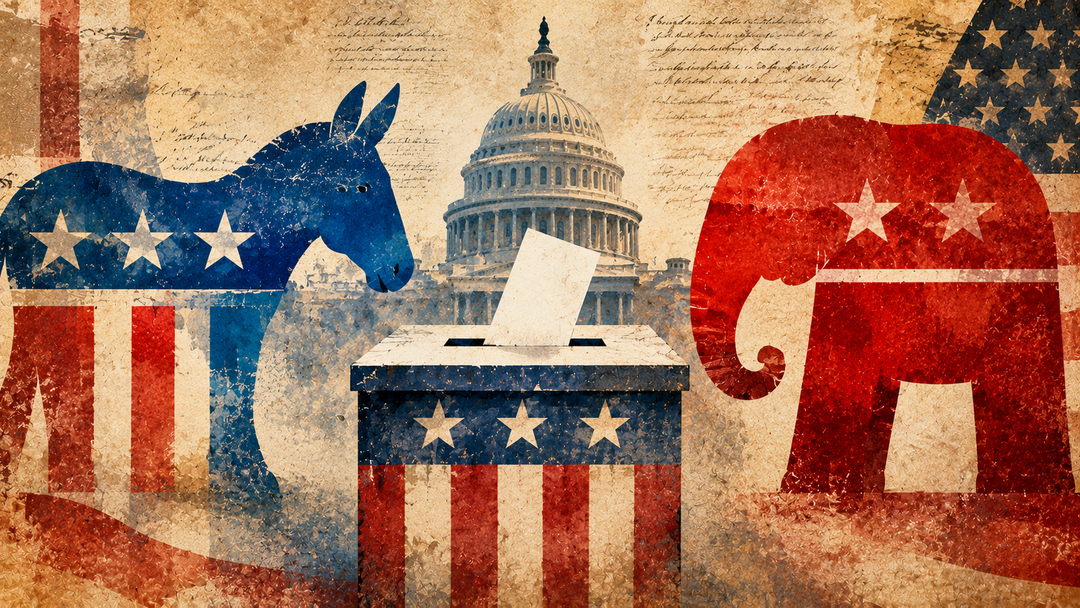
Although progressives and socialists made huge gains in the elections, signalling a change within the party, moderate Democrats or establishment Democrats still won the lion’s share in the midterms.
According to Butler, it will take some time before that erodes.
Many moderate Democrats who won in Republican-leaning or politically competitive constituencies did so by persuading voters who might not identify with the party's progressive wing.
Analysts suggest that moderates were more effective at expanding their reach in red territory than progressives, adding the majority of Democrats right now in the House and Senate "moderate to middle of the road."
Many of the lawmakers whom people portray as socialists are already confirmed capitalists who just seek more social programmes, like El-Sayed, argues Lapetina.
"That’s not socialism; that’s just strong liberal policy. America has seen this before. One of our greatest presidents, Franklin D. Roosevelt, believed in the same policies. He was elected 4 times," Lapetina adds.
An AP Voter poll showed that about half of voters who backed Democratic House candidates identified as moderates, and about one-third of voters who backed Democratic candidates identified as democratic socialists, including just under half of those ages 18 to 29.

With Democrats winning back both chambers, the debate is now about governing instead of winning elections.
With progressives and socialists still a minority, they have to push harder to make their voices heard in Congress.
The party's left flank’s influence could depend on whether it can turn its demands into a broader economic message that resonates across the Democratic coalition.
Lapetina explains that Republicans are trying to steer the conversation from their defeat to a warning about Congress under Democratic leadership, but this could be "wishful thinking”" on their part.
Both moderates and progressives heavily campaigned on key issues like affordability, yet they differed on others like foreign policy and US aid to Israel, which is likely to test the party’s unity.

Why Schumer could fail
Following the election victory, some Democrats, especially progressives, have started putting pressure on Senate Majority Leader Chuck Schumer, demanding changes.
Pakistan-born and Maryland Senator Chris Van Hollen announced a bid to challenge the long-time leader, with both sides claiming they can beat each other.
But progressives are looking at it from a different angle.
Israel’s heavy influence over US politics has become an increasingly hot topic in recent years, especially after the start of the genocide in Gaza in 2023.
With Israeli lobbies financially supporting certain candidates over others, this normally leaves a sour taste in voters’ mouths.
"They (progressives) have issues with them (Schumer and Jeffries) having taken money from certain lobby groups, specifically AIPAC," Butler explains.
"So, there is this idea that if we continue to have these moderates, we're going to get more of the same."
This, however, comes to no one’s surprise, as some have demanded change for a while now.
"Their argument for the most part is that American voters demanded change in Washington and that change should include the leaders of the House and the Senate," Lapetina notes.
The pressure is even higher on Schumer, who has been a long-time outspoken supporter of Israel.
Other issues also include health care, housing and affordability, where progressives demand changes from the two leaders who spent significant time in Congress.
Lapetina says Schumer will have some resistance from Van Hollen, and will ultimately "lose his leadership role."
Van Hollen's support for Medicare for All reflects the growing influence of progressive policies within the Democratic Party.
It is this shifting political landscape that Van Hollen hopes to capitalise on, as the expanding progressive bloc puts pressure on party moderates to make concessions.
"The reason for that is not because there are more socialists, but because they know that the voters are shifting to younger voters, and younger voters tend to be more progressive," Butler says.
According to Lapetina, a victory for Van Hollen might not lead to the policies many expect.
"Even if Van Hollen wins, while he may push for a more liberal agenda, it certainly will not be the agenda that a Democratic socialist like Senator Bernie Sanders would favour," says Lapetina.