 Alfonso Insuasty Rodriguez
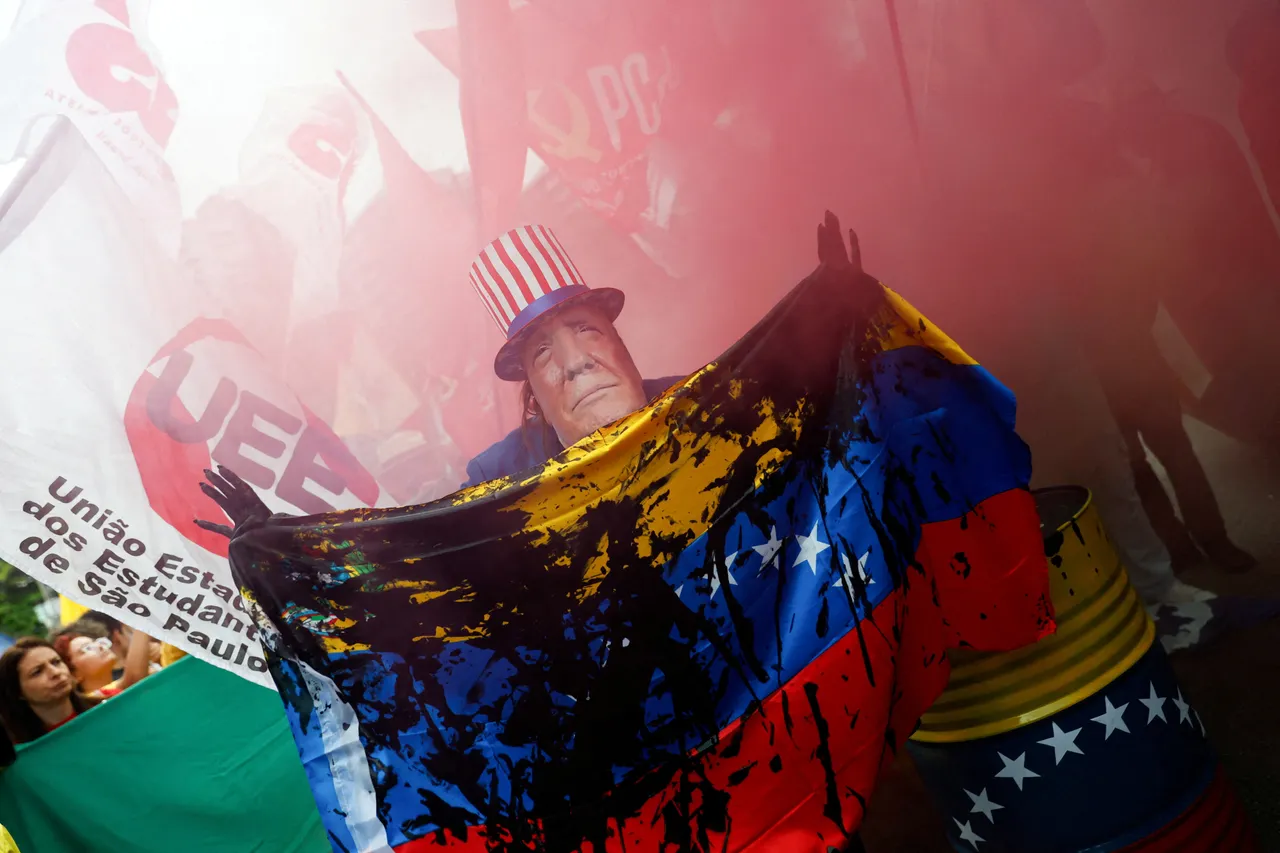
The United States’ military strike in Caracas on January 3 and the abduction of Venezuela’s President Nicholas Maduro and his wife do not constitute an isolated incident nor an anomaly within the international system.
On the contrary, it stands as an unequivocal signal of the historical moment confronting the world order: the collapse of the liberal international order and the rise of a more explicit, direct and violent form of domination, which can be characterised as a global, corporate form of fascism.
The operation to capture and forcibly extract Maduro and his wife, executed through the use of force and without any international legal basis, flagrantly violates the United Nations charter, the principle of state sovereignty and the entire framework of public international law.
It is, without ambiguity, an act of international kidnapping and an act of war. No legal euphemism or diplomatic rhetoric can conceal this reality.
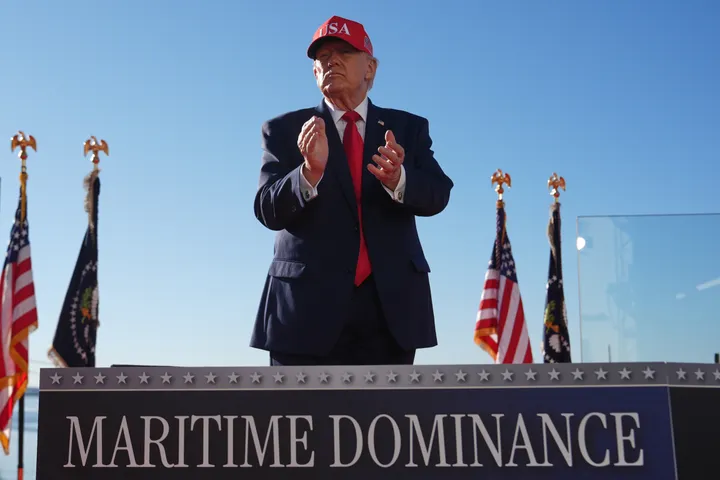
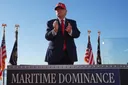
President Donald Trump’s address, in which he states without reservation that the US will “run Venezuela”, marks a discursive turning point.
The masks have definitely fallen. Democracy, human rights and the fight against corruption are no longer invoked as formal justifications.
The motive is explicit and brutal: oil, strategic resources and geopolitical control. Everything else functions merely as a pretext.
This statement represents not only a threat against Venezuela, but a declaration of principles of the new order being imposed: the law of the strongest, administered by an ultra-wealthy elite and by energy, financial, technological and military conglomerates that now appear to control the US state.
We are witnessing a configuration of corporate feudalism, in which entire territories are conceived as spoils of war and people as disposable obstacles or, at best, as sacrifice zones.
Venezuela is not a man, it is a people
Washington once again commits a profound historical miscalculation. Venezuela is not a regime sustained by an individual figure.
It is a political, social and institutional project that has resisted more than two decades of systematic siege: criminal economic sanctions, financial blockade, productive sabotage, psychological warfare operations and permanent strategies of destabilisation.
The abduction of the president seeks to induce demoralisation, internal fracture and political collapse.
Yet the Venezuelan state retains political cohesion, civil–military articulation and an organised communal social base, forged precisely under extreme conditions.
There will be no immediate surrender of sovereignty. Venezuela is unlikely to negotiate its existence as a nation, nor accept its transformation into a colonial enclave.




Acknowledging the gravity of the moment does not negate this reality. Psychological warfare will intensify, economic warfare will persist, and international pressure will increase.
But reducing this conflict to a narrative of “regime change” reveals a profound misunderstanding of the historical and social depth of Venezuelan resistance.
What has occurred in Venezuela must be read within a broader international context.
In recent months, we have witnessed an alleged assassination attempt on the Russian president, Israel bombing countries across the region without facing real sanctions, a paralysed and subordinated Europe, and multilateral organisations reduced to empty statements and ineffective meetings.
Fascism without a mask
The message is unequivocal: the rules no longer apply when the strategic interests of a declining power are at stake.
International law is transformed into a functional fiction, useful only for disciplining the weak.
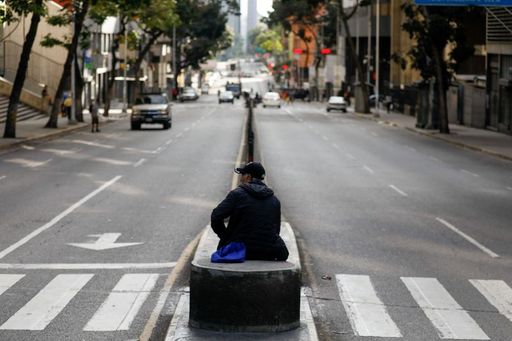
This is the scenario of a civilisational crisis, in which capitalism in decline responds to its own decomposition with greater violence, intensified plunder and the growing dehumanisation of global politics.
Twenty-first-century fascism does not require uniforms or grand ideological narratives.
It operates through armed corporations, militarised markets and captured states, with absolute contempt for life and collective well-being. It does not seek legitimacy, only obedience. It offers no future, only extraction and control.
In this context, refusing to take sides amounts to complicity. Governments that remain silent, look away or align themselves out of calculation, fear, or convenience are accepting subordination, humiliation and, ultimately, the material and symbolic death of their own peoples as an acceptable path.
Faced with this scenario, the only possible response is the unity of the peoples and the firm decision of governments that still claim to be free.
General declarations and abstract calls for peace are not enough. It is imperative to take a historical position, to defend sovereignty, to reject aggression and to break with the logic of imperial domination.
Venezuela is today a frontline, but it is not alone. What is at stake is not merely the fate of a single nation, but the very possibility of a world in which peoples decide their own future without being administered as commodities.
The elite has chosen barbarism; the peoples must choose dignity. History will not absolve those who, having the possibility to resist, choose silence.