Turkish Energy Minister Alparslan Bayraktar has said that Ankara is pressing for long-delayed plans to move Turkmenistan’s vast natural gas reserves across the Caspian Sea to Türkiye and Europe, calling the long-discussed Trans-Caspian pipeline “strategically essential” for the region’s energy security.
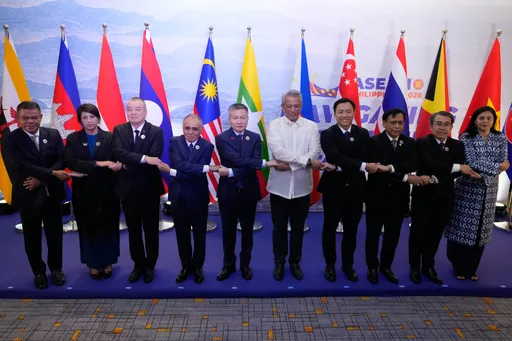
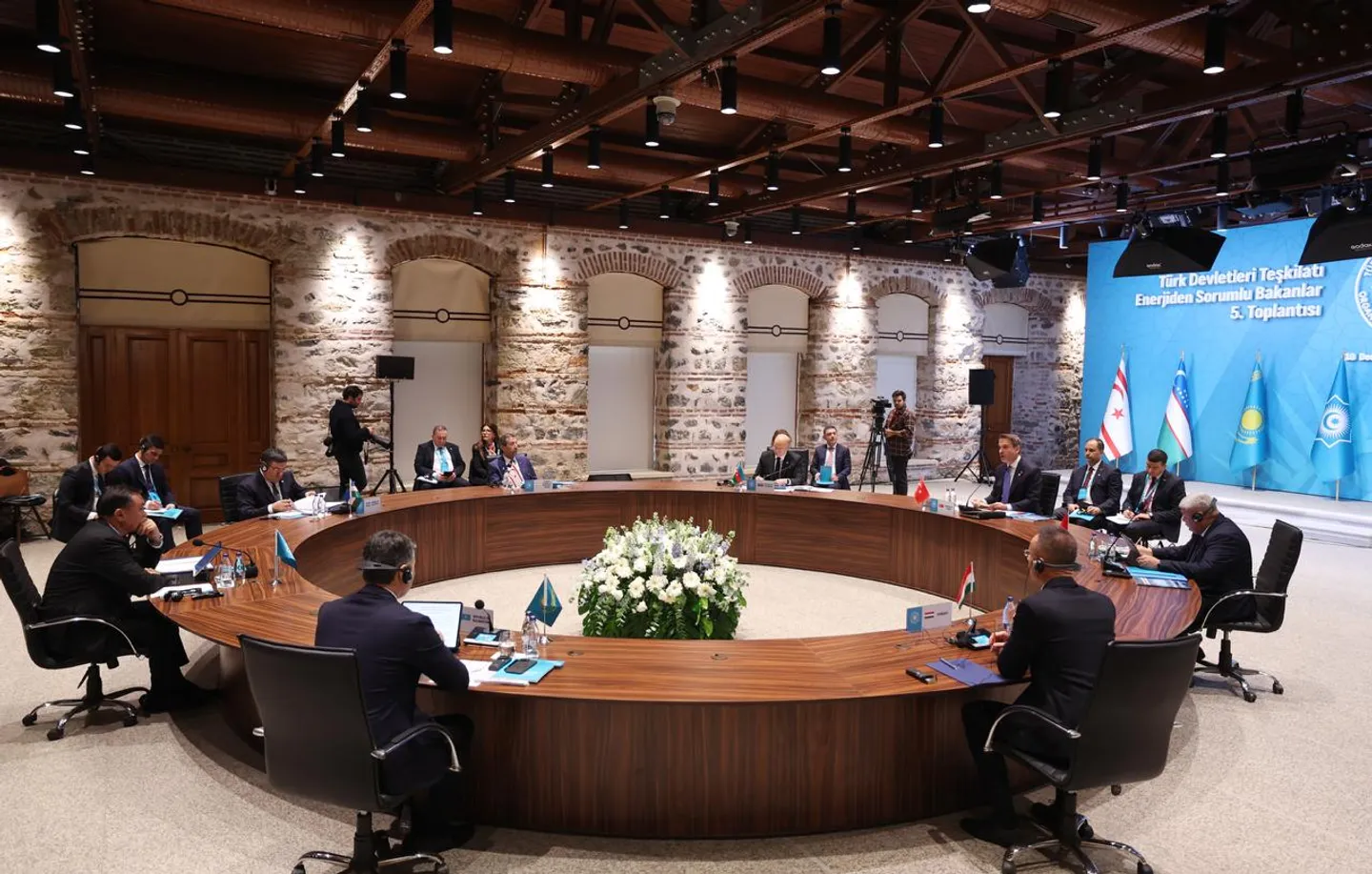
Speaking after hosting the 5th meeting of the Organization of Turkic States (OTS) Energy Ministers Council in Istanbul on Wednesday, Bayraktar said Türkiye formally proposed that the long-stalled project be “made concrete” and advanced in coordination with Azerbaijan, Turkmenistan and other regional partners.
“The ideal solution is for Turkmen gas to reach Türkiye — and from Türkiye, Europe — through a dedicated pipeline,” Bayraktar said, noting that Ankara currently imports Turkmen gas only through swaps. “This project has been on the agenda for nearly 30 years. It is time to operationalise it.”
Bayraktar stressed that the OTS, whose members represent a combined US$2 trillion economy, holds immense untapped potential in natural resources — more than 20 trillion cubic metres of gas, 39 billion barrels of oil and 40 percent of global uranium production. Strengthening cross-border energy links, he said, “will elevate this cooperation to a much higher level.”

New proposals: Mineral cooperation and Caspian electricity link
Türkiye also proposed expanding the OTS energy portfolio to include a dedicated “mining ministers meeting,” aimed at developing strategic minerals crucial for global supply chains. Bayraktar noted the region’s “remarkable potential” in critical raw materials and said a formal platform could be approved at the OTS leaders’ summit Türkiye will host next year.
On regional connectivity, Bayraktar highlighted two priority projects: the Caspian electricity transmission link — which would bring renewable power from Central Asia to Azerbaijan and Türkiye — and long-term integration of electricity, natural gas and oil routes stretching “from east to west without interruption.”
Azerbaijan: Energy alliance entering a new phase
Azerbaijani Energy Minister Parviz Shahbazov said energy cooperation among Turkic states is expanding rapidly, with the bloc’s investment portfolio surpassing US$20 billion, roughly 80 percent of which is in energy.
Shahbazov emphasised that Azerbaijani oil and gas exports through Türkiye — including via the Baku–Tbilisi–Ceyhan pipeline and the Southern Gas Corridor — remain a pillar of regional energy security. Between last year and November 2024, 53 million tonnes of crude from Azerbaijan, Kazakhstan and Turkmenistan reached Türkiye and global markets, he said.
He also pointed to the emerging “Green Energy Corridor,” which for the first time will connect the electricity systems of Turkic states. The Zangezur Corridor, he added, will channel this energy flow to Türkiye.
Central Asian focus: Renewables, diversification, digital transition
Kazakhstan’s Deputy Energy Minister Ilyas Bakytzhan called for accelerating work on diversified regional energy routes and attracting investment into exploration, production and transport infrastructure. He invited all OTS members to join projects in natural gas and LNG and highlighted the importance of integrating digital technologies into regional grids.
Uzbekistan’s Energy Minister Jurabek Mirzamahmudov underscored the strategic importance of connecting renewable energy to European markets. Uzbekistan is working with Azerbaijan and Kazakhstan on the Green Energy Corridor and supports Türkiye and Kyrgyzstan joining the project.
“We need a unified effort in energy, shared technological progress and a clear roadmap for new transmission systems linking Central Asia to the Caucasus and Türkiye, and onward to Europe,” Mirzamahmudov said.
Growing institutional cooperation
OTS Secretary-General Kubanicbek Omuraliyev said strengthening transmission lines, modernising networks and developing interconnection systems would allow Turkic states not only to secure their own energy supplies but also to “supply energy to the world.”
Kyrgyz Energy Minister Taalaybek Ibrayev highlighted an OTS decision to establish a regional center for technology and green initiatives, aimed at supporting a low-carbon transition and strengthening long-term cooperation.
Hungary and TRNC emphasise stability
Hungarian Foreign Minister Peter Szijjarto warned that politicising energy supply leads to “dangerous decisions,” citing disputes within the EU over energy policy. He welcomed cooperation between Hungary’s MOL and Türkiye’s TPAO, particularly in potential Black Sea exploration.
Turkish Republic of Northern Cyprus (TRNC) Foreign Minister Tahsin Ertugruloglu said expanding energy cooperation within the OTS enhances political unity across the Turkic world. He urged de-escalation in the Eastern Mediterranean and called for dialogue between Cyprus’ two communities.