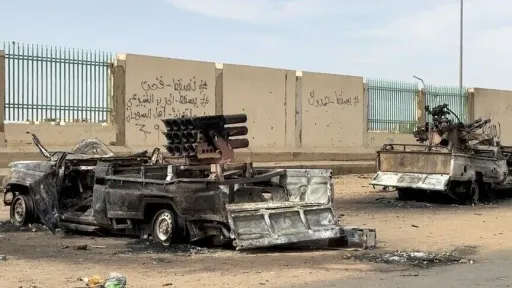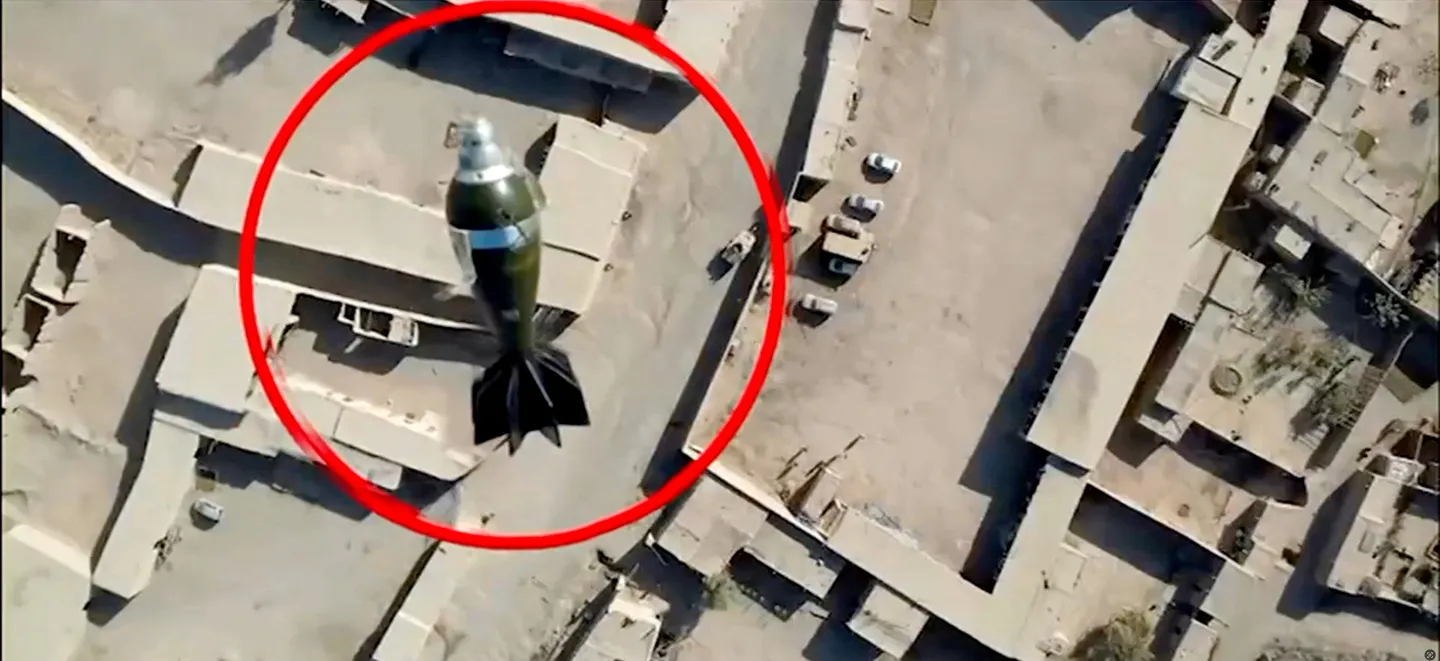
The US has said it is closely monitoring the situation as a 48-hour ceasefire between Pakistan and the Afghan Taliban gets extension, following a deadly violence between the two sides, which resulted in numerous fatalities and property damage on both sides of the Durand Line.
A State Department spokesperson told TRT World on Friday that US is "aware of the recent escalation in tensions and outbreak of conflict between the [Afghan] Taliban and Pakistan, and we continue to monitor the situation closely."
"We would refer you to the White House for further comment," the spokesperson added.
The White House cited "Democrat Shutdown" for delay in responding to Pakistan-Afghan Taliban clashes, attributing it to staff shortages.
In response to TRT World's request for comments, it stated: "Due to staff shortages resulting from the Democrat Shutdown, the typical 24/7 monitoring of this press inbox may experience delays.... As you await a response, please remember this could have been avoided if the Democrats voted for the clean Continuing Resolution to keep the government open."
Diplomats from both sides are currently holding talks in Qatar. Pakistani media reported on Friday that the temporary ceasefire has been extended "until the end of talks in the Qatari capital, Doha."
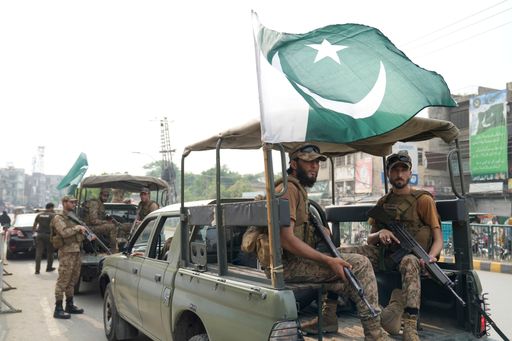
Rise of TTP and links with Afghan Taliban
Pakistan has historically been a key supporter of Afghanistan and the Afghan Taliban.
Pakistan emerged as a frontline state during the Soviet invasion of Afghanistan, hosting neanrly four million Afghan refugees and serving as a conduit for international aid to anti-Soviet mujahideen fighters.
Diplomatically, Pakistan was one of only three countries (alongside Saudi Arabia and the UAE) to recognise the Taliban's Islamic Emirate of Afghanistan in 1997, lobbying for international funding and providing emissary services despite UN sanctions.
Islamabad also championed Afghanistan's global integration through humanitarian aid, trade, border management, and regional collaboration.
However, the violence perpetrated by terrorist groups, especially Tehrik-i-Taliban Pakistan (TTP), within Pakistan has significantly strained its relations with the Afghan Taliban.
The latter returned to power in Kabul following the withdrawal of US-led forces in 2021.
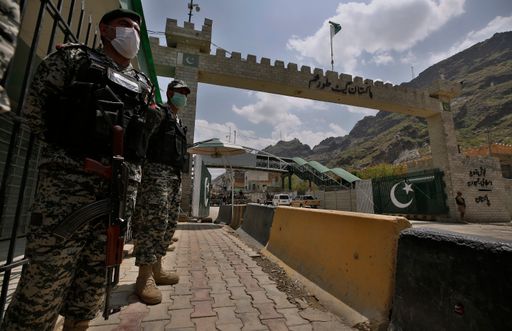
Recent tensions escalated after TTP and allied terrorists attacked a Pakistani border posts, resulting in the killing of 23 Pakistani soldiers. Pakistan said its retaliation, including air strikes in Kabul, Kandahar, and other areas, killed more than 200 terrorists, many of whom were linked to TTP, a group that Islamabad says continues to find sanctuary in Afghanistan.
The Afghan Taliban claims that the majority of those killed were civilians.
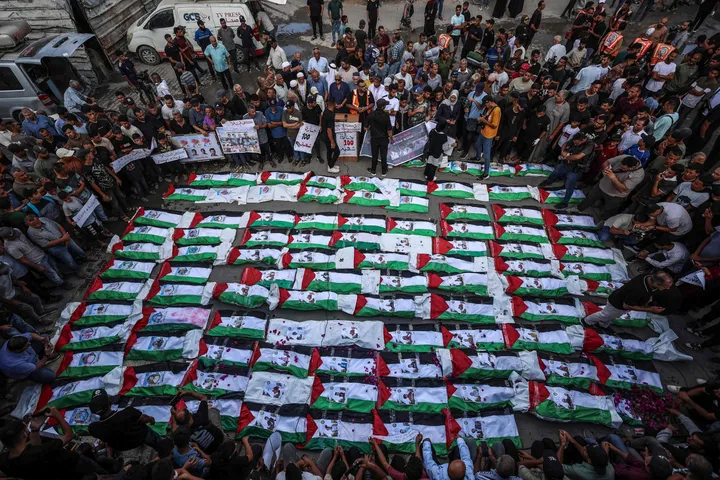
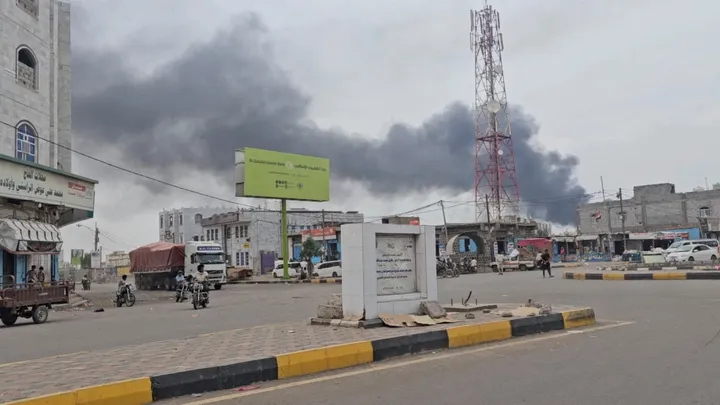
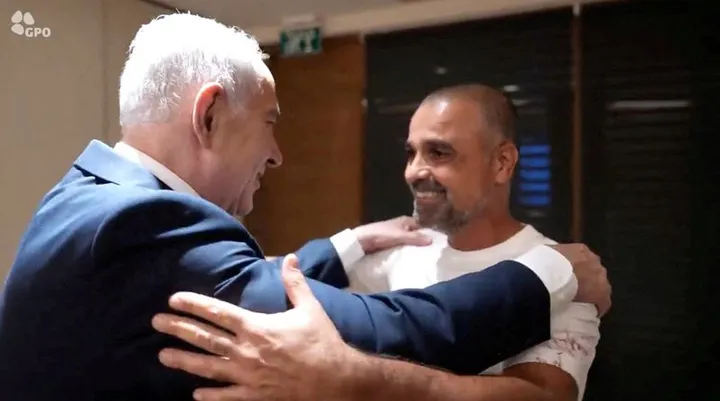

Pakistani Prime Minister Shehbaz Sharif said on Thursday that Pakistan "retaliated" as it lost patience with Afghan Taliban following a series of terror attacks, but was ready to hold talks to resolve the conflict.
According to Pakistani military officials, more than 500 people, including over 311 soldiers, have been killed in attacks, largely carried out by the TTP, so far this year.
The Taliban denies the charge. In its recent statements, it mentioned police firing in Pakistan while Kabul referred to the disputed region of Kashmir as part of India in a joint statement with New Delhi, angering Pakistan.
It has rarely condemned the TTP for attacking Pakistani civilians and military personnel and continues to deny supporting the terror group.
TTP is an alliance of several terror groups formed in 2007 that primarily targets Pakistan.
Many TTP founders and members previously supported the Afghan Taliban and fought against Soviet and NATO forces.
In 2009, TTP leaders publicly pledged allegiance to Afghan Taliban founder Mullah Omar. The current TTP leader, Noor Wali Mehsud, who was apparently targeted by Pakistani air strikes on October 9, has maintained this allegiance to the Afghan Taliban.
A 2024 UN report estimated 6,000–6,500 TTP terrorists in Afghanistan, using abandoned NATO weapons and receiving tacit support from the Afghan Taliban, which treats them as "guests."
Trump's mediation offer
Although the Pakistani military and the Afghan Taliban have clashed in the past, the fighting this month marks their worst conflict in decades. It occurred as the Taliban's top diplomat, Amir Khan Muttaqi, was on his first six-day tour to India.
Referring to Pakistan-Afghanistan clashes, Muttaqi, who once lived and studied in Pakistan as a refugee, told journalists in New Delhi that "The courage of Afghans should not be tested. If someone wants to do this, they should ask the British, Soviet Union, America and NATO, so that they can explain that it is not good to play games with Afghanistan."
Islamabad reacted angrily, with Defence Minister Khawaja Asif claiming Afghan Taliban are now "a proxy of India."
Saudi Arabia and Qatar have mediated to halt the conflict, while China and Iran have urged de-escalation.
Earlier this week, US President Donald Trump stated he could assist in resolving the conflict.
Trump told reporters on Sunday: "I hear there's a war now going on between Pakistan and Afghanistan. I'll have to wait till I get back [from Israel and Egypt]. You know, I'm doing another one, because I'm good at solving wars."