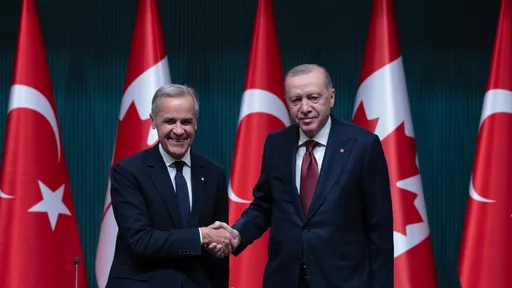
Top diplomats from the Group of Seven (G7) industrialised democracies are converging on southern Ontario as tensions rise between the US and traditional allies like Canada over defence spending, trade and uncertainty over President Donald Trump's ceasefire plan in Gaza as well as efforts to end the Russia-Ukraine war.
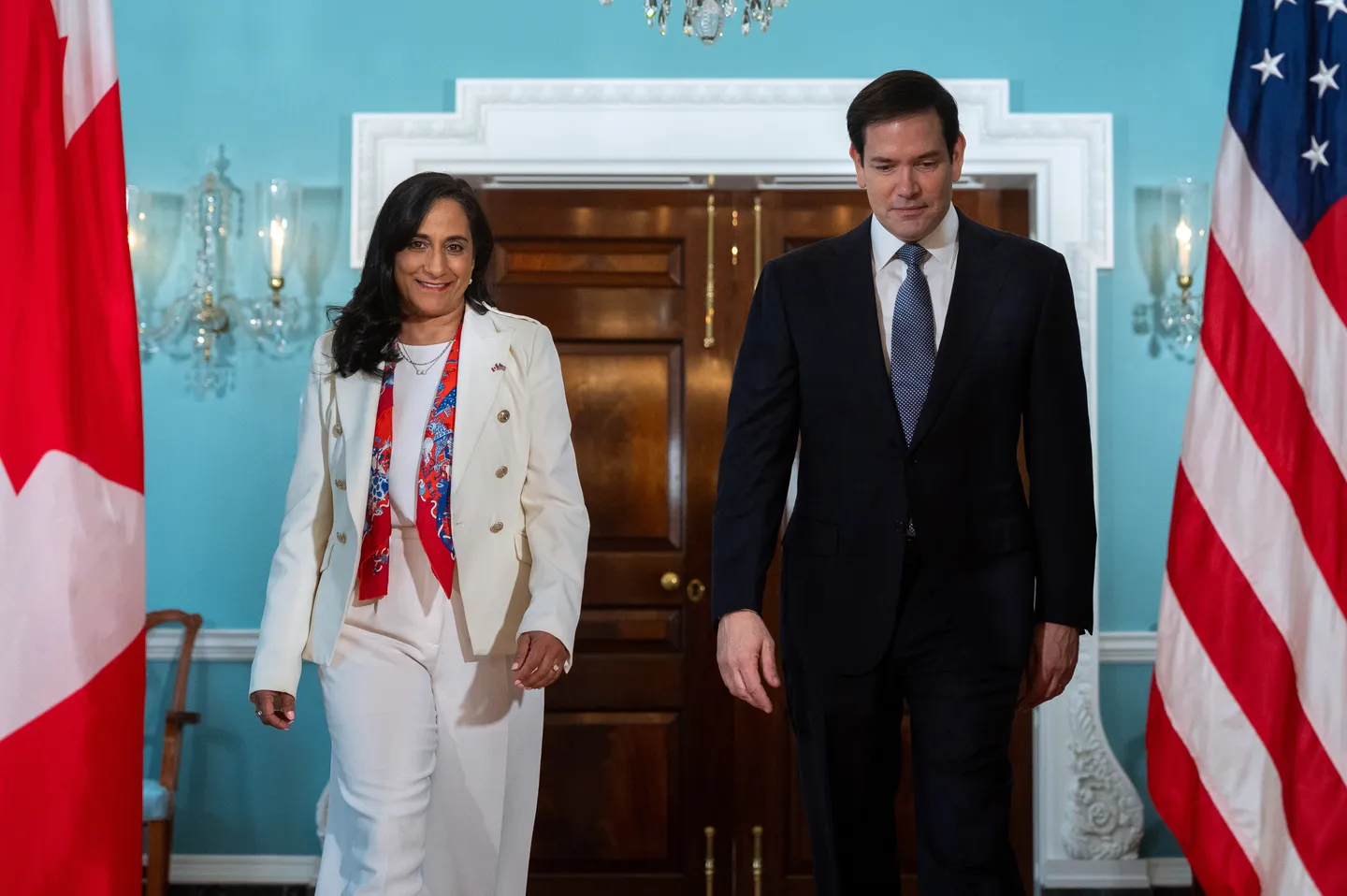
Canadian Foreign Minister Anita Anand said in an interview with The Associated Press that “the relationship has to continue across a range of issues” despite trade pressures as she prepared to host US Secretary of State Marco Rubio and their counterparts from Britain, France, Germany, Italy and Japan on Tuesday and Wednesday.
Anand also invited the foreign ministers of Australia, Brazil, India, Saudi Arabia, Mexico, South Korea, South Africa and Ukraine.
“The work that Canada is doing is continuing to lead multilaterally in an era of a greater movement to protectionism and unilateralism," Anand said.
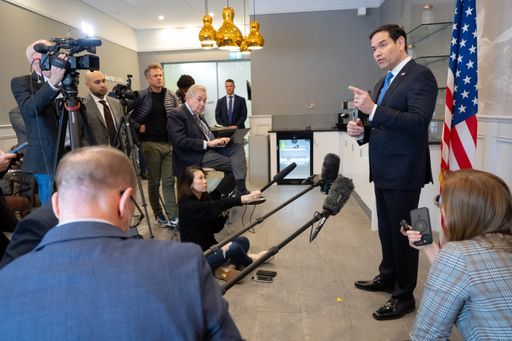
Canada's G7 hosting duties this year have been marked by strained relations with its North American neighbour, predominantly over Trump’s imposition of tariffs on Canadian imports. But the entire bloc of allies is confronting major turbulence over the Republican president's demands on trade and various proposals to halt worldwide conflicts.
Points of contention
One main point of contention has been defence spending. All G7 members except for Japan are members of NATO, and Trump has demanded that the alliance partners spend 5 percent of their annual gross domestic product on defence. While a number of countries have agreed, others have not. Among the G7 NATO members, Canada and Italy are furthest from that goal.

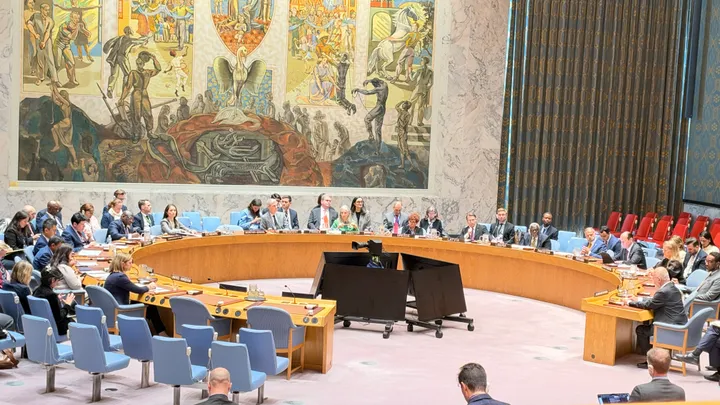


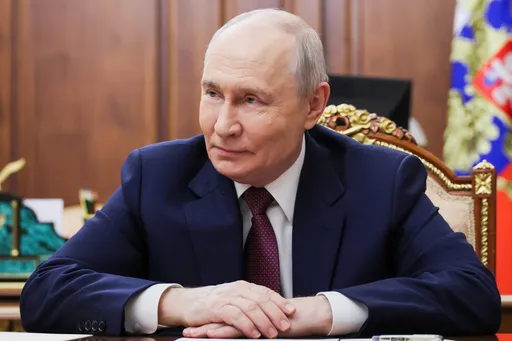
There have also been G7 disagreements over the war in Gaza, with Britain, Canada and France announcing they would recognise a Palestinian state even without a resolution to the conflict. With the Russia-Ukraine war, most G7 members have taken a tougher line on Russia than Trump has.
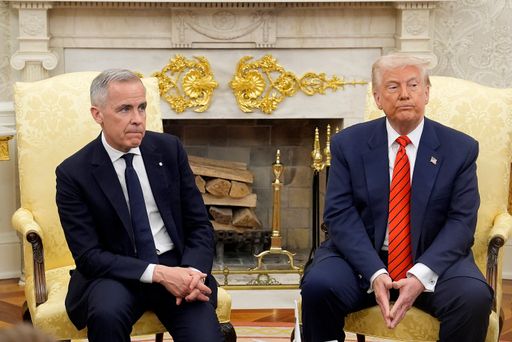
The two-day meeting in Niagara-on-the-Lake on Lake Ontario near the US border comes after Trump ended trade talks with Canada because the Ontario provincial government ran an anti-tariff advertisement in the US that upset him. That followed a spring of acrimony, since abated, over Trump's insistence that Canada should become the 51st US state.
Trump’s Gaza ceasefire plan and the Russia-Ukraine war
Anand said Rubio asked her during a breakfast meeting in Washington last month to play a role in bringing countries to the table to ensure that Trump’s Gaza ceasefire plan has longevity.
US officials said Rubio, who also may have meetings with other G7 counterparts and at least one of the invited non-G7 foreign ministers, would be focused on initiatives to halt fighting in Ukraine and Gaza, maritime security, Haiti, Sudan, supply chain resiliency and critical minerals.
Canada’s priorities include ending the war in Ukraine, Arctic security and security in Haiti. There will be a working lunch on energy and critical minerals that are needed for anything from smartphones to fighter jets. Canada has 34 critical minerals and metals that the Pentagon is eager for and investing in for national security.