 Zeynep Conkar
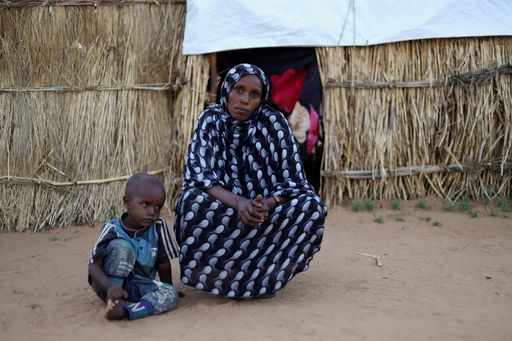
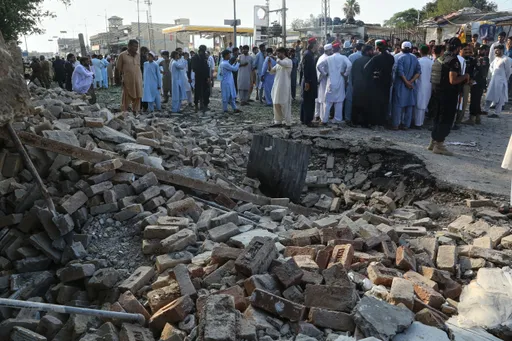
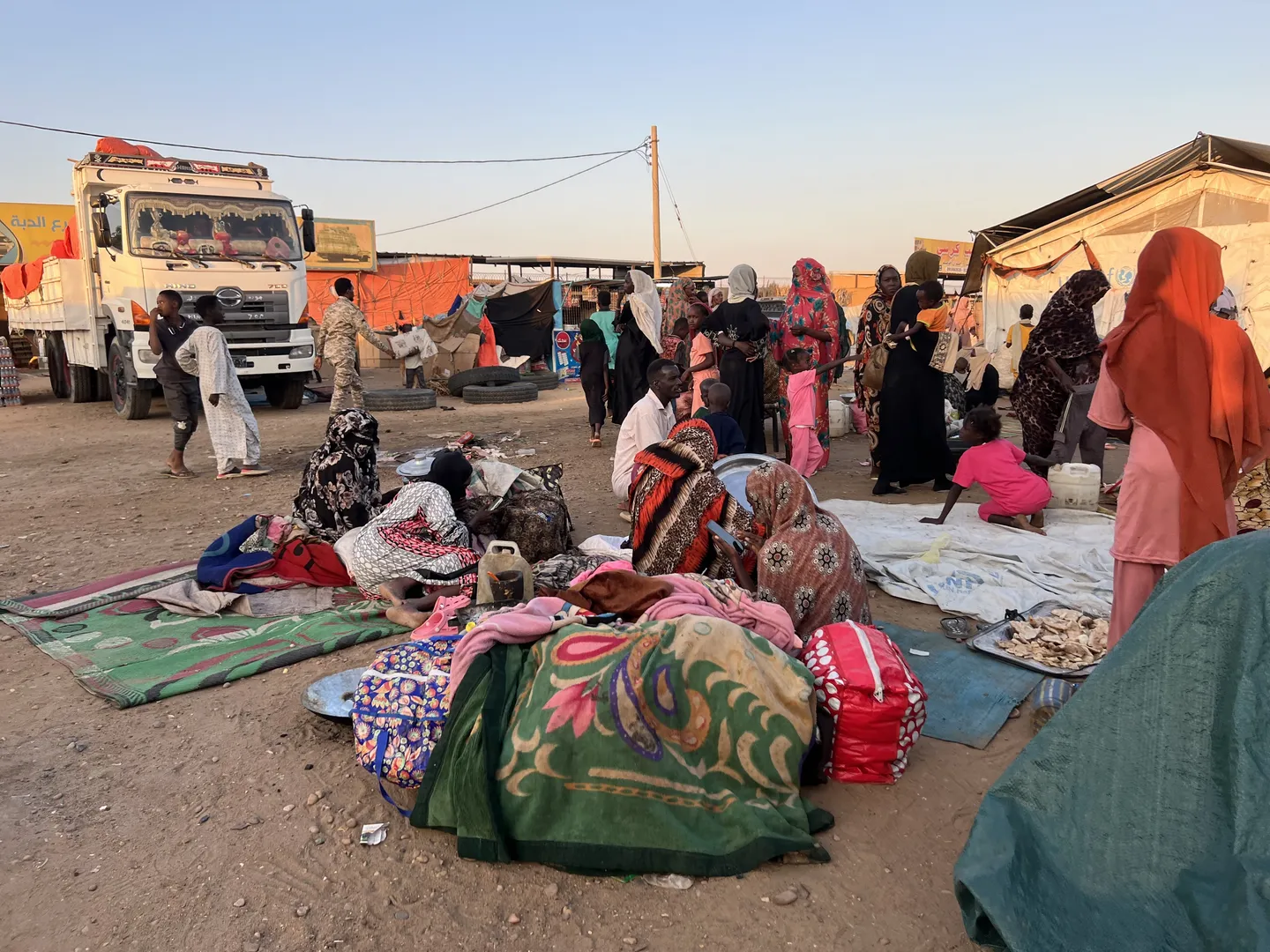
A UN-mandated fact-finding mission’s most detailed report yet on events in Al Fasher has officially acknowledged atrocities long evident on the ground: mass executions, systematic rape, and an 18-month siege targeting non-Arab communities.
The report concludes that the campaign carried out by the Rapid Support Forces bears the "hallmarks of genocide”.
The report, released on Thursday, is not a formal declaration of genocide.
But it is the closest the UN's investigative structure gets to one, and now the question is what any international body intends to do about it.
What is visible and documented on the ground may still need a higher evidentiary standard to fully meet the legal threshold, according to Ensar Kucukaltan, an Africa expert and founder of Voice of Sahel, a platform covering African affairs and the Sahel region.
“In such a case, consequences such as an arms embargo on the RSF and coordinated pressure to cut off financial support may follow. But the real question here is whether sanctions against the RSF will also extend to the countries that support it in the international arena,” Kucukaltan tells TRT World.
“In other words, should only the perpetrator be punished, or should the instigator also be punished? That question has a clear moral answer, yet in international law, where politics routinely complicates legal principles; it is far less straightforward."
The UN mission found that the RSF satisfied at least three underlying acts of genocide: killing members of a protected ethnic group, causing serious bodily and mental harm, and deliberately inflicting conditions to cause physical destruction.
The atrocities were "part of a planned and organised operation that bears the defining characteristics of genocide," Mohamed Chande Othman, the mission’s chair, who called for a thorough investigation, said.
“The scale, coordination, and public endorsement of the operation by senior RSF leadership demonstrate that the crimes committed in and around Al Fasher were not random excesses of war,” Othman added.
For a body that rarely uses the word genocide without years of legal process behind it, the finding carries significant weight. Whether states act on it is a matter entirely different.
The question of intent
Under the 1948 Genocide Convention, three elements must align: a protected group, prohibited acts, and specific intent to destroy that group in whole or in part.
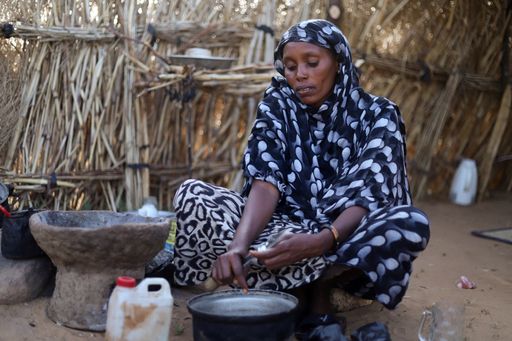
According to the report by the UN-mandated fact-finding mission, Al Fasher meets all three criteria on the evidence presented. The protected groups are the Zaghawa and Fur, both non-Arab Sudanese communities with a long history of targeting in Darfur.
The acts, mass killings, rape, and enforced starvation are unambiguous.
“There has been a long-term genocide in Sudan and that acts similar to war crimes in Gaza have been committed in many respects. In this context, UN reports also provide data suggesting that this could be considered genocide,” Kucukaltan says.
“That said, under the Genocide Convention, international justice will focus on specific criteria: ethnic targeting, systematic conduct, and planned massacres. Therefore, the genocide allegations on the ground may require more evidence within the scope of legal texts.”




On intent, the hardest threshold in genocide law, the mission's findings are unambiguous: perpetrators used ethnic slurs and told victims they were being "exterminated" like the Masalit community in West Darfur.
Survivors described explicit threats to "clean" the city. The report concluded that genocidal intent was the only reasonable inference from RSF actions against the Zaghawa and Fur ethnic groups.

Possible action
Hours after the report's release, the United States Treasury announced sanctions against three RSF commanders, including a brigadier general filmed killing unarmed civilians.
Targeted sanctions are the least cumbersome tool available; they convey disapproval without needing Security Council approval.
The International Criminal Court (ICC), which said in November 2025 that attacks by the Rapid Support Forces in Al Fasher may amount to war crimes and crimes against humanity, now has stronger grounds to pursue a formal investigation.
But the more impactful levers remain paralysed. A binding arms embargo adopted by the Security Council could be effectively blocked as Russia and China defend their respective interests.
“The other countries that have played a role in these massacres must be clearly identified and subjected to meaningful pressure. We know that the RSF alone does not have the capacity to carry out atrocities on this scale,” Kucukaltan says.
“On the other hand, regional countries in particular must urgently end their practices of actively harming Sudan or turning a blind eye to what is happening, driven as they are by narrow domestic political interests,” he adds.
The internationally recognised genocide in Sudan’s Darfur, in the early 2000s, produced a Security Council referral to the ICC, an arrest warrant for Omar al Bashir, and ultimately very little protection for civilians.
The patterns now emerging in Al Fasher are, according to the mission's own assessment, a worsening of the earlier violence on a much more deadly scale.
"As Al Fasher burns and millions face starvation, the world must choose between silence or solidarity," Othman said.
The war in Sudan is a fundamental crisis for the entire region that must not be reduced to Sudan’s instability alone, according to Kucukaltan.
“At the same time, the supply network of armed elements for people and weapons must be cut off immediately,” he tells TRT World.
“If all this does not happen, a process of exhaustion similar to that in Gaza will be inevitable.”