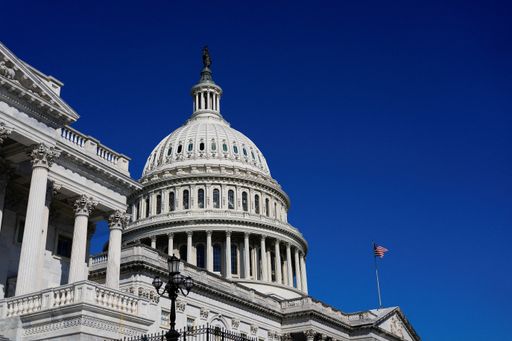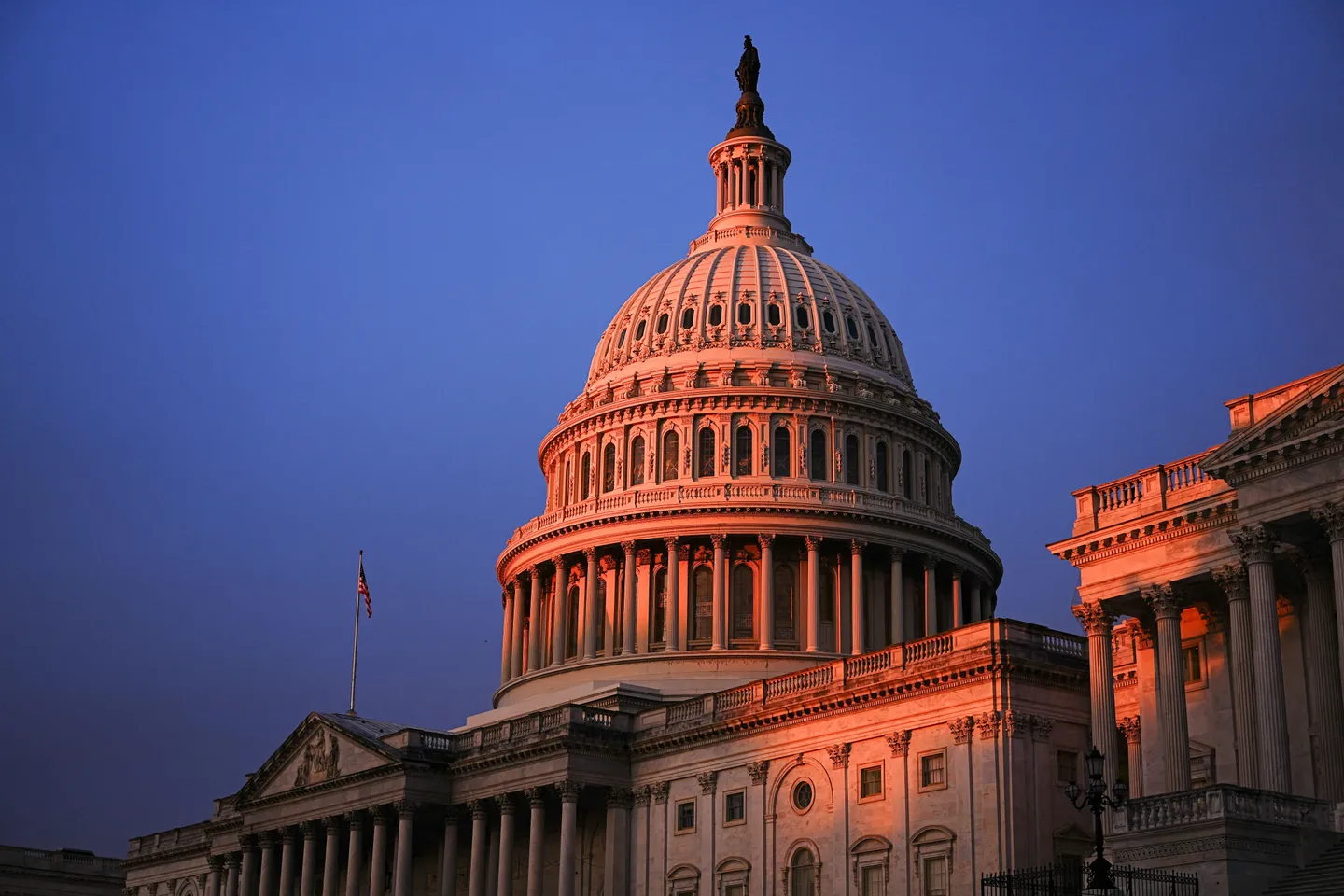
The US Senate has blocked a stopgap funding measure for the 11th time, failing to advance legislation that would reopen the federal government, which has now been shut down for 20 days.
By a vote of 50–43 on Monday, the Senate did not invoke cloture on the motion to move forward with a House-passed measure to fund the government until November 21.
The bill once again failed to reach the 60-vote threshold needed to advance, with no indication the outcome will be different in the next attempt.
Senator Rand Paul voted against the bill, while Democratic Senator Catherine Cortez Masto and independent Senator Angus King joined Republicans in supporting it.
Speaking earlier on the Senate floor, Minority Leader Chuck Schumer criticised Republicans and the White House over the prolonged shutdown, accusing them of refusing to negotiate while millions of Americans face mounting consequences — particularly in health care.
"We enter another week of (President) Donald Trump’s government shutdown, and Republicans seem happy not to work, happy not to negotiate, happy to let health care premiums spike for over 20 million working and middle-class Americans," Schumer said.
Senate Majority Leader John Thune reaffirmed his stance, saying Republicans were willing to discuss Democrats’ health care concerns once the government reopened.
"But none of that is going to happen until Democrats reopen the government," Thune said.
"We’re not going to negotiate on anything until Democrats stop holding government funding hostage."
Accusations of selfishness
Earlier in the day, House Speaker Mike Johnson accused Senate Democrats of staging the "most costly, most selfish, most dangerous political stunt in the history of the United States Congress," calling on them to pass the funding bill and end the shutdown.
Democrats, however, dispute Johnson’s claim that the bill is "clean."







They say it omits critical health care subsidies, warning that millions of Americans could face unaffordable insurance premiums or lose coverage entirely if the subsidies are not restored.
The government shutdown began on Oct. 1 following a breakdown in negotiations over spending priorities.
Thousands of federal employees remain furloughed or are working without pay as key services continue to be suspended across the country.
Continuous shutdown
Democrats dispute Johnson’s claim of a "clean" bill to restart the government.
In rejecting the resolution bill, they cite Republicans’ refusal to restore health care subsidies to avoid millions of Americans facing sky-high insurance costs or losing their coverage.
Democrats say they had warned months earlier that they would not support another continuing resolution unless it included the subsidies, which they view as essential to protecting access to affordable health care.
The Senate is set to reconvene Monday to hold an 11th vote on whether to advance a House-passed bill aimed at funding the government and ending the shutdown.
The measure has failed to reach the 60-vote threshold in each attempt so far, with no indication the outcome will be different this time.