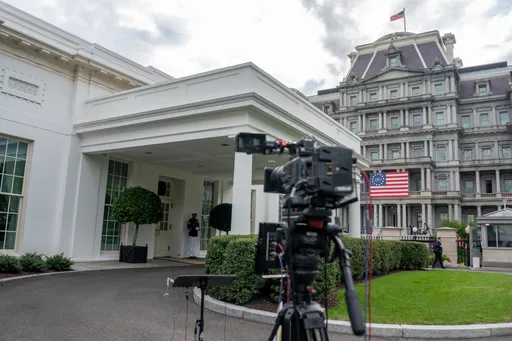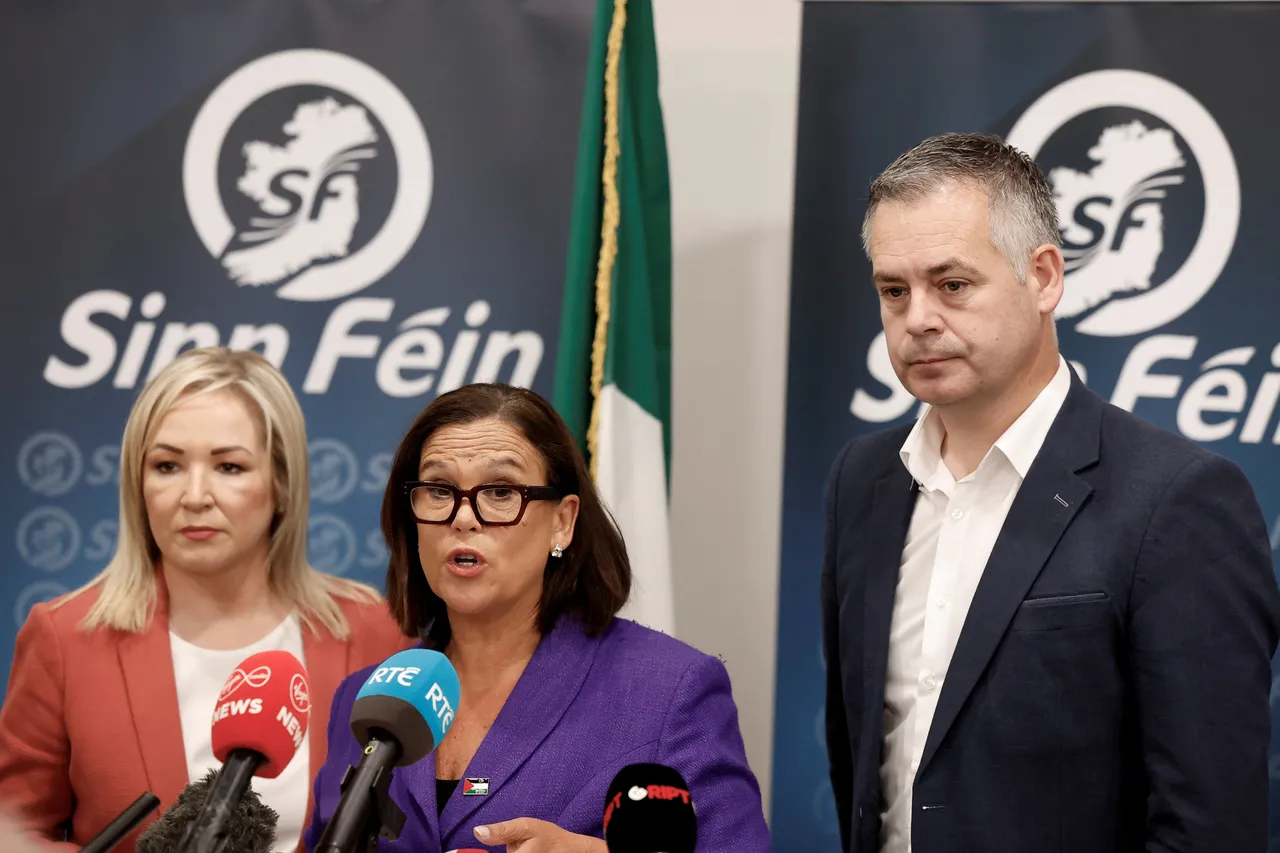
Sinn Fein will not attend St Patrick’s Day events at the White House for a second consecutive year, with the party’s leadership citing Israel's Gaza genocide and the humanitarian crisis facing Palestinians.
The party president, Mary Lou McDonald, confirmed the decision on social media on Monday, saying the situation in Gaza and the occupied West Bank had not improved since last year’s boycott.
“The situation on the ground in Gaza and the occupied West Bank remains dire. Israeli attacks on Gaza have not ended. The genocide continues,” she said.
“It is important that Sinn Fein uses its voice to demand that international law is upheld and peace and justice prevail.”
McDonald stressed that the party’s decision should not be interpreted as a rupture in those broader ties.
“Ties between the people of Ireland and the United States are very important,” she added.
“As a party, we have deep and enduring bonds that go back decades. These relationships were critical in the peace process and in the campaign for Irish reunification. Those relationships will continue,” she said.



Northern Ireland’s First Minister Michelle O'Neill also said she has taken the decision not to attend this year’s St. Patrick’s Day events at the White House due to the situation in Gaza and the occupied West Bank.
"I deeply value the historic relationship between Ireland and the United States, and I remain committed to working with US figures to strengthen our peace and grow our economy," she said through X.
"However, despite the hopes and promises offered by the ceasefire agreement in Gaza, horrific Israeli military attacks continue. I cannot and will not look away from systematic human rights abuses and flagrant breaches of international law by Israel," she said.
"It is my responsibility as a political leader to stand firmly on the side of humanity," she added.
St Patrick’s Day celebrations at the White House are a longstanding fixture of Irish-American diplomacy, symbolising the close political and cultural ties between Ireland and the US.
Attendance by Irish political leaders from Northern Ireland has traditionally been seen as an opportunity to reinforce transatlantic relations and highlight the role of successive US administrations in supporting the Northern Ireland peace process.