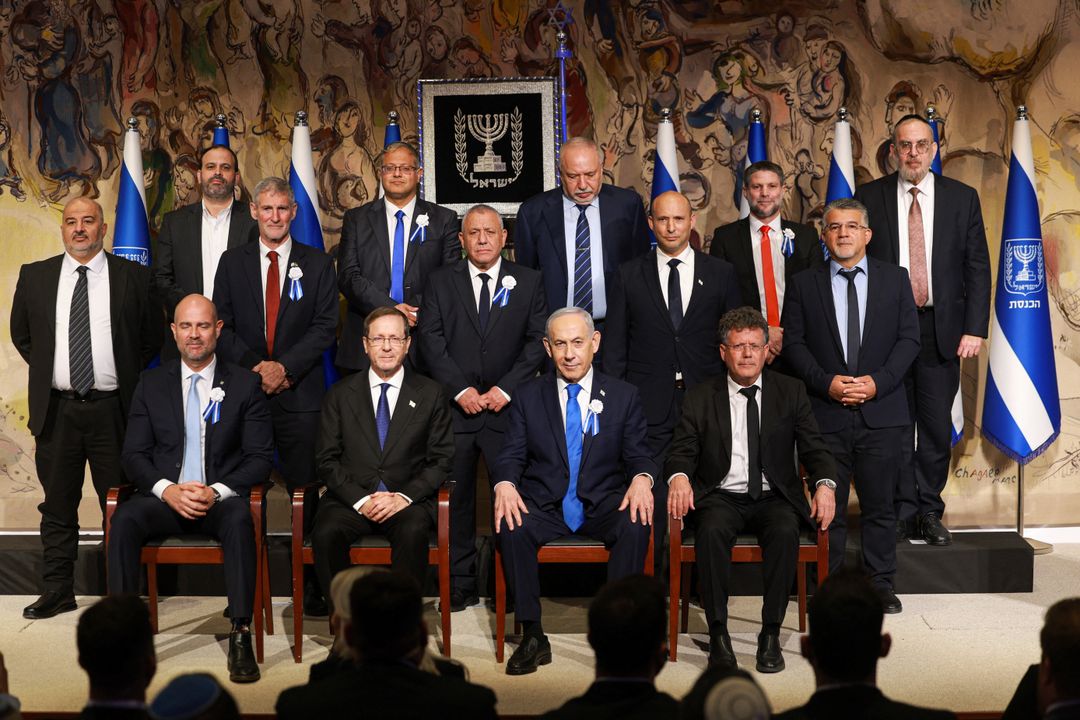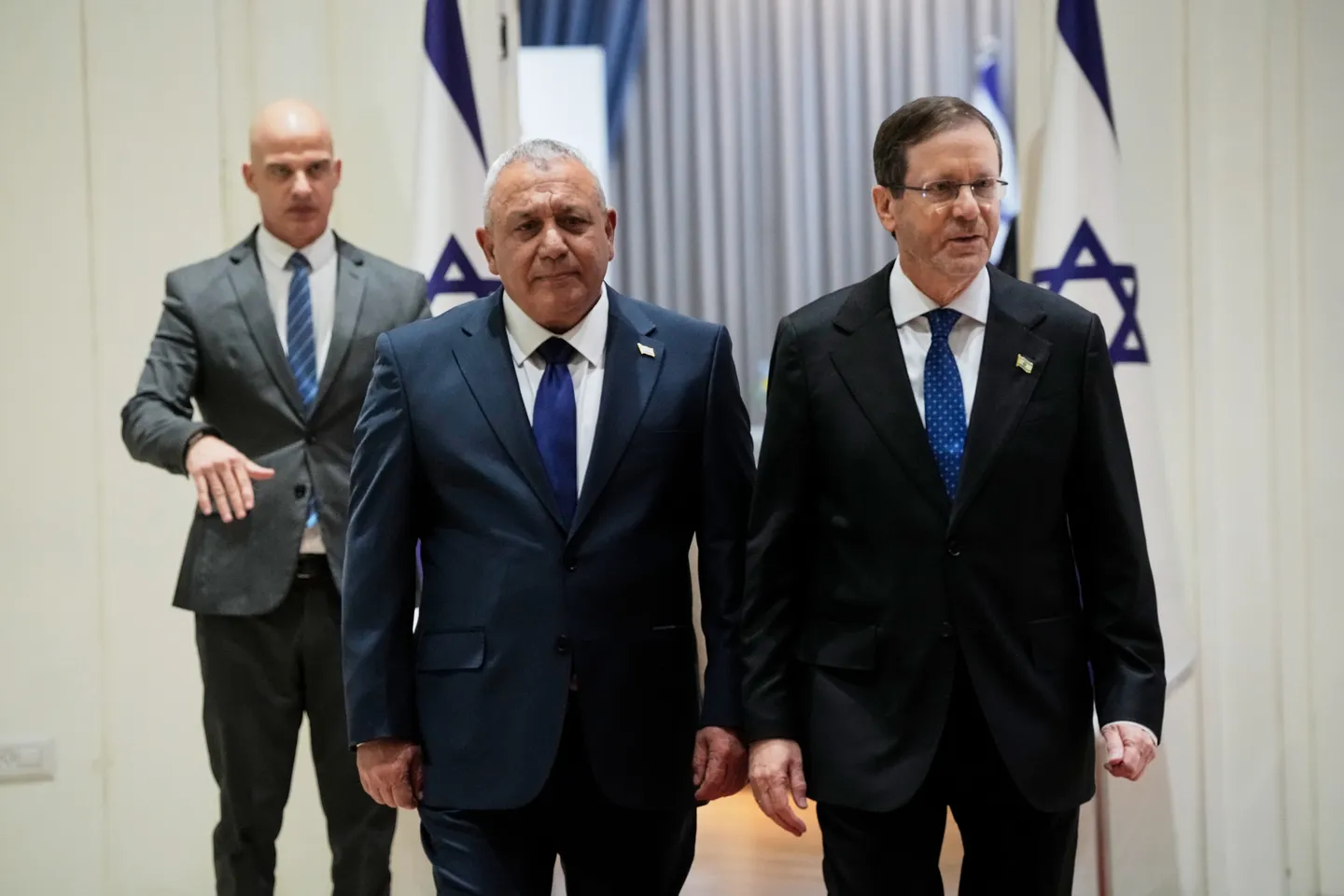
Israeli Prime Minister-designate Gadi Eisenkot plans to inform President Isaac Herzog next week of his government formation, the Walla news website reported on Tuesday.
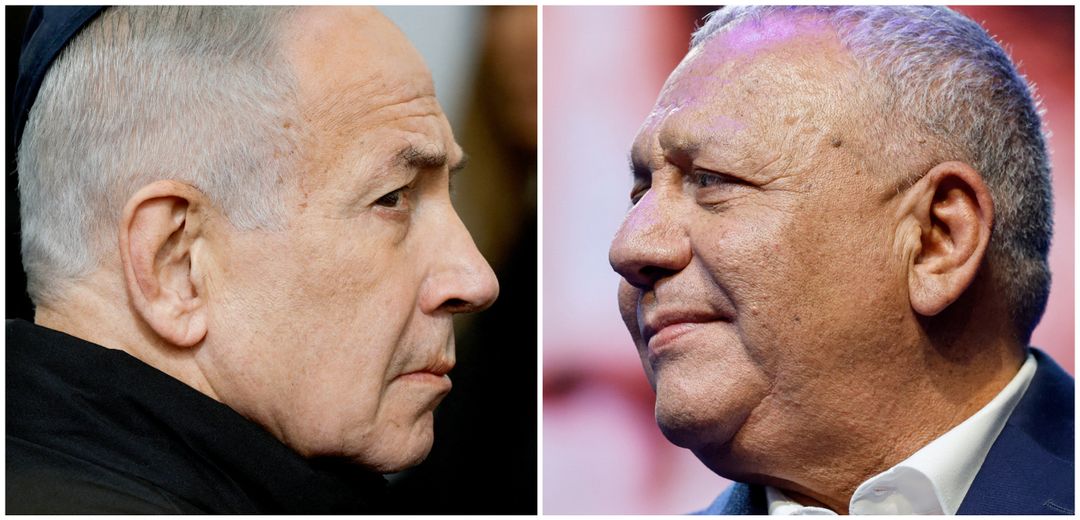
Walla said Eisenkot, leader of the Yashar party, intends to conclude negotiations with caretaker Prime Minister Benjamin Netanyahu’s Likud and the ultra-Orthodox parties by the end of this week.
If those talks fail, he plans to move ahead with a government relying on outside support from Arab parties and would not seek an extension of his mandate, according to the report.
Eisenkot did not comment on the report.
His initial 28-day mandate to form a government expires on December 6 and can be extended by an additional 14 days.
Under Israel’s Basic Law, notifying the president that a government has been formed does not bring it into office automatically.
Confidence vote
The proposed Cabinet, its programme and distribution of ministerial portfolios must still be presented to the Knesset for a confidence vote in a session held within seven days of parliament being notified that a government has been formed.
Walla said Eisenkot is determined to remove Netanyahu from office and move ahead with forming a government even if negotiations with Likud and the ultra-Orthodox parties fail.
According to the website, the delay in announcing a government is largely due to Eisenkot’s efforts to accommodate two of his main partners.
Former prime minister Naftali Bennett is insisting that all options for forming a national unity government with Likud be exhausted, while Yisrael Beiteinu leader Avigdor Lieberman wants to explore the possibility of bringing ultra-Orthodox parties into the coalition.
“Eisenkot’s camp aims to conclude talks on both tracks by the end of this week, with the intention of informing the president, possibly at the beginning of next week, that he has succeeded in forming a government,” Walla said.
Minority government
The timetable could shift by a day or two but said this is the current course being pursued by Eiseknot’s Change Bloc, which had decided not to prolong negotiations unnecessarily or request an extension from Herzog, the website added.
If negotiations with Likud and the ultra-Orthodox parties fail, Eisenkot intends to form a minority government made up of Change Bloc parties and rely on outside support from Arab parties in the Knesset confidence vote, Walla said.
The Change Bloc comprises Eisenkot’s Yashar party, Bennett’s Together party, Lieberman’s Yisrael Beiteinu and the Democrats led by Yair Golan. The four parties hold 48 seats in the 120-member Knesset.
The Joint List and the United Arab List, or Ra’am, together hold 19 seats, meaning support from their lawmakers would give an Eisenkot-led government the backing of 67 members.
Arab support without coalition
Regarding Eisenkot’s campaign pledge not to rely on Arab parties, Walla said he would consider himself to have upheld that commitment as long as those parties were not coalition partners or members of the government itself.
“If Arab Knesset members choose to vote in favour of forming this government, Eisenkot will make clear that this is their decision alone,” the website said.
Arab parties in Israel’s Knesset are signalling readiness to support Gadi Eisenkot in replacing Benjamin Netanyahu, potentially allowing him to form a minority government without joining the coalition.
The Joint List has indicated it would help bring down Netanyahu’s government, while Ra’am leader Mansour Abbas has expressed confidence that differences can be bridged to form a stable government.
Although Arab parties do not consider an Eisenkot-led government their preferred option, they see it as preferable to another Netanyahu government or fresh elections that could prolong his caretaker premiership, Walla reported.