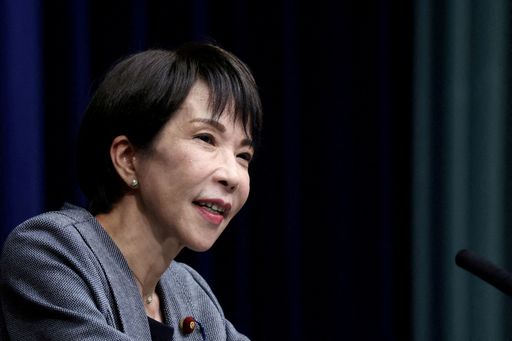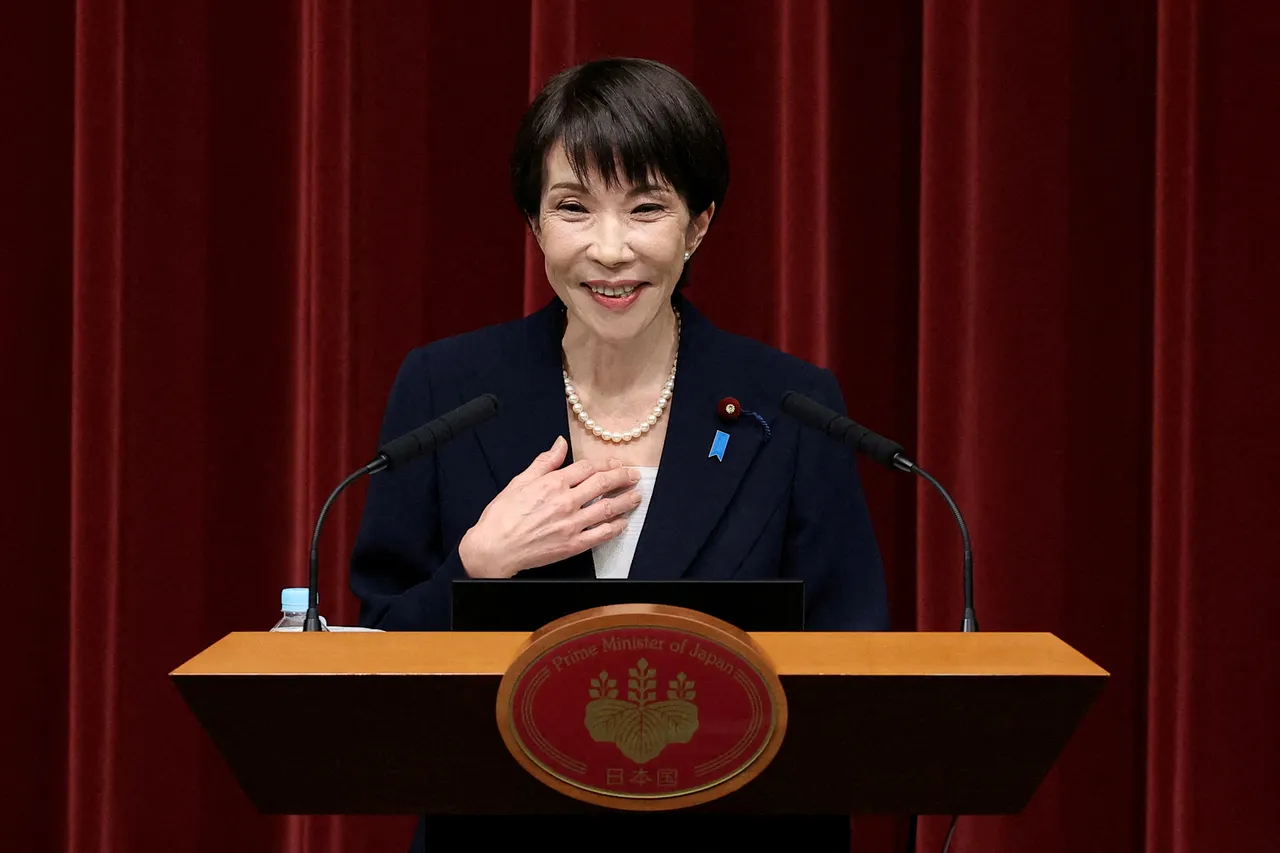
Japan’s Prime Minister Sanae Takaichi has said she will dissolve parliament ahead of a snap election scheduled for February 8, seeking to capitalise on strong cabinet approval ratings.
Takaichi, Japan’s first woman leader, announced earlier this week that she plans to dissolve the lower house to seek public backing for measures aimed at easing rising living costs and boosting defence spending.
Her ruling coalition, led by the Liberal Democratic Party, holds only a slim majority in the powerful lower chamber, while the party itself continues to face low approval ratings and fallout from a series of scandals.
Takaichi is hoping that broad support for her cabinet will translate into a stronger mandate despite public dissatisfaction with the LDP.
Government data released on Friday showed inflation slowed in December, helped by subsidies for electricity and gas.
Core consumer prices rose 2.4 percent year on year, down from 3 percent in November, though still above the central bank’s 2 percent target.






Rising prices were a key factor behind the political downfall of former prime minister Shigeru Ishiba, whom Takaichi replaced in October.
While Japan had long struggled with deflation, it has more recently faced surging living costs and a weak yen.
Rice prices have become emblematic of the pressure, rising more than 34 percent in December compared with a year earlier, official data showed.
Takaichi’s cabinet has approved a record 122.3 trillion yen budget for the fiscal year starting April 2026, but critics warn dissolving parliament could delay its passage.
Jun Azumi of the main opposition Constitutional Democratic Party said the move would "sacrifice livelihoods."