US officials have said that scheduled flight capacity will be cut by 10 percent from Friday in 40 of the country’s busiest air traffic areas, as the longest-ever federal government shutdown continues to strain staffing levels and disrupt travel nationwide.
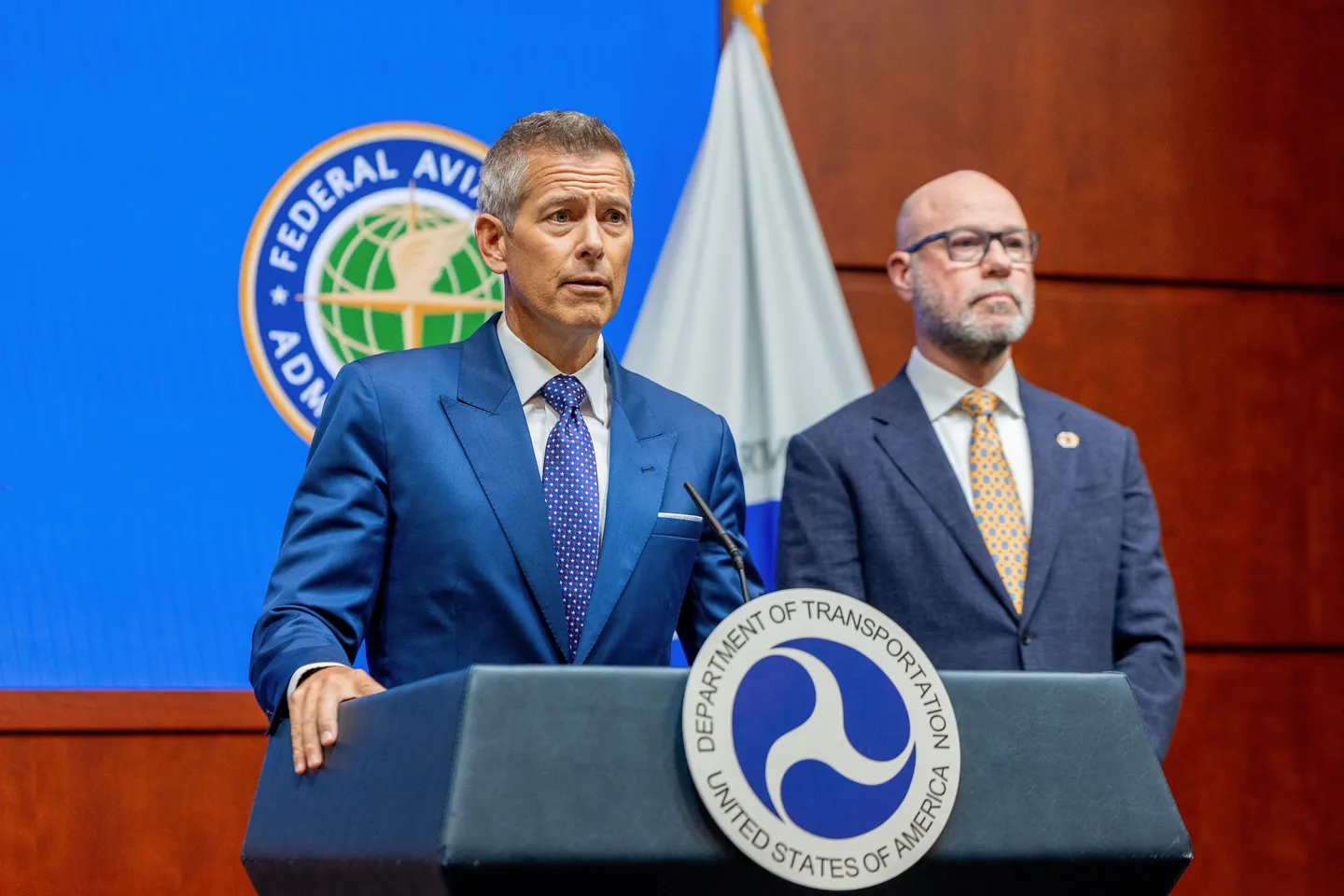
"There is going to be a 10% reduction in capacity at 40 of our locations," Transportation Secretary Sean Duffy told reporters at a news conference on Wednesday.
Federal Aviation Administration (FAA) chief Bryan Bedford said the move will affect "40 high-traffic environment markets" and is intended to maintain safety amid an unprecedented shortage of air traffic controllers.
"We can’t ignore it," Bedford said, warning that if conditions worsen, "we’ll come back and take additional measures."
Air traffic controllers have been working unpaid since the shutdown began on October 1.
Increasing numbers have called out of work in recent days, prompting widespread delays at airports across the US.
The FAA said the reduction will impact thousands of flights, as the agency typically directs more than 44,000 flights daily.
Longest-ever shutdown







Duffy and Bedford said they would meet with airline executives later on Wednesday to coordinate how to implement the cuts safely, declining to name the affected markets until a full list is released on Thursday.
Most controllers have continued to work mandatory overtime six days a week during the shutdown, leaving them little opportunity to seek side jobs to cover bills and expenses.
The FAA said staffing issues have now been reported in at least 39 air traffic control facilities — well above pre-shutdown averages.
Major airlines, aviation unions and the broader travel industry have called on Congress to end the shutdown, warning of growing risks to both safety and the economy.
Duffy said the decision to reduce flights was proactive, citing lessons from a deadly mid-air collision in January near Washington, DC.
"We learned from that," he said.
"Before it would become an issue, we try to assess the pressure and make moves before there could be adverse consequences. That’s what’s happening here today."
The shutdown is now the longest in US history, surpassing the previous record on Tuesday night.
The Senate isn't expected to vote on the House's measure to reopen the government, having failed to advance for the 14th time on Tuesday.