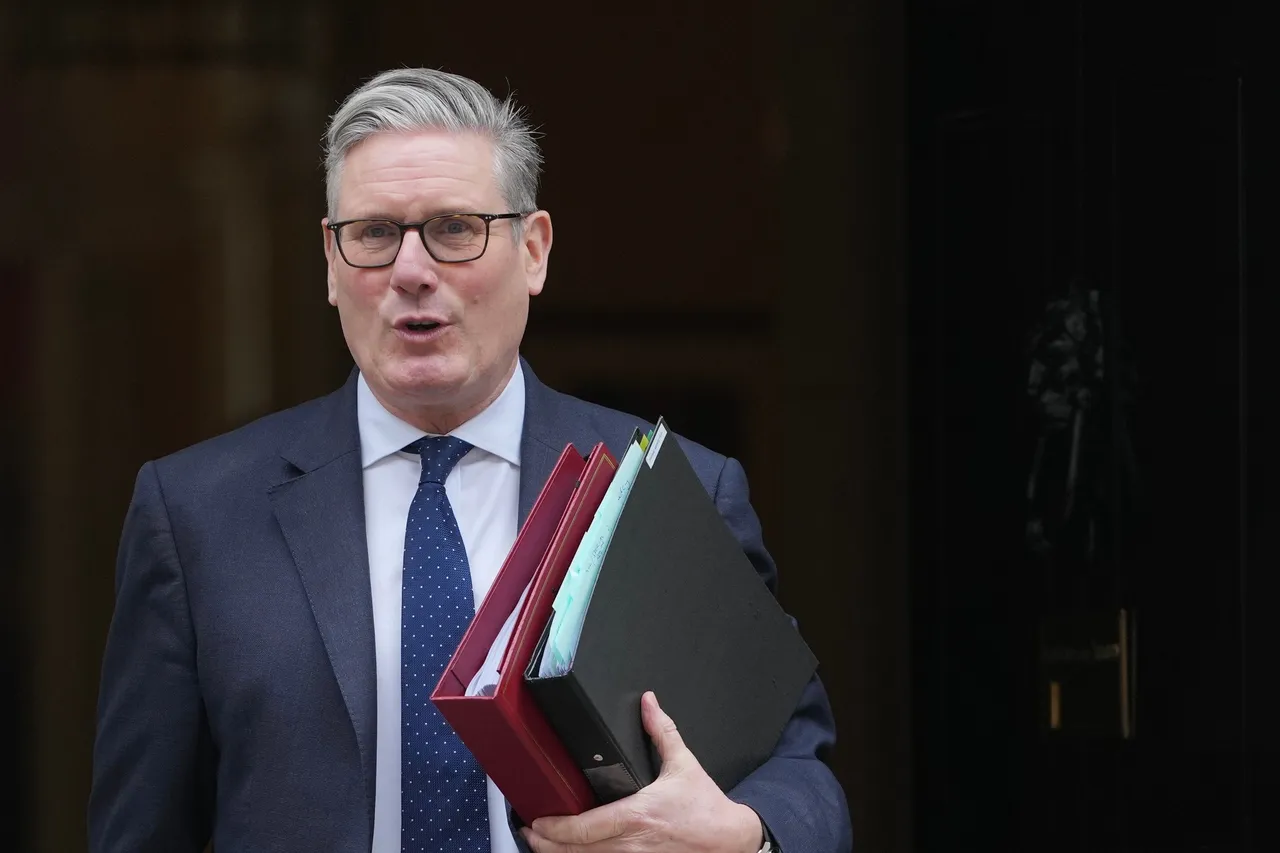
British Prime Minister Keir Starmer’s decision to allow the US to use British bases for what he described as “defensive” strikes against Iran has triggered political criticism, diplomatic friction with Washington and renewed debate in the UK over the legacy of Iraq.
Starmer initially refused to allow the United States to use British bases for the first wave of joint US-Israeli strikes on Iran, arguing that Britain does not support “regime change from the skies.”
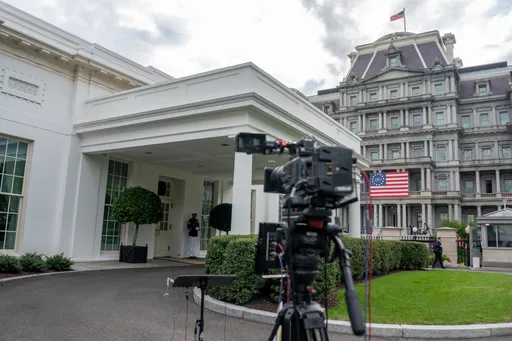
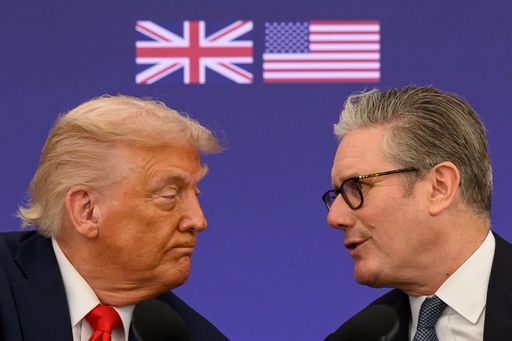
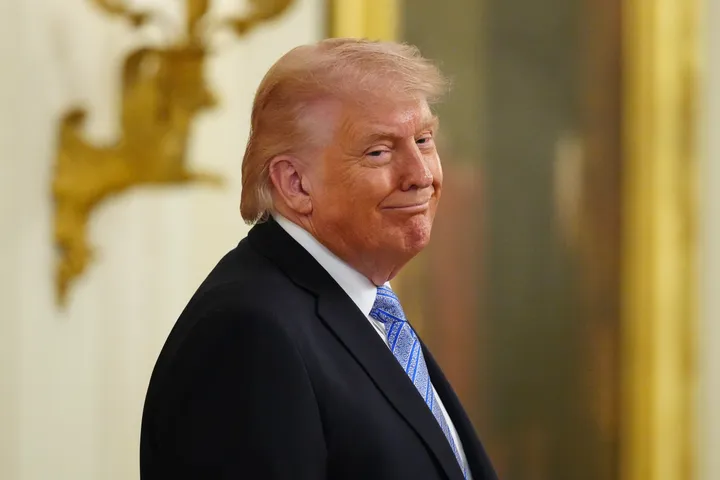
The dispute intensified after US President Donald Trump accused Britain of being “very, very uncooperative,” adding that Starmer was “not Winston Churchill.”
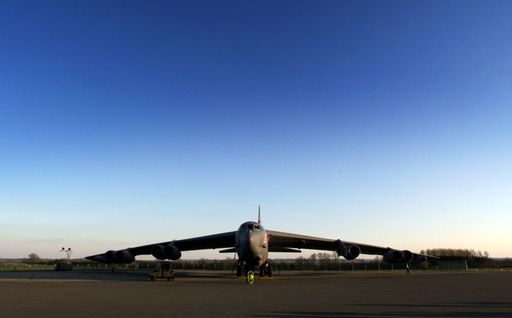
But after Iranian retaliatory missile and drone attacks across the region, including incidents affecting British forces, he approved the limited use of the bases for what he described as defensive operations.
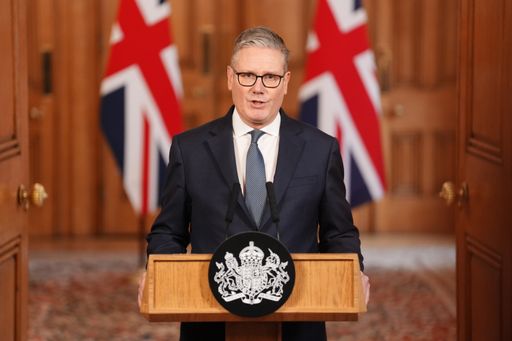
Speaking in the House of Commons, Starmer defended the move as rooted in both legal and strategic considerations.
“It is my duty to judge what is in Britain’s national interest,” he told lawmakers, adding that any action must have “a lawful basis” and a “viable thought-through plan.”
A ‘middle ground’ under strain
Security analysts say the government is trying to maintain a narrow path between alliance obligations and domestic political constraints.
Neil Melvin of the Royal United Services Institute said Britain’s position reflects a broader European struggle to reconcile international law with geopolitical realities.
“Much of the European initial response was that international law should be upheld,” Melvin said, noting that Starmer initially argued it would be illegal for the UK to allow US strikes from its bases.
But developments on the ground have complicated that stance.
“The reality of international politics and the overwhelming power of the US to change the situation” has forced governments to adjust, Melvin said, describing Britain as attempting to occupy a difficult “middle ground.”
As the conflict evolves, he warned, the contradictions in Europe’s position may become increasingly visible.
Limited scope and significant constraints
Anthony Dworkin of the European Council on Foreign Relations argues that the British decision is more restrictive than critics suggest.
Access to British bases, he said, is limited to defensive targets — specifically Iranian facilities being used to launch attacks against regional partners that were not previously part of the conflict.
That means the US cannot use British territory to strike a broad set of targets inside Iran, including buildings belonging to the Iranian Revolutionary Guard Corps, missile production sites or nuclear facilities.

Those restrictions are “as significant as the decision to let them use the bases at all,” Dworkin said, particularly given pressure from Trump.
He also noted that Starmer is operating under the political shadow of former Prime Minister Tony Blair, whose support for the US-led invasion of Iraq remains deeply controversial within the Labour Party.
“In this way, Starmer has been consistent and taken a stronger stand against the US than he has done up to now as prime minister,” Dworkin said.
War-weary public
Analysts say domestic opinion also constrains how far Britain can go.
Aymenn Jawad Al-Tamimi, a British-Iraqi researcher, described the government’s decision less as a strategic shift and more as a “reactive measure” aimed at protecting British assets in the region.
However, he cautioned that Tehran and its allied groups may still view Britain as enabling US and Israeli action regardless of the limits placed on base access.
Among the British public, he added, there is “extreme weariness” about another Middle Eastern conflict — particularly one framed around regime change.
That sentiment helps explain why Starmer has repeatedly stressed that Britain will not take part in a campaign to topple Iran’s leadership.
Political pressure at home and abroad
The balancing act is generating criticism from multiple directions in British politics.
Conservative leader Kemi Badenoch has accused Starmer of hiding behind legal arguments while hesitating to act more forcefully.
Meanwhile, Ed Davey, leader of the Liberal Democrats (UK), warned the move could place Britain on a “slippery slope” towards another prolonged war in the Middle East.
Zack Polanski of the Green Party of England and Wales went further, accusing the government of “dragging the UK into another illegal war.”
Outside Westminster, civil society organisations have also condemned the strikes. The United Nations Association‑UK argued the offensive risks undermining the UN Charter and escalating instability in the region.
The Campaign Against Arms Trade warned that allowing access to British bases could entangle the country in another war, while the Stop the War Coalition has called for protests and urged the government to refuse any role in the conflict.