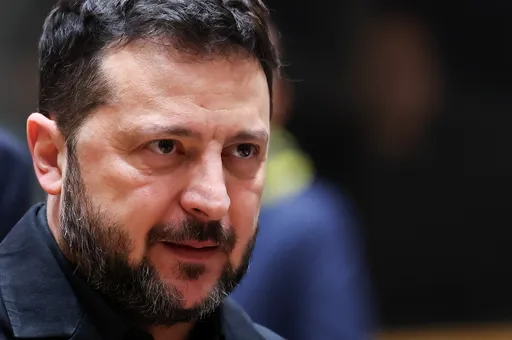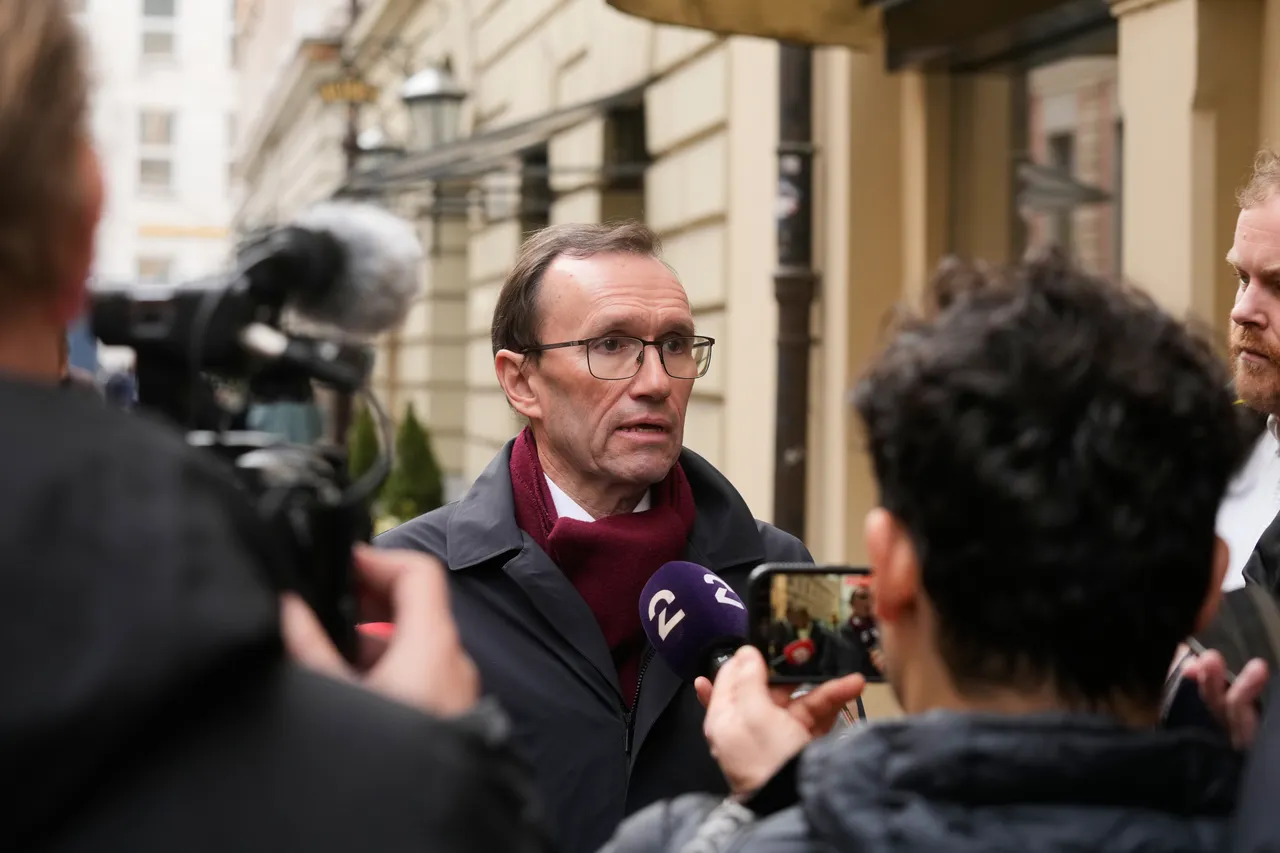
Norwegian Foreign Minister Espen Barth Eide warned on Wednesday that Western governments must not allow the expanding Middle East conflict to divert attention and resources away from Ukraine’s war against Russia.
Speaking to Polish public television's TVP World, Eide said the outcome of the Ukraine war would shape Europe’s future security order, and he warned against any settlement that resembled the power politics of the Yalta Conference, when major powers divided Europe into spheres of influence at the end of the Second World War.
"The number one issue for us is Ukraine," Eide said, adding that any eventual settlement should have "nothing in it that suggests to President Putin and Russia that this was a useful intervention."
Eide said he had just attended a meeting of countries he described as Ukraine's "very best friends," referring to Poland, Germany, the Nordic states and the Baltic countries, whose foreign ministers are in Warsaw for an informal ministerial meeting of the Organisation for Security and Co-operation in Europe (OSCE) on Wednesday.
He said the talks focused on coordinating military and political support for Kiev, as well as discussing the shape of Europe’s post-war security architecture.
According to Eide, Western allies must ensure that Moscow cannot block sovereign countries from joining institutions such as NATO or the EU.
“The next era in Europe will be decided at the end of the war, not after the war,” he said.
Ukraine’s partners have been debating what long-term security guarantees might look like if the war eventually ends in a ceasefire. Proposals have included binding commitments by Western states and mechanisms to respond if Russia violates any future agreement.
“If Russia were to come out of this war believing that aggression pays,” he said, “that would be a very dangerous signal for the future of European security.”
Asked about the possibility of Western troops in Ukraine, Eide said discussions focus primarily on a potential post-ceasefire phase rather than direct involvement during active fighting.
“Allies have tried to avoid becoming participants in the war itself,” he said.
Russia has repeatedly warned that any foreign military force stationed in Ukraine may be treated as a legitimate military target.
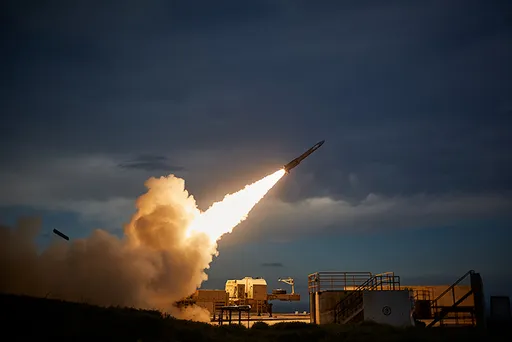
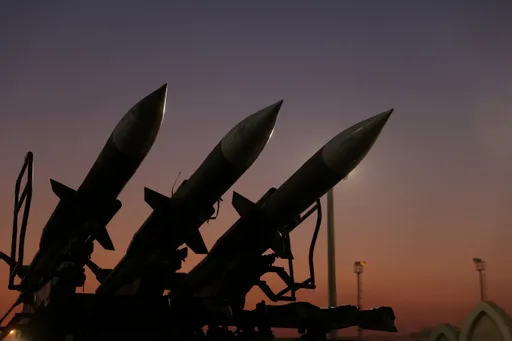
Eide also acknowledged that rising Middle Eastern tensions could have an impact on Ukraine's military equipment supply. Some air defence systems and advanced weapons currently deployed in the Gulf, he claims, could have been used to assist Kiev.
Western stockpiles of munitions remain limited after more than two years of large-scale aid to Ukraine, and analysts have warned that escalating crises elsewhere could stretch resources further.
Despite the risks, Eide said he does not believe Russia currently poses an immediate military threat to the Baltic states while its forces remain heavily engaged in Ukraine.