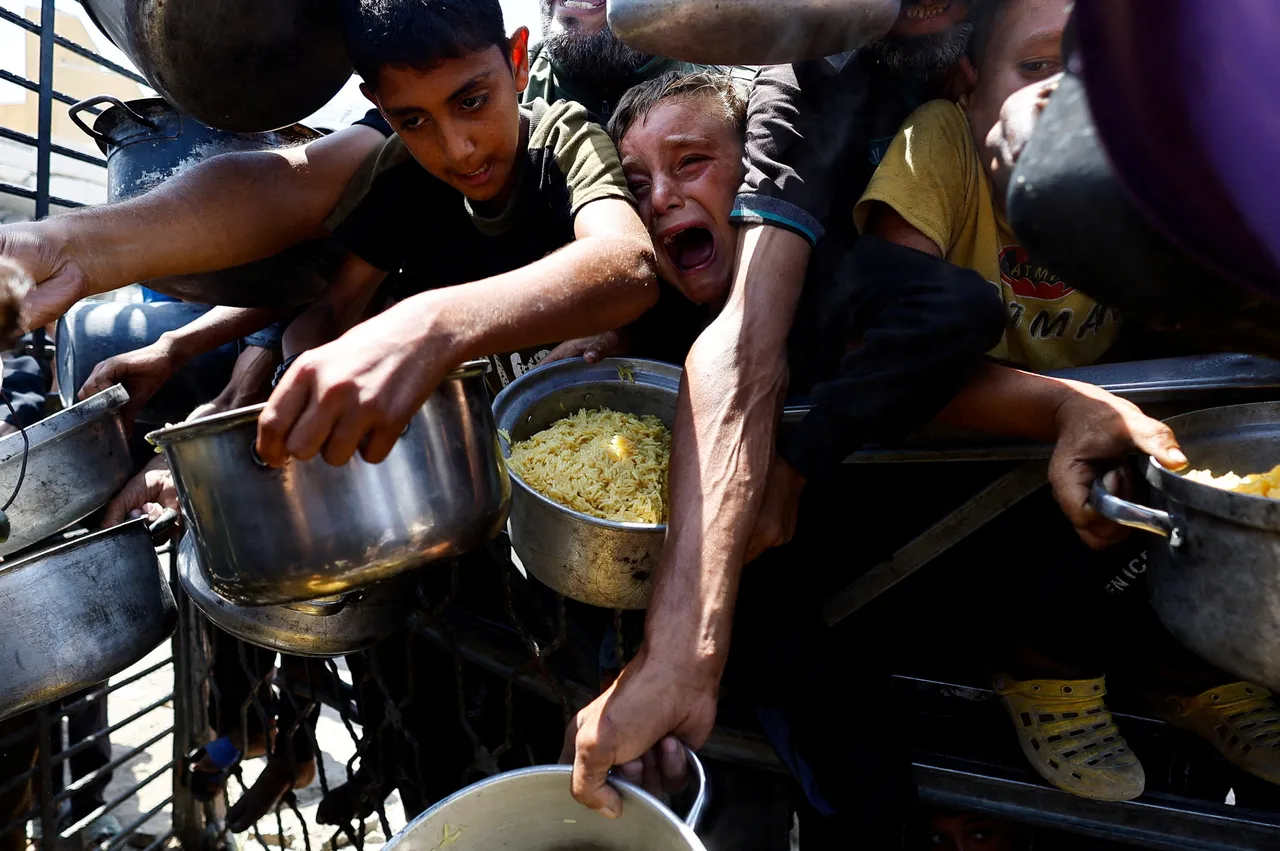
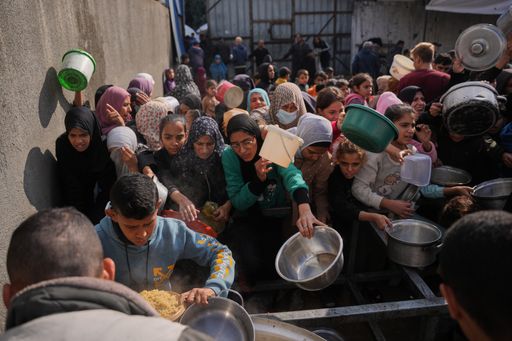
Access to food in Gaza has improved significantly since the October 10 ceasefire deal, but civilians continue to endure extremely harsh living conditions across the besieged Palestinian enclave, the World Food Programme said.
"It’s quite important that from the World Food Program, I can confirm to you that food access has actually significantly improved," Antoine Renard, the WFP’s representative for Palestine, told a virtual news conference.
Renard said the agency’s operations were now fully functional on the ground.
"As we speak, all our distribution networks for the World Food Program are actually up and running," he said.
He added that the organisation has "managed to reach more than one million people with direct food boxes and wheat flour."
‘Access to food itself is not enough’
While updated Integrated Food Security Phase Classification findings are expected to be released soon, Renard said conditions had already shifted.
"I can confirm to you that people are having, on average, two meals per day, which is very different," he said.






Despite these gains, Renard stressed that "access to food itself is not enough."
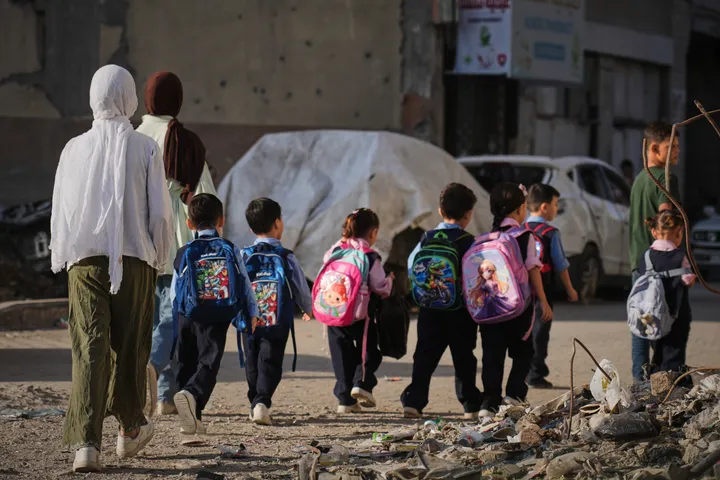
"The living conditions continue to be very dire in the Gaza Strip," he said, highlighting the lack of safe cooking infrastructure.
"There are still, as we speak, practically 90 percent of the cooking facilities that are only trash and wood."
Renard shared an account from the field, saying a woman he met earlier in the day told him she had lost her sister while collecting wood near the so-called yellow line.
The yellow line is the first withdrawal line outlined in the initial phase of the ceasefire agreement between Israel and Hamas, separating areas still under Israeli military occupation from those where Palestinians are permitted to move.
"It is worth highlighting the fact that the situation has improved in terms of access to food, but the living conditions in Gaza remain very dire," Renard said.
Although a ceasefire took effect two months ago, living conditions have not improved significantly, as Israel continues to impose restrictions on the entry of aid trucks, violating the humanitarian protocol of the agreement.