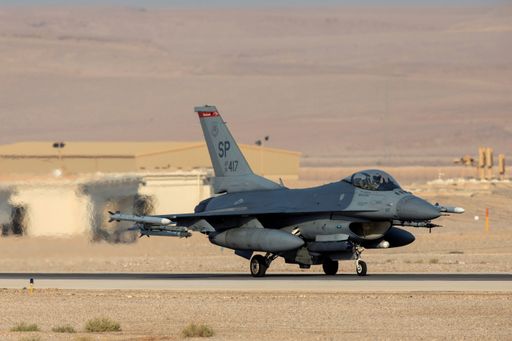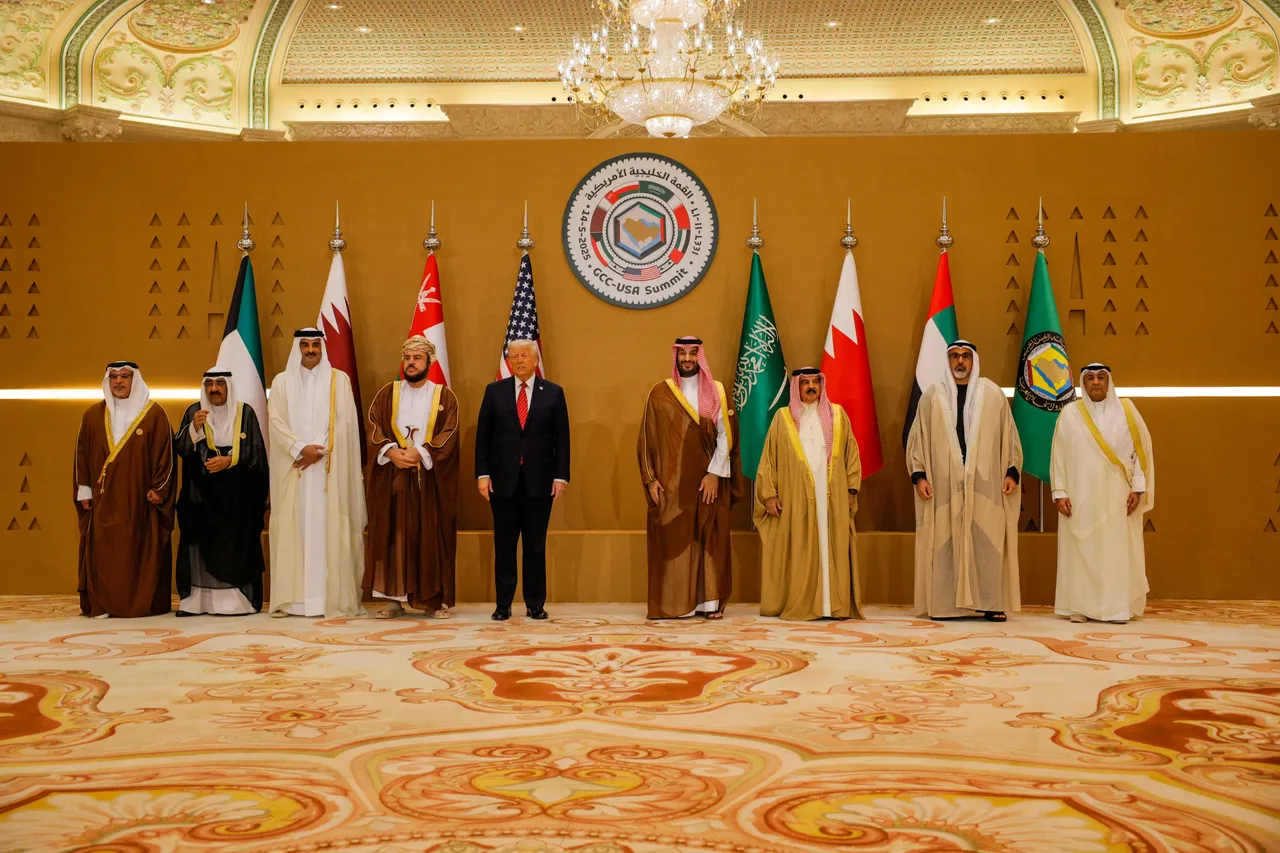
Arab states bordering the Gulf are urging the US not to launch a military strike on Iran, warning that such an intervention could trigger economic and political instability across the region, media reports said on Tuesday.
Saudi Arabia, joined by Oman and Qatar, has been privately lobbying the Trump administration after the White House warned them to prepare for possible action against Tehran, according to the Wall Street Journal.
According to Arab Gulf officials, any military effort to topple Iran’s government could severely disrupt global oil shipments through the Strait of Hormuz, which is a strategic waterway through which around 20 percent of the world’s oil supply passes.
They fear domestic blowback, economic setbacks, and potential retaliation if US forces act.
Saudi officials have reportedly told Tehran they will not participate in any conflict or allow American airspace access, aiming to distance themselves from a direct confrontation.
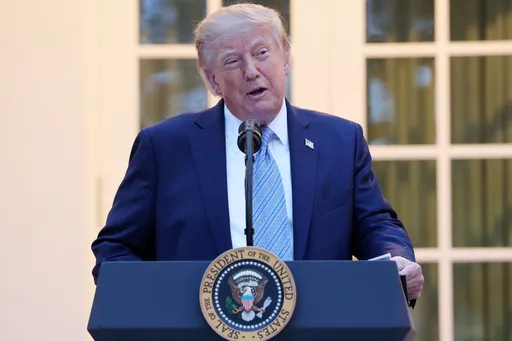
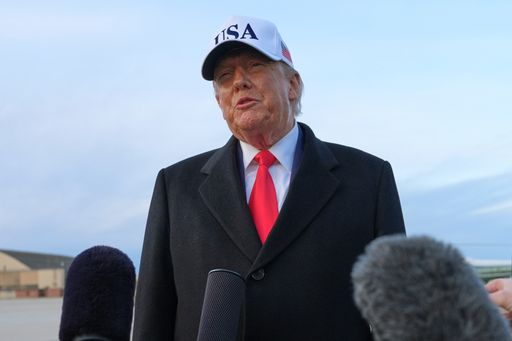
“The president listens to a host of opinions on any given issue, but ultimately makes the decision he feels is best,” a White House official said.
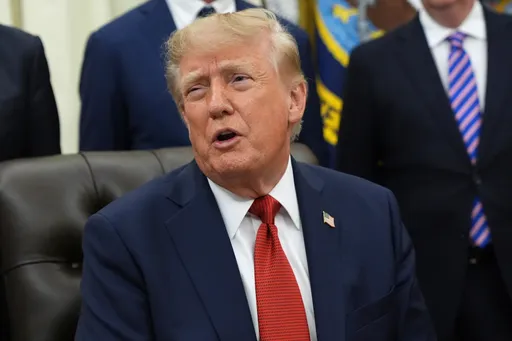
While a final decision remains pending, Trump wrote on social media on Tuesday, “Help is on its way,” urging Iranian demonstrators to stay in the streets.


Not ready for post-Khamenei Iran
Gulf leaders are concerned about the unpredictability of a post-Khamenei Iran, including the possibility of power shifting to the Islamic Revolutionary Guard Corps (IRGC) or resulting in regional chaos.
“They have no love for the Iranian regime,” said former US Ambassador Michael Ratney, “but they also have a great aversion to instability.”
Saudi Arabia, focused on its Vision 2030 plan to diversify its economy, views regional calm as essential.
Analysts suggest the Gulf's preferred outcome would be domestic reforms in Iran rather than government collapse.
Iran has been rocked by waves of protests since last month, starting December 28 at Tehran’s Grand Bazaar, over the sharp depreciation of the Iranian rial and worsening economic conditions. Demonstrations later spread to several other cities.
Government officials have accused the US and Israel of backing the "riots" and "terrorism."