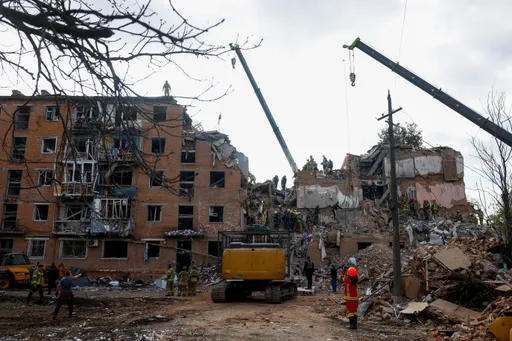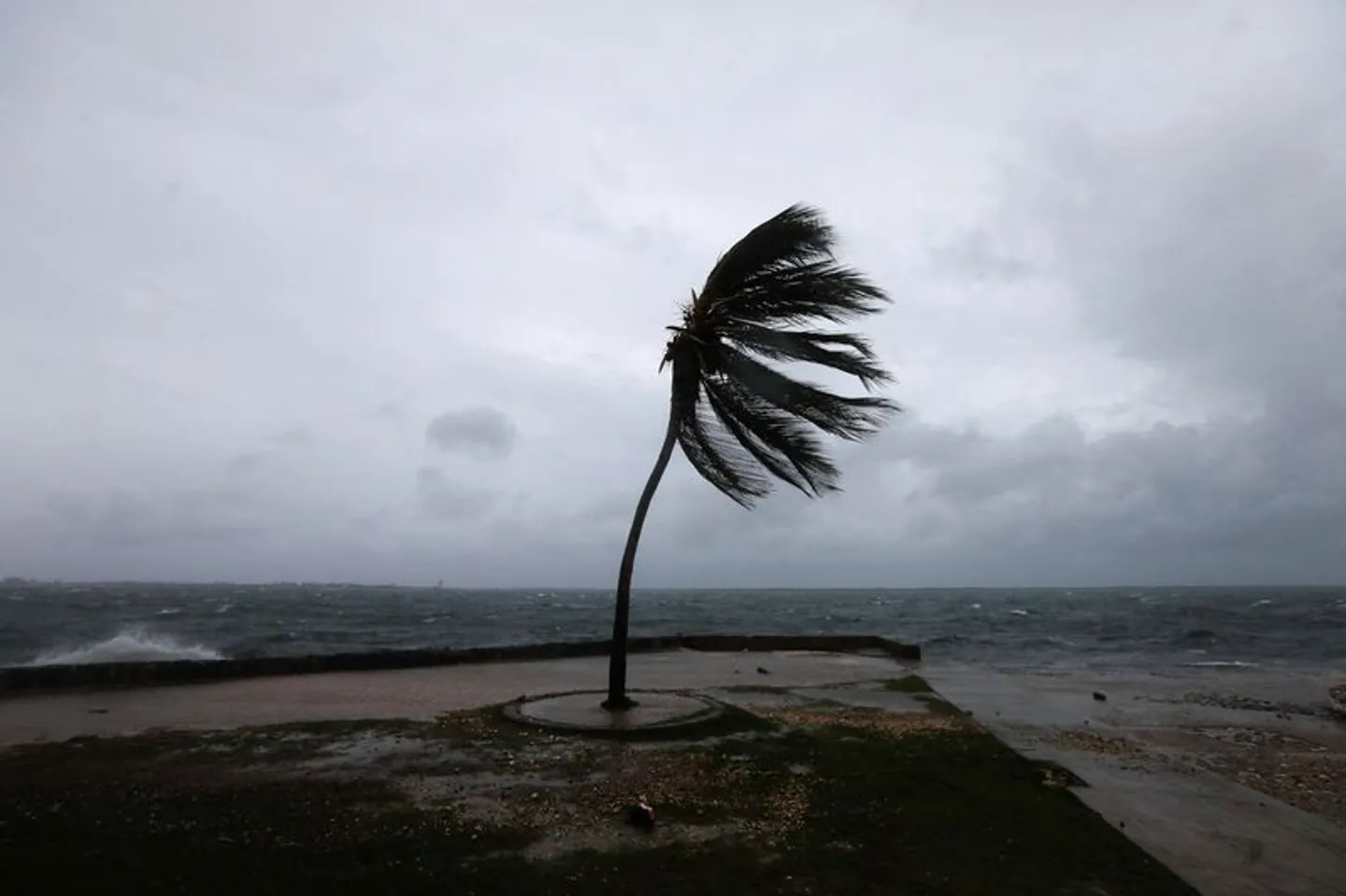
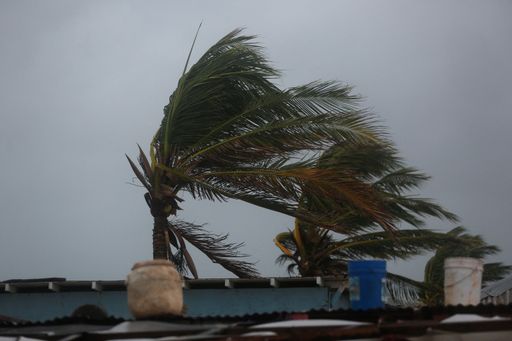
The World Meteorological Organization (WMO) warned on Tuesday of catastrophic conditions in Jamaica as Hurricane Melissa makes landfall, bringing winds gusts exceeding 300 kilometres per hour, flash floods, and landslides, marking the worst storm to hit the island this century.
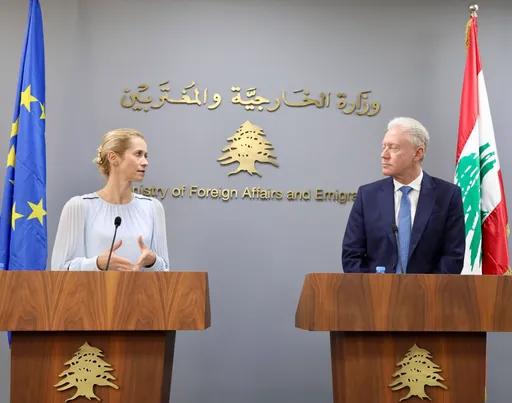
"It’s a catastrophic situation expected in Jamaica," WMO tropical cyclone specialist Anne-Claire Fontan said at a Geneva press briefing. "For Jamaica, it will be the storm of the century for sure."
She said that storm surges of up to four meters were expected during the day and that rainfall was set to exceed 70 centimetres or about twice the amount expected normal the entire rainy season. "It means there will be catastrophic flash flooding and landslides," she said.
The International Federation of the Red Cross (IFRC) is bracing for up to 1.5 million people in Jamaica to be directly affected by the storm.
"Today will be very difficult for tens of thousands, if not millions of people in Jamaica," IFRC's Necephor Mghendi said via video link from Port of Spain. "Roofs will be tested, floodwaters will rise, isolation will become a harsh reality for many."
Over 800 shelters have been set up for evacuees from the worst-hit areas, he added. "The main priority was to get people out of harm’s way to reduce the number of casualties."
PM warns of massive devastation
Ahead of Hurricane Melissa's expected landfall on Tuesday, Jamaican officials urged the public to get to higher ground and shelters, with Prime Minister Andrew Holness warning it could bring massive devastation.
The Category 5 storm, which could be the island's most violent on record, is charting a painstakingly slow path through the Caribbean, and has already been blamed for three deaths in Jamaica, three deaths in Haiti and one in the Dominican Republic.
Its heavy rains combined with intense winds could wreak devastation on par with historic hurricanes, including 2017's Maria or 2005's Katrina, which left indelible impacts on Puerto Rico and the US city of New Orleans.
Scientists say climate crisis is causing such massive storms to become increasingly common in the region.
Local government minister Desmond McKenzie said on Monday evening that of the island's 880-odd shelters standing by, only 133 were hosting locals.
They "should be seeing people now", McKenzie said, adding: "I want to urge persons in these parishes to get to high ground as quickly as possible."






‘There could be significant dislocation’
Jamaican Prime Minister Andrew Holness said the island's western end faced the worst destruction.
"I don't believe there is any infrastructure within this region that could withstand a Category 5 storm, so there could be significant dislocation," he told CNN.
But despite pleas to evacuate, many Jamaican residents were staying put.
"I am not moving. I don't believe I can run from death," Roy Brown told AFP in Kingston's seaside area of Port Royal.
The plumber and tiler said he was reluctant to flee because of his past experiences with the poor conditions of government hurricane shelters.
Fisherwoman Jennifer Ramdial agreed, adding: "I just don't want to leave."
Holness told a press briefing that the evacuation was about "the national good of saving lives."
"You have been warned. It's now up to you to use that information to make the right decision," he said.
Meteorologist Kerry Emanuel said global warming was causing more storms to rapidly intensify as Melissa did, raising the potential for enormous rains.
"Water kills a lot more people than wind," he told AFP.
The last major hurricane to impact Jamaica was Beryl in July 2024, an abnormally strong storm for the time of year.